Sugar, Bacteria and Acid
Oral bacteria ferment sugars and refined carbs into acid, which dissolves enamel minerals during repeated daily acid attacks.


Conditions We Treat
Protect Your Smile From Decay
Recognizing the Signs
Cavities and tooth decay in East Ellijay, GA are among the most common dental conditions we treat, affecting children, adults and seniors at every life stage. A cavity is a small hole in the tooth caused by progressive demineralization of enamel, the hard outer surface that protects the inner layers of your tooth.
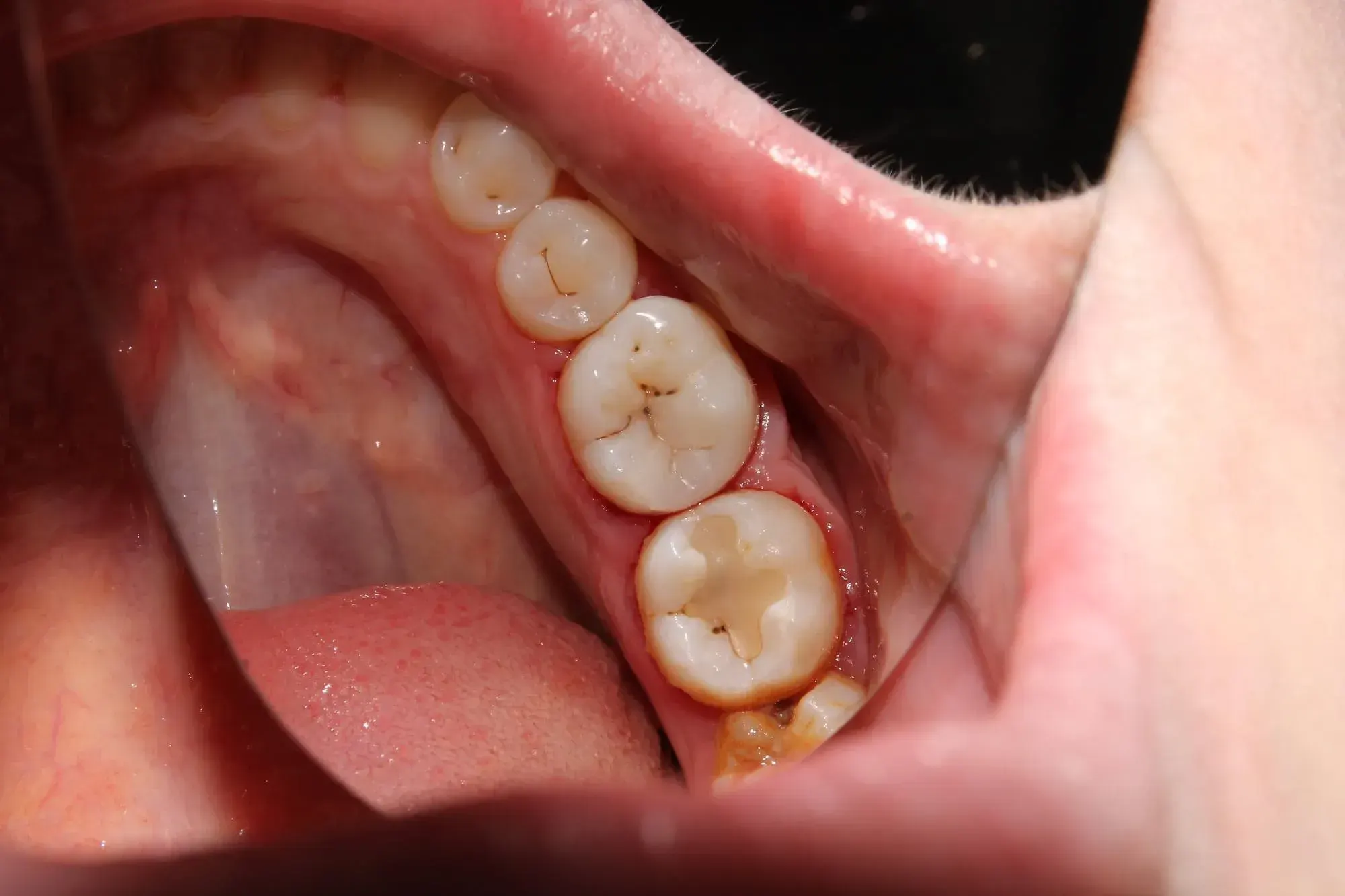
When you notice a dark spot, feel a sharp twinge with cold or sweet foods, or catch food trapping in the same area each meal, you are often experiencing the early signals of decay. Many patients tell us a tooth simply does not feel right before any visible change appears.
Our family practice serves patients across East Ellijay, Ellijay, Blue Ridge and Jasper, providing comfortable detection, minimally invasive treatment and clear answers so you can stop decay before it spreads.
Understanding the Root Causes
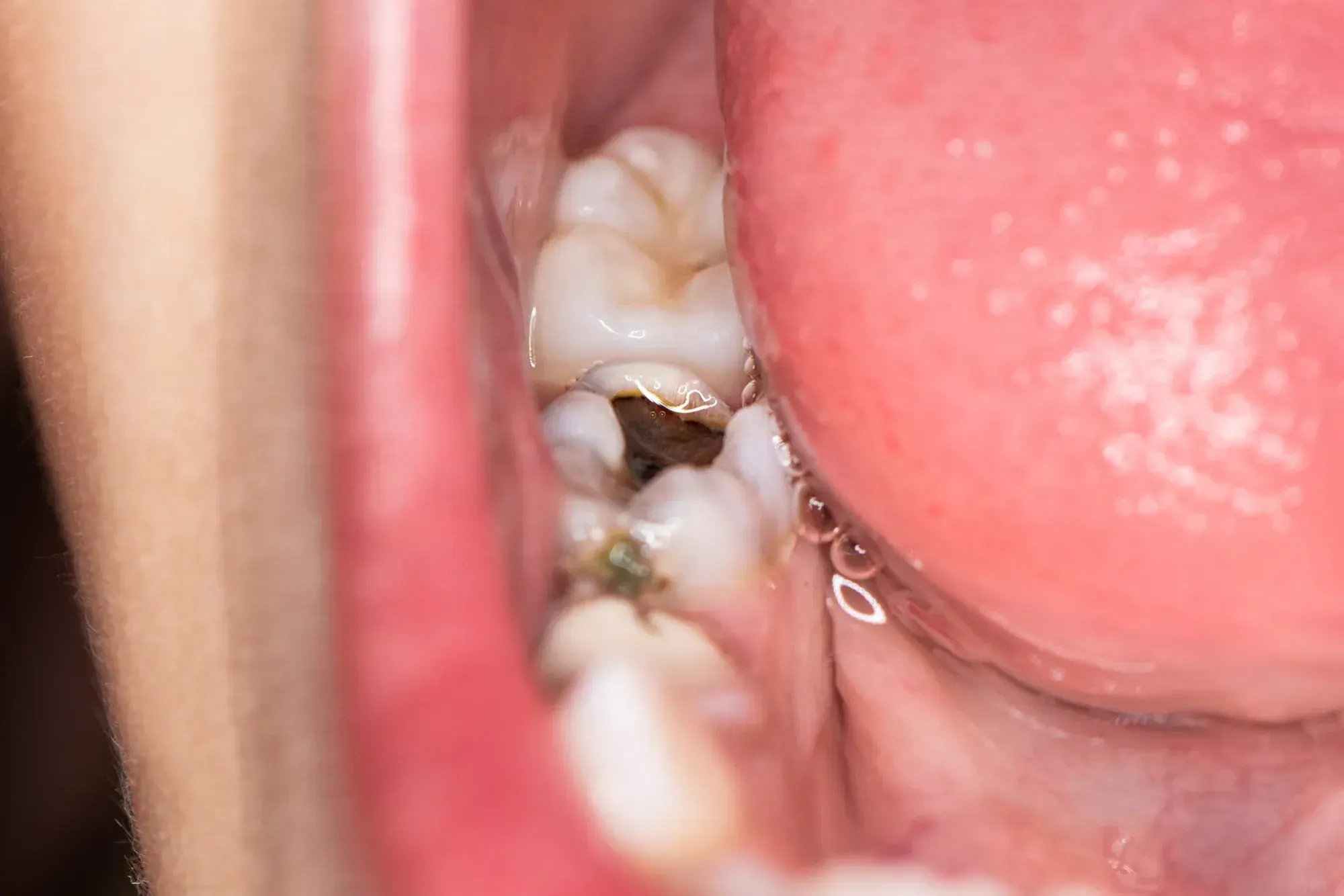
Tooth decay is a bacterial process. Specific oral bacteria, primarily Streptococcus mutans, feed on sugars and fermentable carbohydrates left on the teeth and produce acids as a byproduct. These acids lower the pH at the tooth surface and dissolve calcium and phosphate from enamel, a process called demineralization. With every snack or sugary drink, the mouth can spend 20 to 40 minutes in this acid-attack window.
According to the Centers for Disease Control and Prevention, more than 90 percent of adults in the United States have had a cavity in their permanent teeth, making decay the most common chronic disease across the lifespan. Saliva, fluoride and good home care normally remineralize enamel between meals, but when acid exposure becomes constant, the balance tips toward damage.
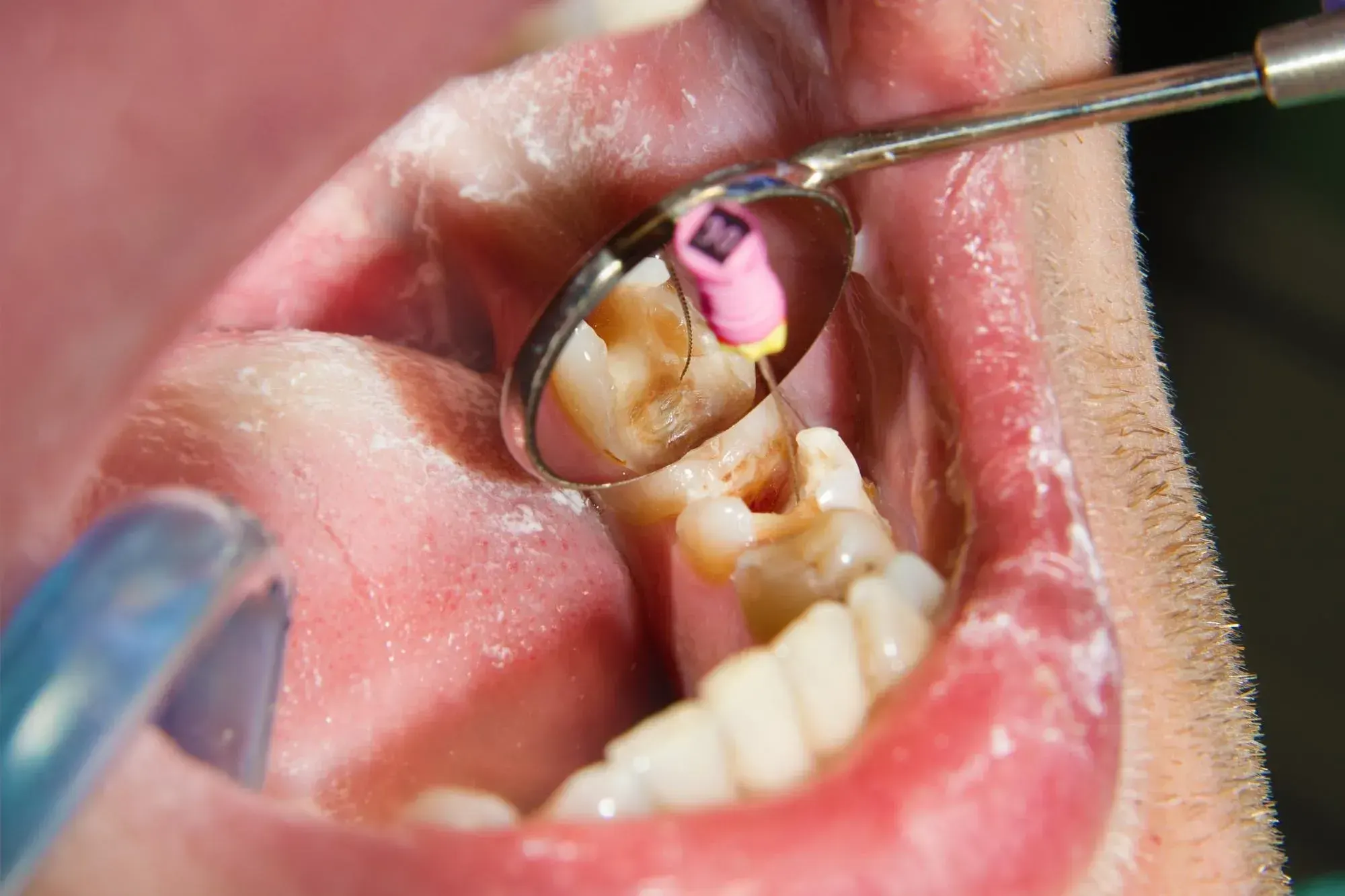
Once enamel is breached, decay moves into the softer dentin layer underneath, where it can spread quickly toward the nerve. Catching it early with regular comprehensive dental exams and digital imaging is the difference between a small filling and a much larger restoration.

How a Cavity Forms Layer by Layer
Enamel is the most highly mineralized tissue in the human body, but it is not living and cannot regenerate. Once a true cavitation forms through the enamel, the body cannot rebuild that structure, which is why professional restoration is required to stop progression.
Below enamel lies dentin, a softer, more porous layer with microscopic tubules that connect to the nerve. When decay reaches dentin it spreads laterally and faster, which is the stage where sensitivity to cold, sweets or pressure usually appears. Left untreated, bacteria can reach the pulp and cause infection that may require a root canal or extraction.
Dry mouth, acidic medications, frequent grazing and reduced fluoride exposure all multiply this risk. The good news is that early enamel changes, called incipient lesions, can often be arrested with topical fluoride treatments and improved home routines before they ever need a filling.
Expert Care in East Ellijay
Finding Your Best Approach
| Treatment | Best For | Session Time | Results Timeline | Maintenance |
|---|---|---|---|---|
| Fluoride Treatments | Early enamel weakness | 5 to 10 minutes | Immediate strengthening | Every 6 months |
| Dental Sealants | Deep grooves in molars | 15 to 30 minutes | Same-day protection | Check yearly |
| Tooth-Colored Fillings | Small to moderate cavities | 30 to 60 minutes | Same-day restoration | Check yearly |
| Dental Crowns | Large decay or weakened teeth | Two visits | Two to three weeks | Check yearly |

Recognizing When to Seek Help
Explore the prevention and restorative services that address tooth decay.
About Cavities and Tooth Decay
Common signs include a visible dark spot, sensitivity to sweets or cold, food trapping in the same area, or a dull ache in a specific tooth. Many early cavities cause no symptoms at all, which is why routine exams and digital X-rays at our East Ellijay office are the most reliable way to catch them.
Very early enamel demineralization, sometimes called a white spot lesion, can sometimes be remineralized with professional fluoride, improved brushing and reduced sugar intake. Once a true cavitation forms through the enamel, the tooth cannot rebuild itself and a filling or other restoration is needed to stop the decay.
Most cavities are treated with a tooth-colored filling, where your dentist gently removes the decayed area and replaces it with a durable composite resin that blends with your natural tooth. Larger cavities may need a dental crown, and decay that has reached the nerve may require a root canal followed by a crown.
Modern fillings are very comfortable. We use topical numbing gel followed by a gentle local anesthetic so the area is fully numb before treatment begins. Most patients feel only a little pressure and are surprised at how quick and easy the appointment is.
Brush twice a day with fluoride toothpaste, floss daily, limit sugary drinks and frequent snacking, and drink plenty of water. Pair that routine with professional cleanings and exams every six months so we can catch any early changes before they grow.
Yes. Untreated decay in primary teeth can cause pain, infection and damage to the developing permanent tooth underneath. Our family practice sees children and adults together, and we often recommend sealants and fluoride for kids with deep molar grooves.