Single Missing Tooth
Replaces one tooth using crowns on neighboring teeth


Restorative Dentistry
Fixed tooth replacement to restore your smile and bite.

Closing the Gap
Losing a tooth changes more than your smile. Chewing shifts to the opposite side of your mouth, neighboring teeth begin tilting into the empty space, and the opposing tooth above or below can over-erupt. Many patients notice food traps, speech changes, jaw soreness, and a sunken look in the cheek over time. Even one missing tooth can lead to bite collapse, accelerated wear on remaining teeth, and bone loss in the jaw, which makes future treatment more complicated and more costly.
Dental bridges restore the function and appearance of your smile by permanently filling the gap with a custom-crafted prosthetic tooth supported by adjacent teeth or implants. Once cemented, a bridge looks and feels like part of your natural bite. You can eat, speak, and smile with confidence, and the surrounding teeth stay anchored in their proper positions. Modern porcelain and zirconia materials match the translucency of natural enamel, so most people will never notice you have a bridge at all.
The Science of Fixed Tooth Replacement
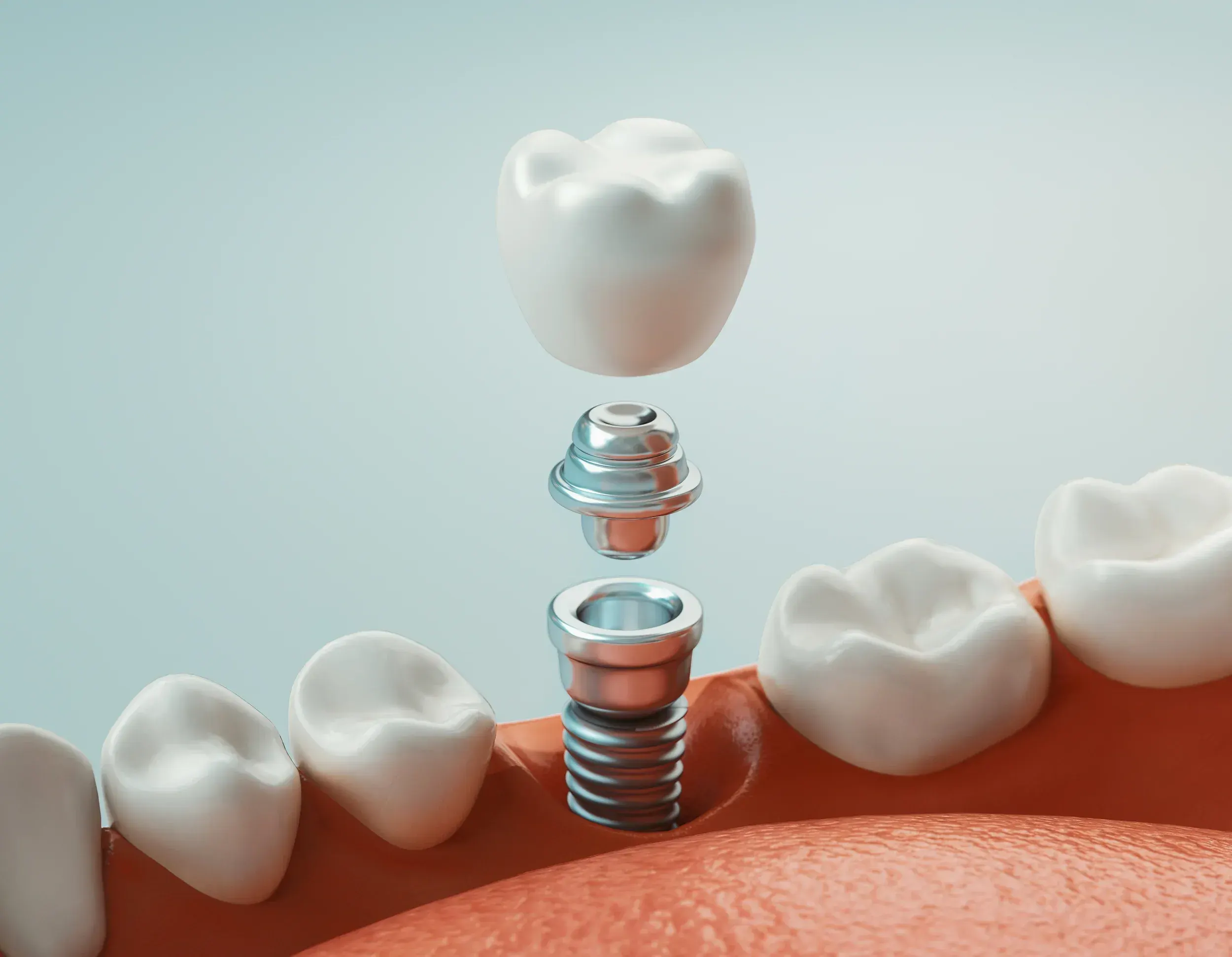
A dental bridge is a fixed (non-removable) restoration that uses one or more artificial teeth (pontics) anchored to neighboring teeth or implants (abutments) to replace missing teeth. According to the American Dental Association, bridges are a well-established option for restoring chewing, speech, and facial structure after tooth loss.
The adjacent abutment teeth are gently reshaped to receive crowns that anchor the bridge. A pontic spans the gap and is fused to those crowns as a single unit. The whole structure is then bonded in place with permanent cement. We offer three bridge designs at our Ellijay practice: traditional bridges (crowns on both sides of the gap), cantilever bridges (anchored on only one side, used in specific low-load areas), and Maryland-bonded bridges (a conservative option that uses thin metal or porcelain wings instead of full crowns). Your dentist will recommend the design that best protects your remaining teeth and bite.
The first visit involves preparing the abutment teeth and capturing 3D digital impressions, which are sent to our partner lab for fabrication. You wear a temporary bridge for one to two weeks while the permanent restoration is crafted. At the second visit, the temporary is removed, the fit and shade of the final bridge are verified, and the bridge is cemented into place.
You leave with a fully restored bite the day the permanent bridge is cemented. Most well-maintained bridges last 10 to 15 years, and some last longer with excellent home care and regular teeth cleanings.
Eat on both sides comfortably without shifting your bite
Porcelain pontics match the shade and shape of natural teeth
Cemented in place, no removal required for cleaning
Complete in two visits over one to two weeks
Prevents neighboring teeth from drifting into the gap
Often covered around 50 percent by Delta Dental plans
Compare Your Options
| Treatment | Mechanism | Time | Results | Duration | Downtime | Best For |
|---|---|---|---|---|---|---|
| Dental Bridges | Pontic anchored to crowns | 2 visits | Fixed, natural | 10 to 15 years | Minimal | 1 to 3 adjacent missing teeth |
| Dental Implants | Titanium post in bone | 3 to 6 months | Fixed, lifelike | 20 plus years | Surgical site | Preserving bone, single or multiple gaps |
| Partial Dentures | Removable acrylic and metal | 2 to 4 visits | Removable | 5 to 10 years | Adjustment period | Multiple non-adjacent gaps |
| Dental Crown | Single tooth cap | 2 visits | Fixed, natural | 10 to 15 years | Minimal | Damaged tooth still present |
Dental Bridges | East Ellijay, GA
Dental Bridges | East Ellijay, GA
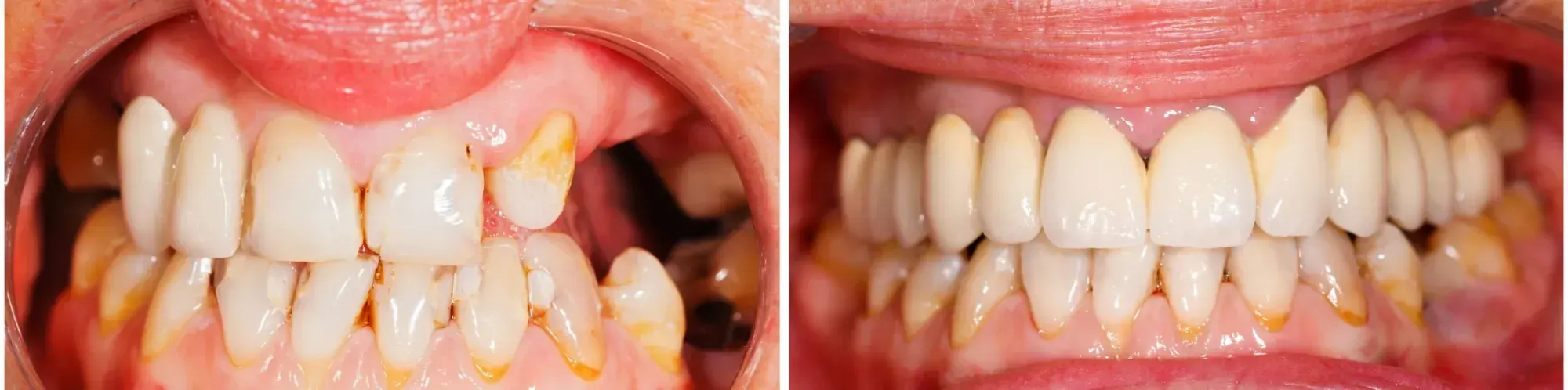
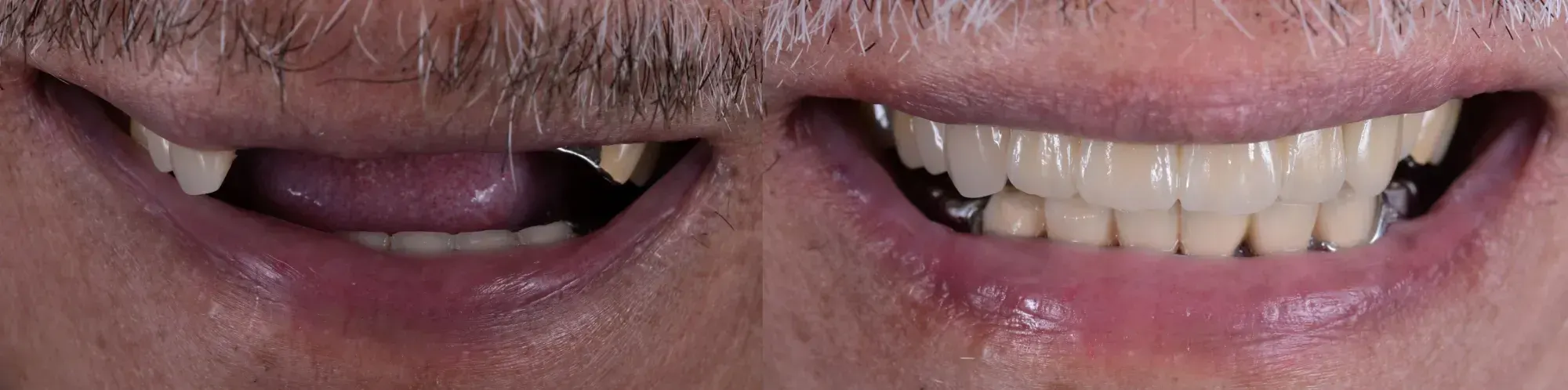
Most patients see an immediate change in their smile the day the final bridge is cemented, with chewing function restored within the first few meals. As your tongue and cheek muscles adjust over the first one to two weeks, the bridge feels increasingly like part of your natural bite. Individual results may vary based on remaining tooth health, bone support, and home care habits.
View All
Finding Your Best Restoration
Dental bridges work best for patients with one to three missing teeth in a row who have healthy, strong neighboring teeth to serve as abutments. According to the National Institute of Dental and Craniofacial Research, replacing missing teeth promptly helps preserve jaw structure and bite alignment.
Your dentist will review your X-rays, gum health, and bite during your consultation to recommend the option that protects your long-term oral health. Patients with uncontrolled diabetes, certain medication regimens, or active infections may need additional treatment before bridge placement.
Your dentist reviews X-rays, gum health, and bite to confirm bridge candidacy.
The abutment teeth are gently reshaped and a 3D digital scan is captured for the lab.
A temporary bridge protects the prepared teeth for one to two weeks while the lab crafts the final restoration.
The temporary is removed, the permanent bridge is checked for fit, shade, and bite, and cemented in place.
Your dentist walks you through cleaning under the bridge with floss threaders and follow-up timing.
What to Know
Most patients experience mild gum soreness, temporary sensitivity to hot or cold, and slight bite adjustment for the first few days. These typically resolve within 3 to 7 days. Some patients notice initial difficulty pronouncing certain words, which usually resolves within the first week as the tongue adapts.
Abutment tooth decay or fracture under the bridge can occur in less than 5 percent of cases over 10 years, usually related to inadequate flossing under the pontic. Cement washout, loosening, or porcelain chipping are uncommon but possible, and are typically repairable in a single visit. Root canal therapy may rarely be needed if the nerve of a prepared abutment tooth becomes irritated.
Modern dental bridge materials, including porcelain-fused-to-metal, zirconia, and lithium disilicate, have decades of clinical evidence supporting their safety. Dr. Settel's Fellowship of the Academy of General Dentistry training and 17 years of experience help minimize risks through careful tooth preparation, accurate impressions, and conservative bite design.
In the East Ellijay and North Georgia market, a traditional three-unit dental bridge typically ranges from $2,500 to $4,500, depending on materials (porcelain-fused-to-metal, all-porcelain, or zirconia), the number of pontics, and whether any abutment teeth need additional work like a root canal or build-up. Maryland-bonded bridges generally range from $1,500 to $2,500, and cantilever bridges fall in a similar range to traditional bridges. Exact pricing will be discussed during your consultation based on your individual treatment plan.
East Ellijay Family & Cosmetic Dentistry is in-network with Delta Dental. Most Delta Dental plans cover dental bridges at approximately 50 percent of the allowed fee after deductibles, subject to your annual maximum and any waiting periods. We will verify your benefits and provide a written estimate before treatment begins so you know your out-of-pocket cost up front.
For costs not covered by insurance, we offer two financing partners to help spread payments over time.
Many patients combine Delta Dental benefits with a CareCredit or Cherry plan to make their bridge affordable without delaying treatment.
East Ellijay's Trusted Provider
Three DMD providers including Dr. Settel, FAGD, with 17 years of practice
Comfortable scans replace traditional putty trays for a precise fit
Traditional, cantilever, and Maryland-bonded matched to your case
Maximize your benefits, and CareCredit or Cherry financing available
Complement your bridge with these restorative and preventive services.
Your Questions Answered
A dental bridge is a fixed restoration that replaces one or more missing teeth by anchoring a custom prosthetic tooth (pontic) to crowns placed on the neighboring teeth or to a dental implant.
With excellent home care, regular cleanings, and a healthy bite, most dental bridges last 10 to 15 years, and many last longer. Daily flossing under the pontic is the single biggest factor in longevity.
Bridges are faster and avoid surgery, while implants preserve jawbone and do not rely on neighboring teeth. Your dentist will help you weigh both options based on your bone health, gap location, and budget.
We use local anesthesia during preparation and placement, so the procedure itself is comfortable. Mild gum tenderness for a day or two afterward is normal and usually managed with over-the-counter pain relief.
We recommend daily flossing with floss threaders or a water flosser to clean under the pontic, plus regular brushing and routine cleanings. Proper home care directly extends the lifespan of your bridge.
Yes. We match the porcelain shade and shape of your bridge to your surrounding teeth, and modern materials mimic the translucency of natural enamel so most people will never notice you have a bridge.
Active gum disease should be treated first, often with scaling and root planing, before placing a bridge. Healthy gums and bone are essential for long-term bridge success.
Most Delta Dental plans cover bridges at approximately 50 percent after deductibles, subject to your annual maximum. We verify your benefits and provide a written estimate before any treatment begins.