Cracked or Broken Teeth
Hold fractured tooth structure together and prevent further breakage
Restorative Dentistry
Durable tooth caps that restore strength and natural appearance

Understanding Tooth Damage
A cracked molar, a tooth that has had a root canal, or a tooth with a filling so large there is little healthy structure left can all feel fragile. You may notice sharp pain when biting into food, lingering sensitivity to hot or cold drinks, or a tooth that looks darkened or worn down. Many patients in Ellijay tell us they avoid chewing on one side or skip favorite foods because they fear the tooth will break. Without protection, these teeth often crack further and may eventually need extraction.
A dental crown surrounds the entire visible portion of the tooth like a snug helmet, holding the remaining structure together and distributing bite forces evenly. The team at East Ellijay Dental selects a material suited to the tooth's location and your bite, whether that is zirconia for back teeth, porcelain-fused-to-metal for strength with a tooth-colored finish, or all-ceramic for front teeth where appearance matters most. Once cemented, you can chew normally, sensitivity usually resolves, and the tooth is protected for many years.
The Science of Tooth Restoration
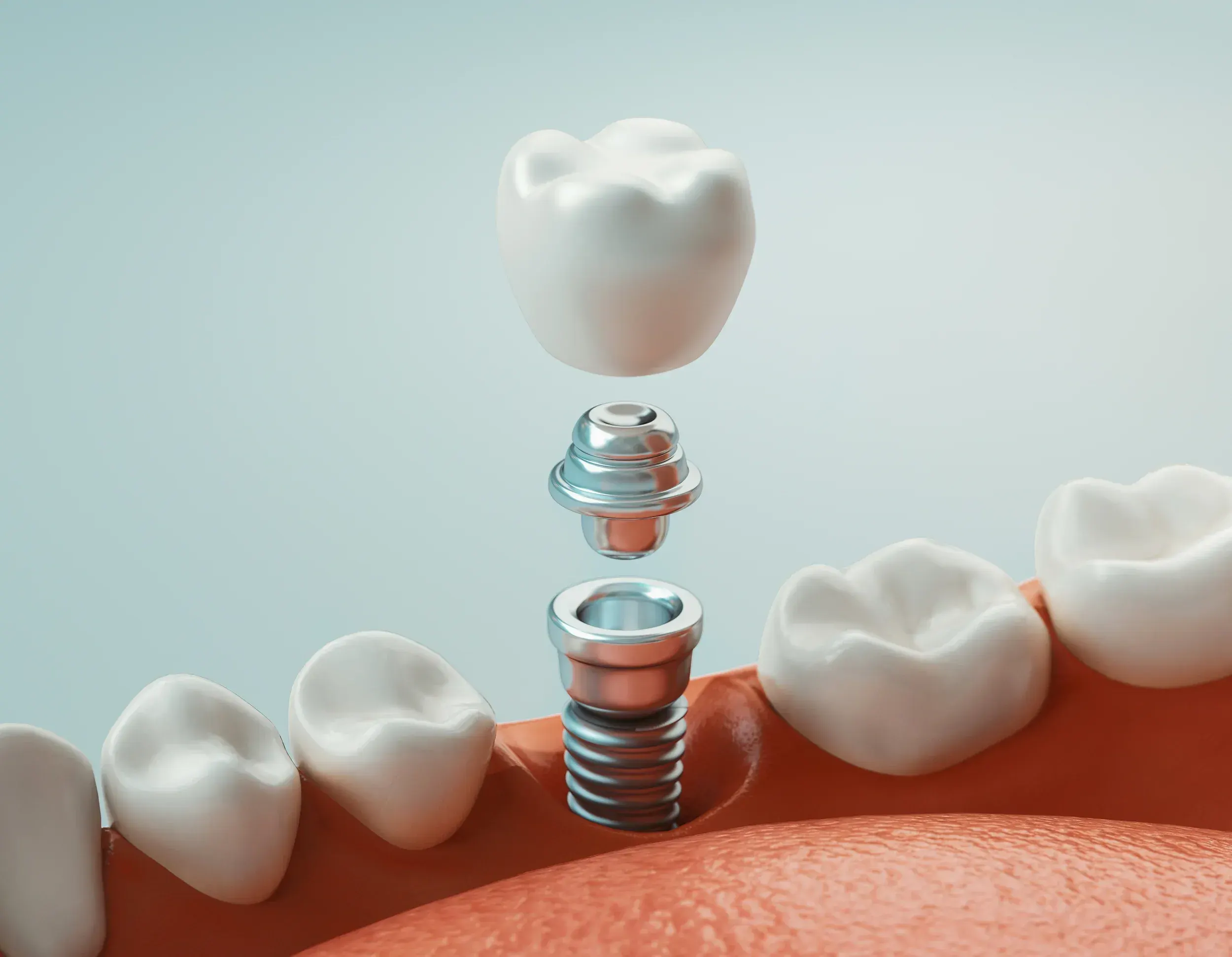
Dental crowns are custom-made caps that completely cover a prepared tooth above the gumline, restoring its strength, shape, size, and appearance. According to the American Dental Association, crowns are commonly used to protect a cracked tooth, restore a tooth after a root canal, cover a large filling, or improve the look of a discolored or misshapen tooth.
A crown acts like a structural shell, transferring chewing forces from the weakened tooth surface down through the strong root. Once the tooth is shaped and a digital scan is taken with our 3D scanner, a dental laboratory mills or layers the crown from zirconia, porcelain-fused-to-metal, or all-ceramic material. Long-term clinical studies report survival rates of roughly 90 to 95 percent at 10 years for well-placed crowns on healthy roots.
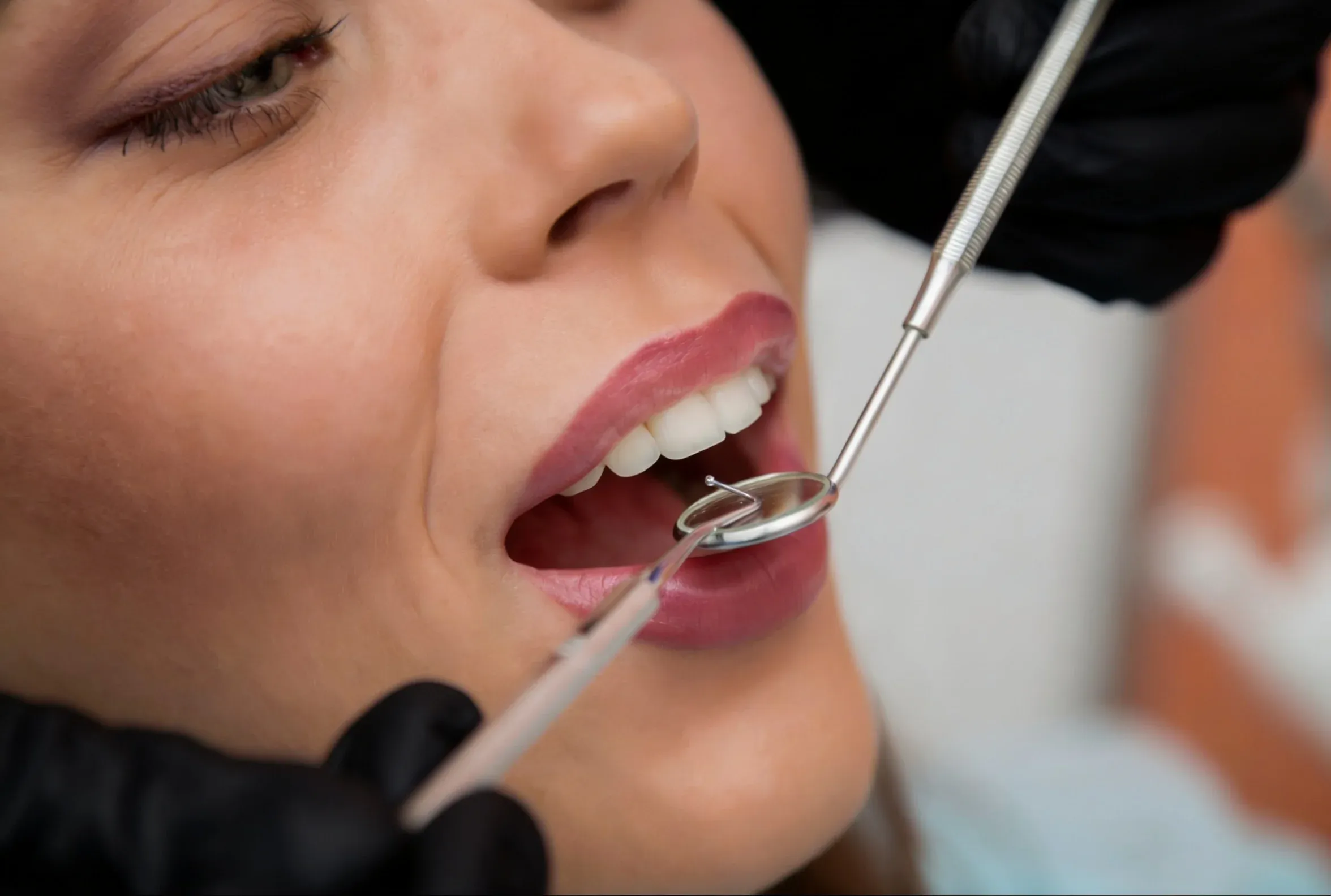
You can expect a thorough exam, gentle reshaping of the tooth under local anesthesia, a quick 3D scan in place of the older putty impressions, and a precise fit-check at delivery. Most patients describe the visit as comfortable and similar to having a filling placed.
Once cemented, the crown looks and functions like a natural tooth. With good home care and regular teeth cleaning visits, most crowns last 10 to 15 years, and many last longer.
Lets you chew comfortably on the treated tooth again
Tooth-colored zirconia and ceramic match neighboring teeth
Most crowns serve 10 to 15 years with routine care
Saves the natural root and avoids extraction or implant surgery
Reduces sensitivity from cracks and exposed dentin
3D scanning replaces messy impressions for a better fit
Compare Your Options
| Treatment | Mechanism | Time | Results | Duration | Downtime | Best For |
|---|---|---|---|---|---|---|
| Dental Crowns | Caps entire tooth | 1-2 visits | Restored strength | 10-15 years | Minimal | Cracked or weak teeth |
| Tooth-Colored Fillings | Fills cavity space | 1 visit | Sealed cavity | 5-10 years | None | Small to medium decay |
| Dental Bridges | Spans missing tooth | 2 visits | Closes gap | 10-15 years | Minimal | 1-2 adjacent missing teeth |
| Dental Implants | Replaces root and crown | Several months | Single replacement tooth | 20+ years | Surgical recovery | Missing single tooth or more |

Finding Your Best Restoration
Dental crowns work best for patients whose tooth still has a healthy root and adequate bone support, but whose visible structure is too damaged for a simple filling.
According to the National Institute of Dental and Craniofacial Research, treating decay or cracks early protects long-term tooth survival, and your dentist at East Ellijay Dental will review all options before recommending a crown.
Your dentist reviews x-rays, checks the tooth, and confirms a crown is the right option.
After local anesthesia, the tooth is gently shaped to make room for the new crown.
Our intraoral scanner captures a precise digital model in place of putty impressions.
A temporary crown protects the tooth while the lab fabricates your final restoration.
At visit two, your dentist checks fit, color, and bite, then cements the permanent crown.
What to Know
Mild gum tenderness, temporary cold sensitivity, and a slightly different bite feel are common in the first one to two weeks and typically resolve as the gums settle. A short period of chewing awareness on the treated side is normal.
Less commonly, a tooth under a crown can develop persistent sensitivity that requires a root canal, the cement seal can wear over many years and allow decay underneath, or, rarely, a porcelain layer may chip. Reported rates of needing root canal therapy after crown placement range from roughly 2 to 6 percent in long-term studies. Allergic reactions to crown materials are uncommon.
Crown materials such as zirconia, porcelain, and noble-metal alloys are well established in dentistry and supported by decades of clinical use. Our doctors and the team at East Ellijay Dental select the material best suited to your tooth, follow strict sterilization protocols, and review any medical conditions or medications that could affect healing before treatment.
In the East Ellijay and Ellijay, GA area, dental crowns typically range from about $900 to $1,800 per tooth depending on material, tooth location, and complexity. All-ceramic and zirconia crowns for visible front teeth often sit at the higher end of that range, while porcelain-fused-to-metal crowns for back teeth are usually more economical. Exact pricing will be discussed during your consultation based on your individual treatment plan and any preparatory work, such as a root canal or core buildup, that may be needed.
East Ellijay Family & Cosmetic Dentistry is in-network with Delta Dental and works with many other PPO plans. Most dental insurance policies cover crowns at roughly 50 percent after deductibles when the crown is needed to restore a damaged tooth, subject to your annual maximum and waiting periods. Our team will verify your benefits and provide a written estimate before treatment begins.
For costs not covered by insurance, we offer two third-party financing programs so you can spread payments over time:
Ellijay's Trusted Provider
Three DMD providers including Dr. Settel, Dr. Sosebee and Dr. Dillard
Comfortable digital impressions instead of older gooey trays
Zirconia, porcelain-fused-to-metal, and all-ceramic options matched to your tooth
Serving East Ellijay, Ellijay, Blue Ridge, and Jasper for 17 years
Treatments that pair well with dental crowns at East Ellijay Dental.
Your Questions Answered
With good home care and regular cleanings, most crowns last 10 to 15 years, and many last longer. Long-term studies report survival rates near 90 to 95 percent at 10 years on healthy teeth.
At East Ellijay Dental we offer zirconia, porcelain-fused-to-metal, and all-ceramic crowns. Your dentist helps you choose the best material based on tooth location, bite forces, and how visible the tooth is when you smile.
Most crowns are completed in two visits about a week apart. The first appointment shapes the tooth and captures a 3D scan; the second delivers and cements your custom final crown.
The procedure itself is done under local anesthesia, so most patients feel only mild pressure. Some sensitivity to cold or chewing is normal for a few days after each visit and usually fades quickly.
Yes. A crown is often recommended after a root canal because the treated tooth becomes more brittle. Pairing root canal therapy with a crown helps protect the tooth and restore full chewing function.
Many dental plans, including Delta Dental, cover crowns at about 50 percent when medically needed. Our team verifies your benefits and provides a clear estimate before treatment begins.
Brush twice a day, floss daily around the crown margin, and keep regular cleaning visits. Avoid chewing ice or very hard objects, and consider a night guard if you grind your teeth.