Early Childhood Cavities
Strengthens newly erupted primary and permanent teeth in growing children

Preventive and General Dentistry
Professional cavity prevention for every age
Understanding Tooth Decay
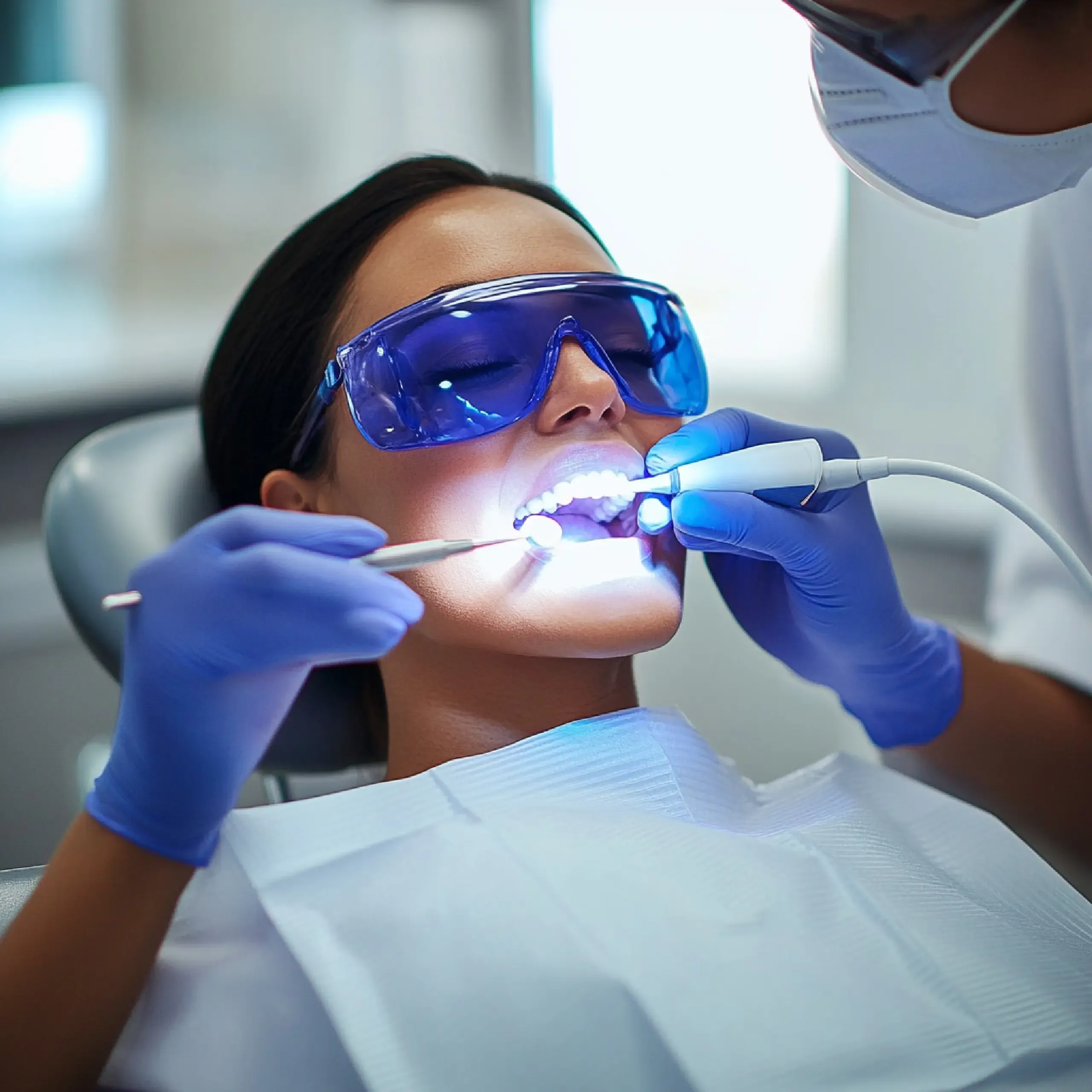
Cavities do not appear overnight. They begin as microscopic weak spots in tooth enamel, caused by acids from bacteria feeding on sugars and starches. Children with new, still-mineralizing teeth are especially vulnerable. Adults with dry mouth, gum recession, frequent snacking habits, orthodontic appliances, or previous fillings also face elevated risk. Once decay forms, it cannot be reversed with brushing alone, and the patient is left needing fillings, crowns, or root canals.
Professional fluoride treatment delivers a concentrated dose of fluoride directly to the enamel, well above what toothpaste or tap water provides. The fluoride binds with the enamel surface to form fluorapatite, a more acid-resistant mineral. This rebuilds weakened areas before they progress into cavities. The varnish sets in seconds, lasts several hours on the tooth surface, and offers protection for the months between dental visits. It is one of the simplest, most cost-effective ways to keep a healthy smile healthy.
The Science of Enamel Protection
Fluoride treatment is the professional, in-office application of a concentrated fluoride compound, most commonly 5% sodium fluoride varnish, to the surfaces of the teeth. The American Dental Association and the Centers for Disease Control and Prevention recognize topical fluoride as one of the most effective public health measures for reducing tooth decay across the lifespan.
Tooth enamel is built from hydroxyapatite crystals. Acid attacks from oral bacteria pull calcium and phosphate out of those crystals in a process called demineralization. Fluoride enters this cycle and incorporates into the enamel as fluorapatite, a stronger mineral that resists acid dissolution. According to the CDC, community and topical fluoride exposure together reduce cavities by roughly 25 percent in children and adults.
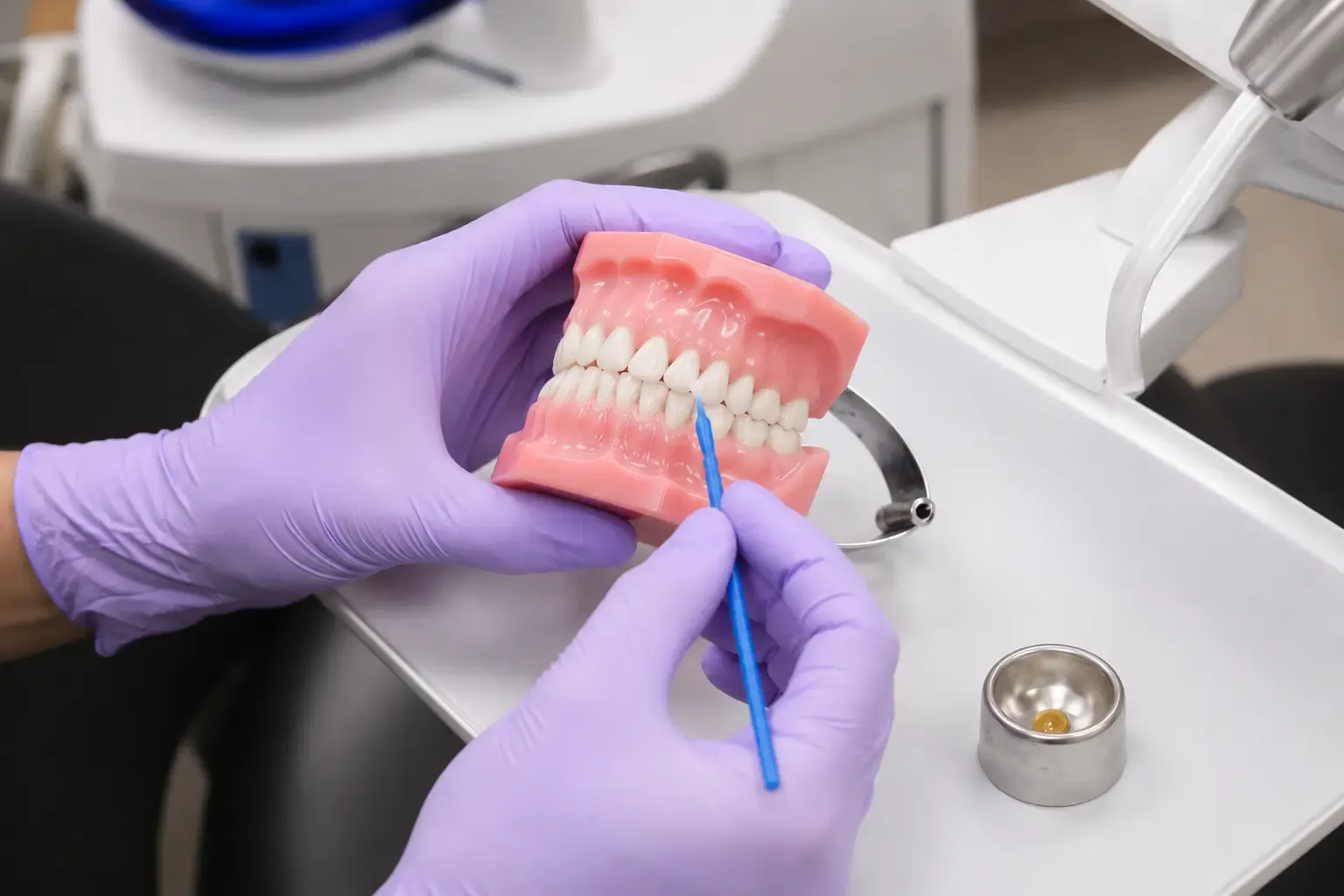
After your teeth cleaning, your dentist or one of our hygienists paints a thin layer of fluoride varnish onto your dry teeth using a small brush. The varnish hardens on contact with saliva and stays in place for several hours.
Protection from a single varnish application typically lasts 3 to 6 months. For high-risk patients, we may recommend treatments every 3 months. For average-risk patients, every 6 months at your routine visit is standard.
Significantly lowers the risk of new decay in children and adults
Application takes only minutes with no needles or drilling
Helps calm hot, cold, and sweet sensitivity over time
Rebuilds weak spots before they become full cavities
Far less expensive than treating future fillings or crowns
Appropriate from early childhood through senior years when properly dosed
Compare Your Options
| Treatment | Mechanism | Time | Results | Duration | Downtime | Best For |
|---|---|---|---|---|---|---|
| In-Office Fluoride Varnish | 5% sodium fluoride coats enamel | 5 minutes | Strong enamel rebuild | 3-6 months per application | None | Children, high-risk adults |
| Prescription Fluoride Toothpaste | Higher daily fluoride at home | 2 minutes daily | Moderate, ongoing | Continuous with use | None | Adults with elevated decay risk |
| Dental Sealants | Resin barrier on chewing surfaces | About 15 minutes | Physical decay shield | Several years | None | Pit and fissure protection in molars |
| OTC Fluoride Rinse | Lower-dose daily mouth rinse | 1 minute daily | Mild reinforcement | Continuous with use | None | Adults wanting daily backup |
Finding Your Best Protection
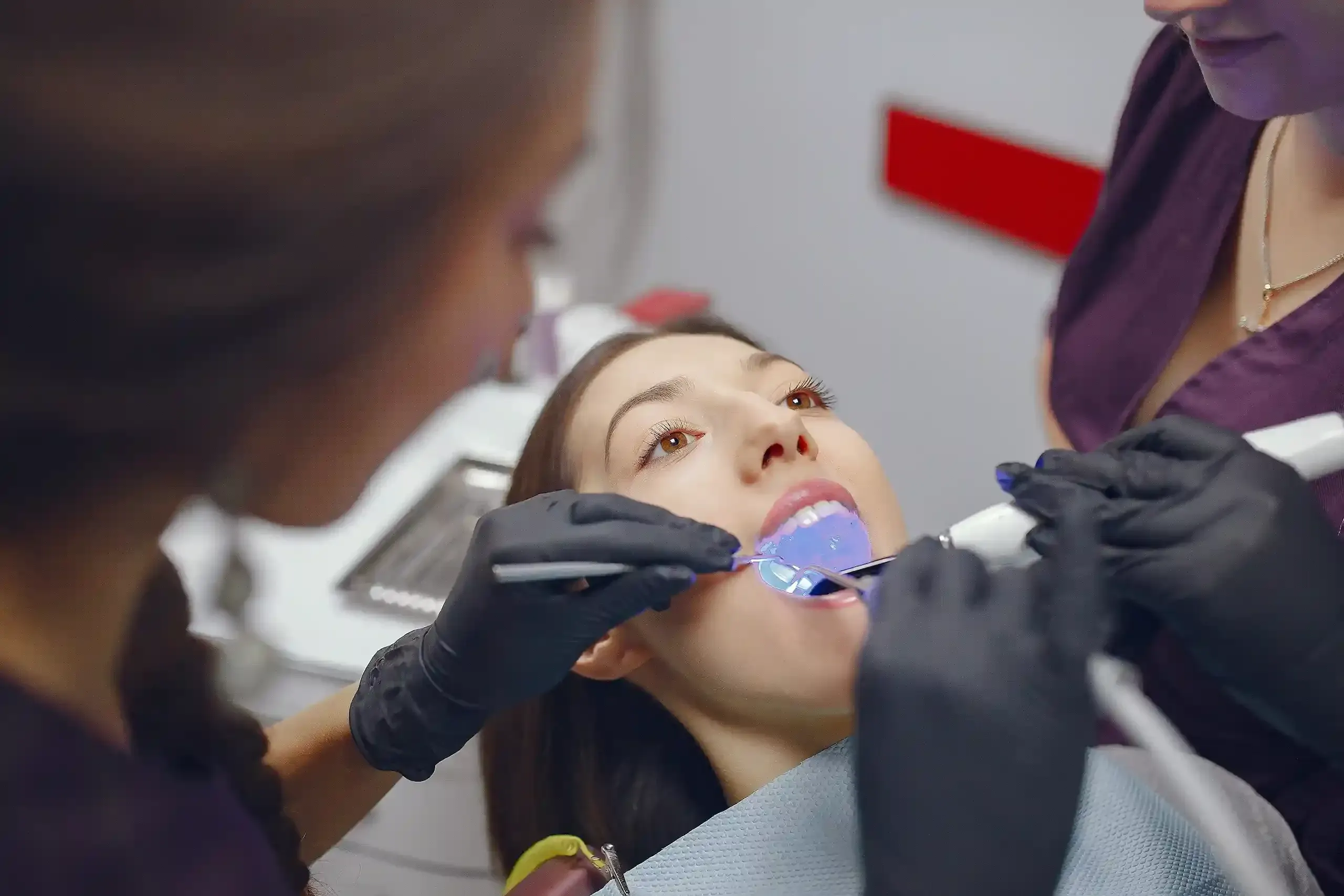
Fluoride treatment is one of the most broadly recommended preventive services in dentistry, but certain patients benefit more than others. The American Dental Association recommends professional topical fluoride for patients at moderate to high cavity risk.
For most patients, professional fluoride is safe and well-tolerated. We follow ADA dosing recommendations strictly and personalize the schedule to your child's age, your home water fluoride level, and your overall cavity risk. If you have questions about combining at-home fluoride with in-office care, ask your dentist or a member of our team at your next visit.
Your dentist reviews your cavity risk, dental history, and home water fluoride level.
A hygienist completes your professional teeth cleaning so the enamel is plaque-free.
Teeth are gently dried with cotton rolls or a brief air stream to help the varnish adhere.
A thin layer of 5% sodium fluoride varnish is painted on with a small disposable brush.
You receive simple aftercare instructions, including no hot drinks or hard foods for several hours.
What to Know
Most patients experience nothing more than a temporary yellowish tint or sticky feeling on the teeth that fades within several hours. Some children notice a mild taste they do not love. These effects typically resolve within the same day.
True allergic reactions to fluoride varnish are very uncommon and most often relate to the rosin (pine resin) base, not the fluoride itself. Patients with a known colophony allergy should let our team know. Mild dental fluorosis can occur in young children if total fluoride intake from all sources (water, toothpaste, supplements, and professional treatments) exceeds recommended levels during enamel formation. This is why ADA dosing matters.
Topical fluoride varnish is FDA-cleared as a tooth desensitizer and has been used safely in dental offices for decades. The U.S. Public Health Service and the CDC both endorse professional fluoride application as a safe, effective cavity-prevention strategy when delivered at recommended doses. Our doctors and team carefully consider each patient's age, home fluoride exposure, and overall risk before scheduling fluoride treatments.
Fluoride treatment in East Ellijay, GA typically ranges from about 25 to 60 dollars per application when paid out of pocket. The final cost depends on whether the treatment is for a child or adult, your insurance coverage, and whether it is bundled with a routine cleaning and exam visit.
For children under age 14 to 16 (limits vary by plan), most dental insurance plans, including Delta Dental, cover one to two fluoride treatments per year at little or no cost. We are in-network with Delta Dental, which usually means our patients pay nothing for pediatric preventive fluoride at a covered visit.
For adults, fluoride is often considered an elective or risk-based service and may be paid out of pocket. The exception is adult patients with documented high cavity risk, dry mouth, or recent decay, where some plans do extend benefits. We will check your coverage before treatment so there are no surprises.
A single adult fluoride application costs roughly the price of a dinner out. The cost of a single filling typically starts at several hundred dollars, and a dental crown can run into the four figures. For adults at elevated risk, paying out of pocket for preventive fluoride is one of the most cost-effective decisions in dentistry.
We make preventive care accessible with several payment paths.
Exact pricing will be discussed at your appointment based on your individual coverage and treatment plan.
East Ellijay's Trusted Dental Team
Three DMDs caring for children and adults under one roof
We follow ADA guidelines to match fluoride frequency to your cavity risk
A welcoming office where kids and parents feel relaxed
Maximize benefits for children's preventive care visits
Pair fluoride with these preventive services for complete protection.
Your Questions Answered
Yes. Professional fluoride varnish is safe and FDA-cleared for adult use. Adults at higher cavity risk, including those with dry mouth, gum recession, or recent decay, often benefit significantly from regular applications.
Most patients receive fluoride every 6 months at routine cleaning visits. High-risk patients may need treatments every 3 months. Your dentist will recommend the right interval based on your cavity risk.
No. The application is painless. We simply paint a thin layer of varnish onto dry teeth with a small brush. There are no needles, drilling, or sensations beyond the taste of the varnish itself.
The amount applied is very small and the varnish sets within seconds, so the risk of meaningful ingestion is low. We follow ADA dosing guidelines for children to keep total fluoride intake within recommended levels.
Wait 4 to 6 hours before eating hot, hard, crunchy, or sticky foods. Soft, cool foods and water are fine right away. Avoid brushing until the next morning to let the varnish stay on the enamel.
No. Fluoride does not whiten teeth. If you are interested in brightening your smile, ask us about our professional teeth whitening options at your next visit.
Yes, for cavity prevention. In-office varnish contains a much higher fluoride concentration than over-the-counter toothpaste and stays on the enamel for hours, delivering protection daily brushing cannot match.
Most pediatric dental plans, including Delta Dental, cover fluoride treatments for children at no or low cost. We are in-network with Delta Dental and will verify your coverage before treatment.