Coffee, Tea, Red Wine
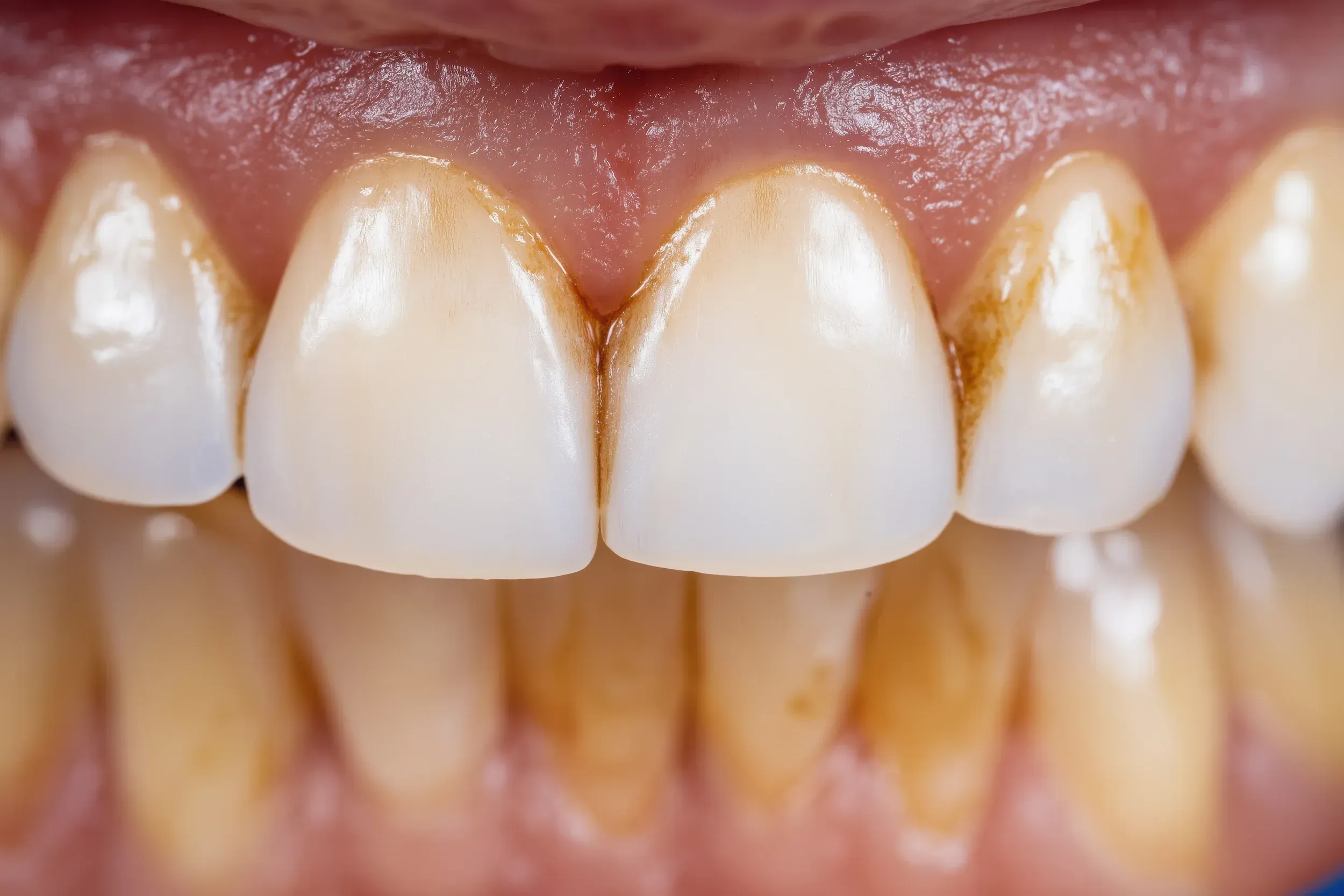
Tannins and chromogens in these drinks bind to enamel surfaces and create persistent extrinsic stains, especially with daily consumption.

Conditions We Treat
Brighten Your Smile with Confidence

Recognizing the Signs
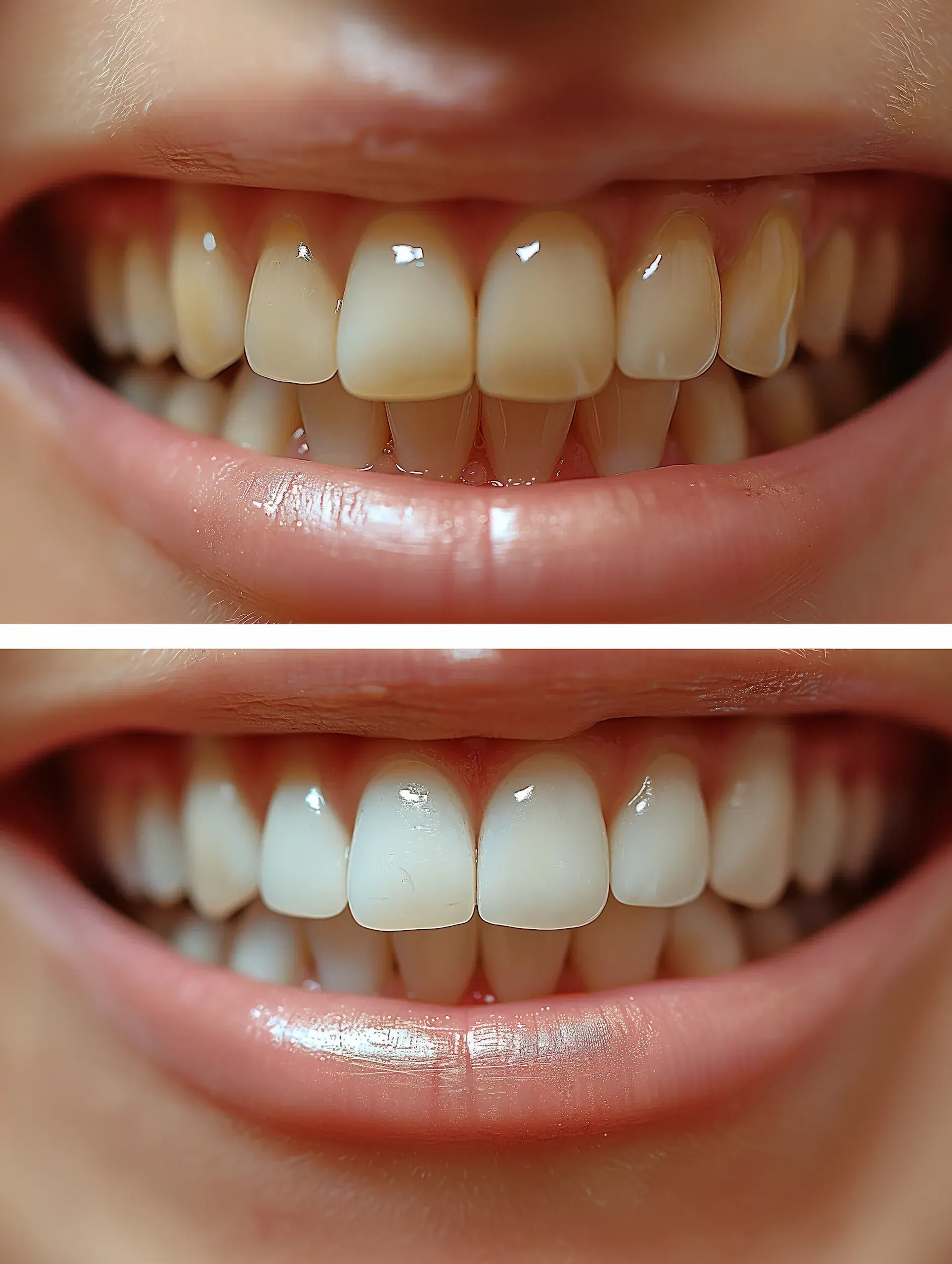
Stained and yellowing teeth in East Ellijay, GA are a common cosmetic concern that occurs when discoloration develops on the enamel surface (extrinsic staining) or within the deeper dentin layer (intrinsic staining). Both types affect how bright and youthful your smile looks.
When you notice your teeth no longer match the bright shade you remember, you are likely seeing the cumulative effect of daily habits, aging, and the natural translucency of enamel thinning over time. Many patients first recognize the change after looking at older photos or comparing their smile to a friend's.
At East Ellijay Family and Cosmetic Dentistry, our doctors, partners Dr. David L. Settel, DMD, FAGD and Dr. Cynthia P. Hall Sosebee, DMD, with Dr. Michael Dillard, DMD, serve patients across East Ellijay, Ellijay, Blue Ridge and Jasper, GA with professional whitening solutions tailored to the type and depth of discoloration you have.
Understanding the Root Causes
Tooth color is determined by two layers: the outer enamel and the inner dentin. Enamel is naturally semi-translucent, while dentin is yellow-brown. As enamel thins with age (roughly losing measurable thickness across decades), the darker dentin shows through, producing the yellowing many adults notice in their 30s and 40s.
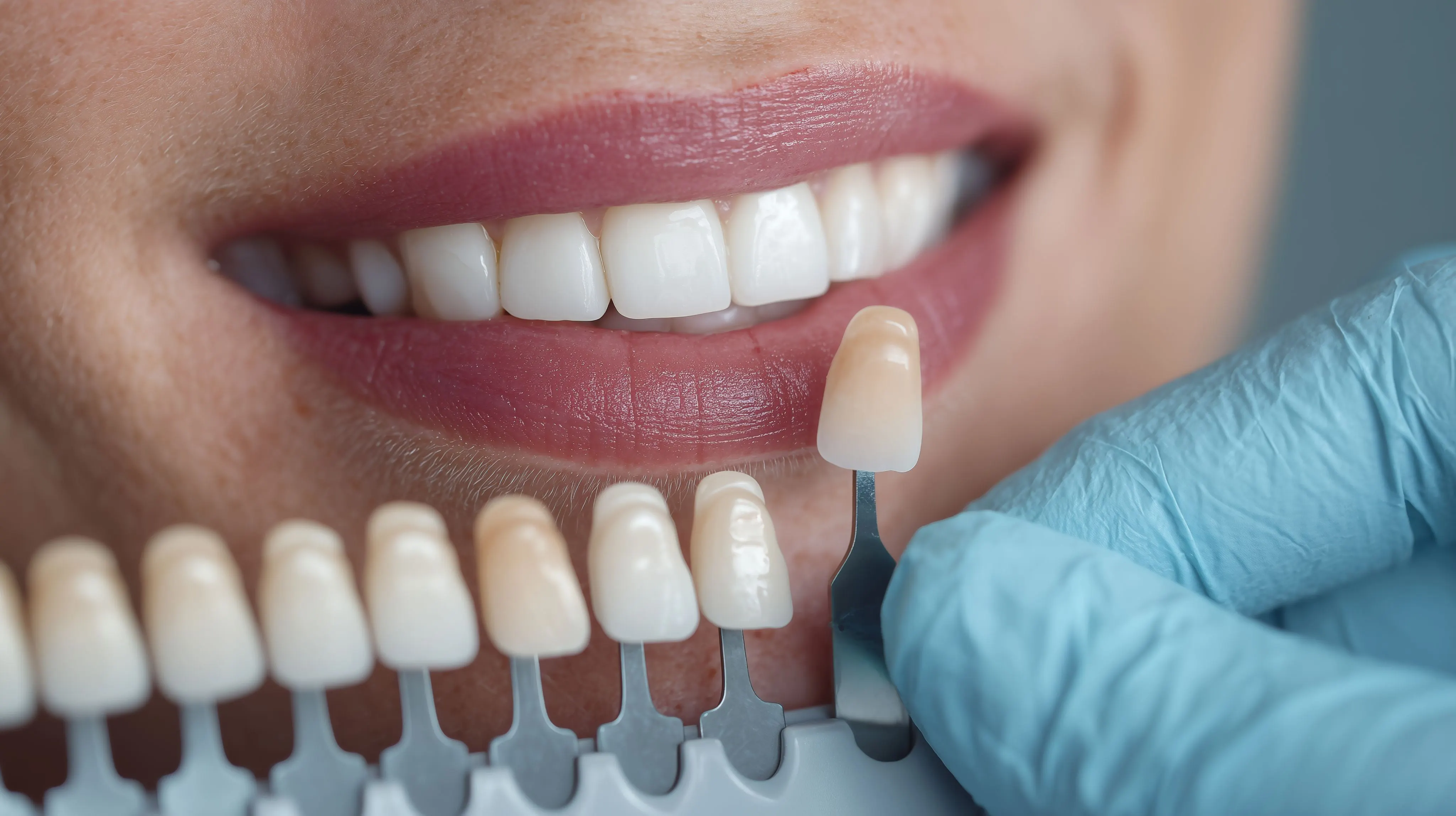
Extrinsic stains form when chromogens (color compounds) from coffee, tea, red wine, berries, and tobacco bind to the protein pellicle on the enamel surface. According to the American Dental Association, these surface stains respond well to professional cleaning and bleaching agents containing hydrogen peroxide or carbamide peroxide.
Intrinsic stains develop inside the tooth from antibiotics like tetracycline taken during tooth development, excessive fluoride exposure (fluorosis), trauma, or aging. These require stronger professional whitening or restorative options. A thorough professional teeth cleaning is often the first step to remove surface buildup before whitening begins.
How Aging Affects Tooth Shade
Enamel is the hardest substance in the human body, but it is not self-repairing. Acidic foods, drinks, and stomach acid from reflux can erode enamel, exposing more dentin and changing how light reflects off the tooth. Thinner enamel makes teeth appear yellower even without new staining.
The pellicle, a thin protein film that coats teeth within hours of brushing, attracts pigment molecules from food and drink. The National Institute of Dental and Craniofacial Research notes that consistent oral hygiene reduces pellicle staining, but professional intervention is often needed once color has set.
Composite fillings, crowns, and bonded restorations do not respond to bleaching. If you have older tooth-colored fillings or crowns in your smile zone, your dentist will plan whitening around them so the final shade matches across all teeth.

Expert Care in East Ellijay
Finding Your Best Approach
| Treatment | Best For | Session Time | Results Timeline | Maintenance |
|---|---|---|---|---|
| Professional Teeth Cleaning | Surface stain removal | 45-60 min | Immediate | Every 6 months |
| Teeth Whitening | Fast, dramatic brightening | 60-90 min | Same day | 6-12 months |
| Juvederm and Lip Fillers | Frame and complement a brighter smile | 30-45 min | Immediate | 9-12 months |
Recognizing When to Seek Help
About Stained and Yellowing Teeth
Brushing removes surface plaque, but it does not reverse enamel thinning or remove pigments that have bonded deeply to the tooth structure. Daily coffee, tea, aging, and natural dentin color often produce yellowing that only professional whitening can correct.
Most natural teeth respond well to whitening, but crowns, veneers, bonding, and fillings do not change color. Intrinsic stains from tetracycline, trauma, or severe fluorosis may need stronger treatment or restorative options. Your dentist will evaluate your case and recommend the right approach.
Professional in-office whitening using prescription-strength hydrogen peroxide gel produces the fastest, most dramatic results, often lightening teeth several shades in one visit. Take-home custom trays deliver gradual results over one to two weeks and work well for maintenance.
Results typically last 6 to 12 months, depending on your diet and habits. Avoiding heavy coffee, tea, red wine, and tobacco extends results. Many patients use periodic take-home touch-ups to maintain their brightness between in-office sessions.
Yes. The FDA regulates hydrogen peroxide concentrations used in professional whitening, and clinical studies show no permanent enamel damage when treatments are supervised by a dentist. Some patients notice temporary sensitivity that resolves within a few days.