Invisalign Planning
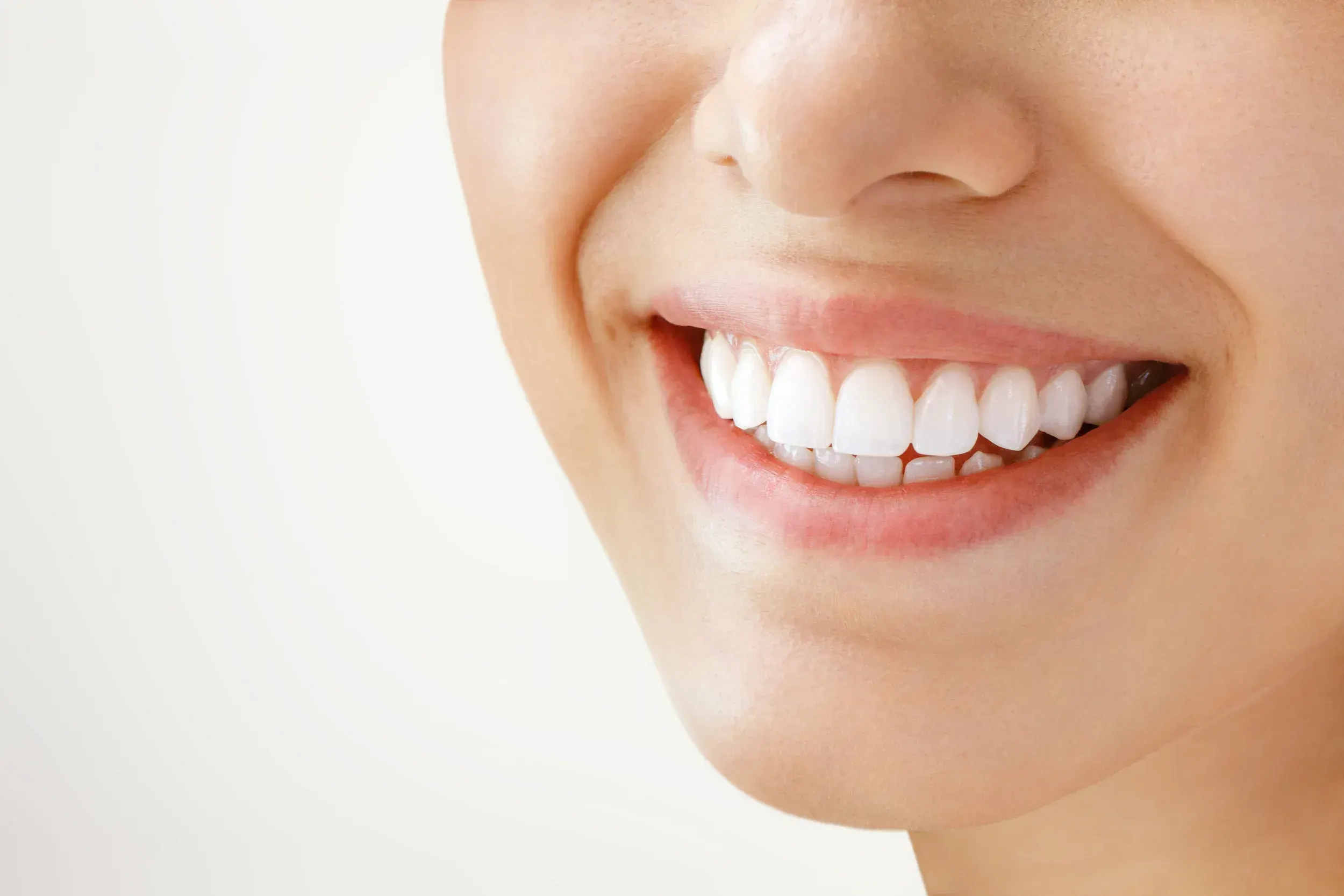
Captures the precise tooth positions used to design clear aligner sequences.

Preventive and General Dentistry
Precise Digital Impressions, No Goop
From Goopy Trays to Clean Scans
If you have ever had a traditional dental impression, you know the discomfort. A tray full of cold, putty-like material is pressed against your teeth and gums for several minutes while it sets. Many patients gag, breathe through their nose with effort, and worry about the tray sliding. Children, anxious patients, and people with a strong gag reflex often dread the experience, and a single distortion in the putty can mean a remake. Distorted impressions also lead to crowns or aligners that fit poorly, sometimes requiring extra visits to adjust.
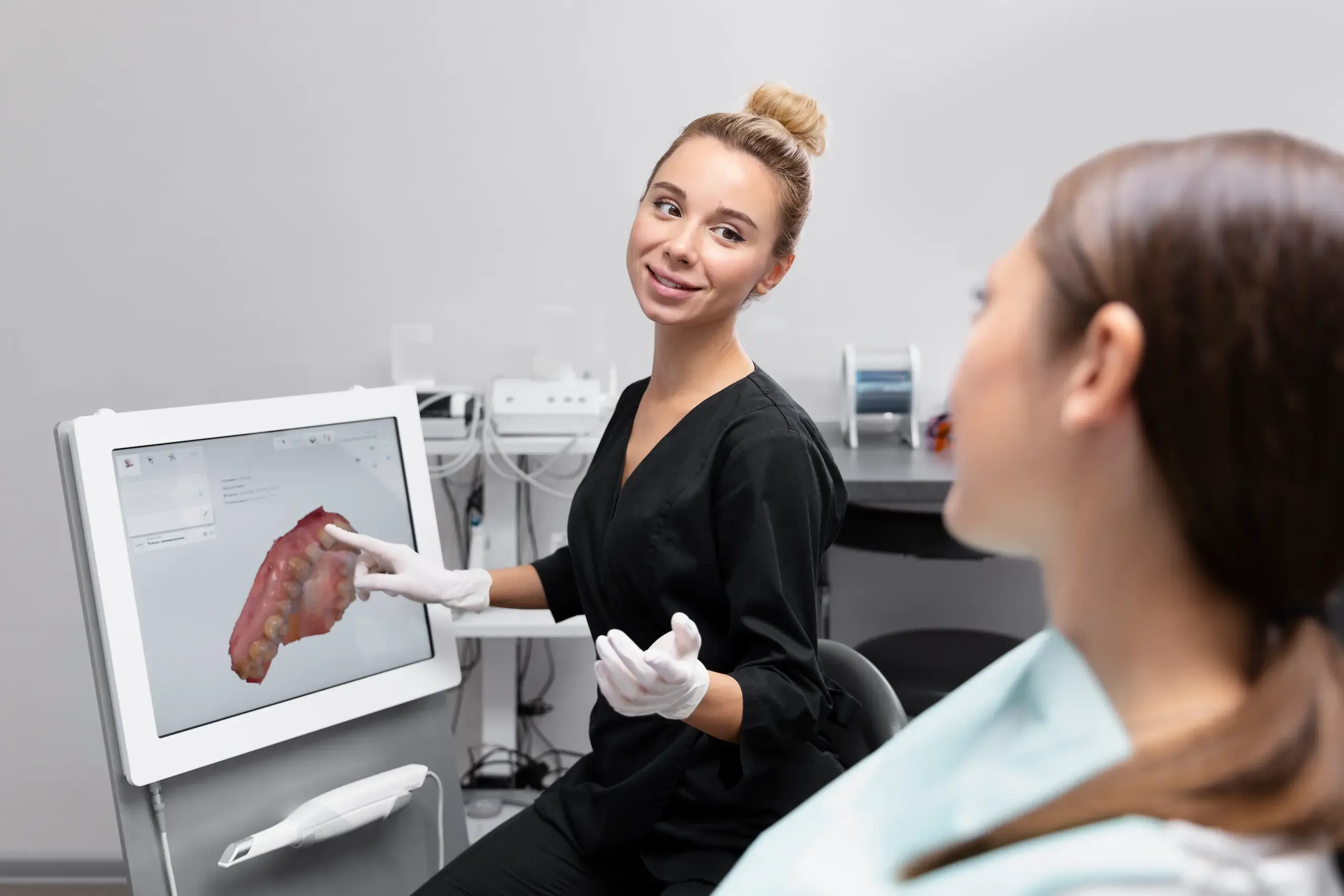
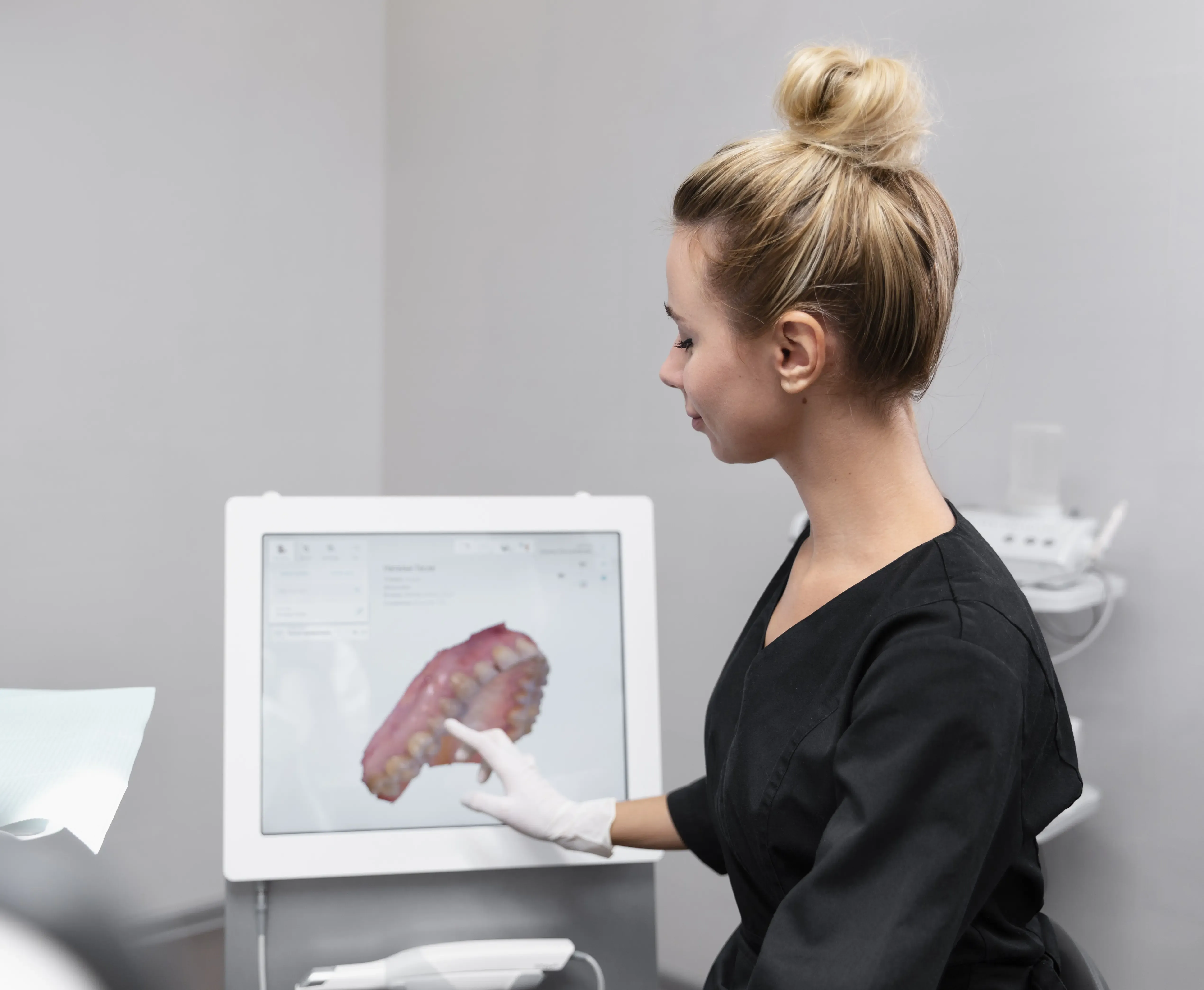
3D digital dental scanning replaces those messy trays with a small handheld wand that glides over your teeth and captures thousands of images per second. There is no goop, no tray and almost no gag reflex. The scan appears in real time on a monitor so our doctors and team can verify accuracy before you even sit up. Digital files transmit directly to dental labs and Invisalign, removing shipping delays and rescans. The result is a more comfortable visit, better-fitting restorations and aligners, and fewer return appointments.
The Science of Intraoral Optical Scanning
3D digital dental scanning, also called intraoral scanning, uses a wand-shaped optical scanner to capture thousands of detailed images of your teeth, gums and bite. Specialized software stitches the images into a highly accurate three-dimensional digital model in real time. The technology has been used in dentistry since the late 1980s and has become a standard of care in modern practices.
The intraoral scanner emits safe, structured light or laser pulses onto tooth surfaces. Cameras inside the wand record the way light reflects off enamel, soft tissue and existing restorations, and CAD/CAM software (computer-aided design and manufacturing, used to design and build dental restorations digitally) converts those reflections into precise 3D coordinates. According to the American Dental Association, digital impressions are increasingly preferred for their accuracy and patient comfort.
You sit upright with your mouth slightly open while your dentist or a team member glides the scanner over your teeth. The scan typically finishes in 3 to 5 minutes per arch, and you can pause anytime for a swallow or a sip of water. There is no chemical taste, no setting time, and no waiting for a tray to harden.
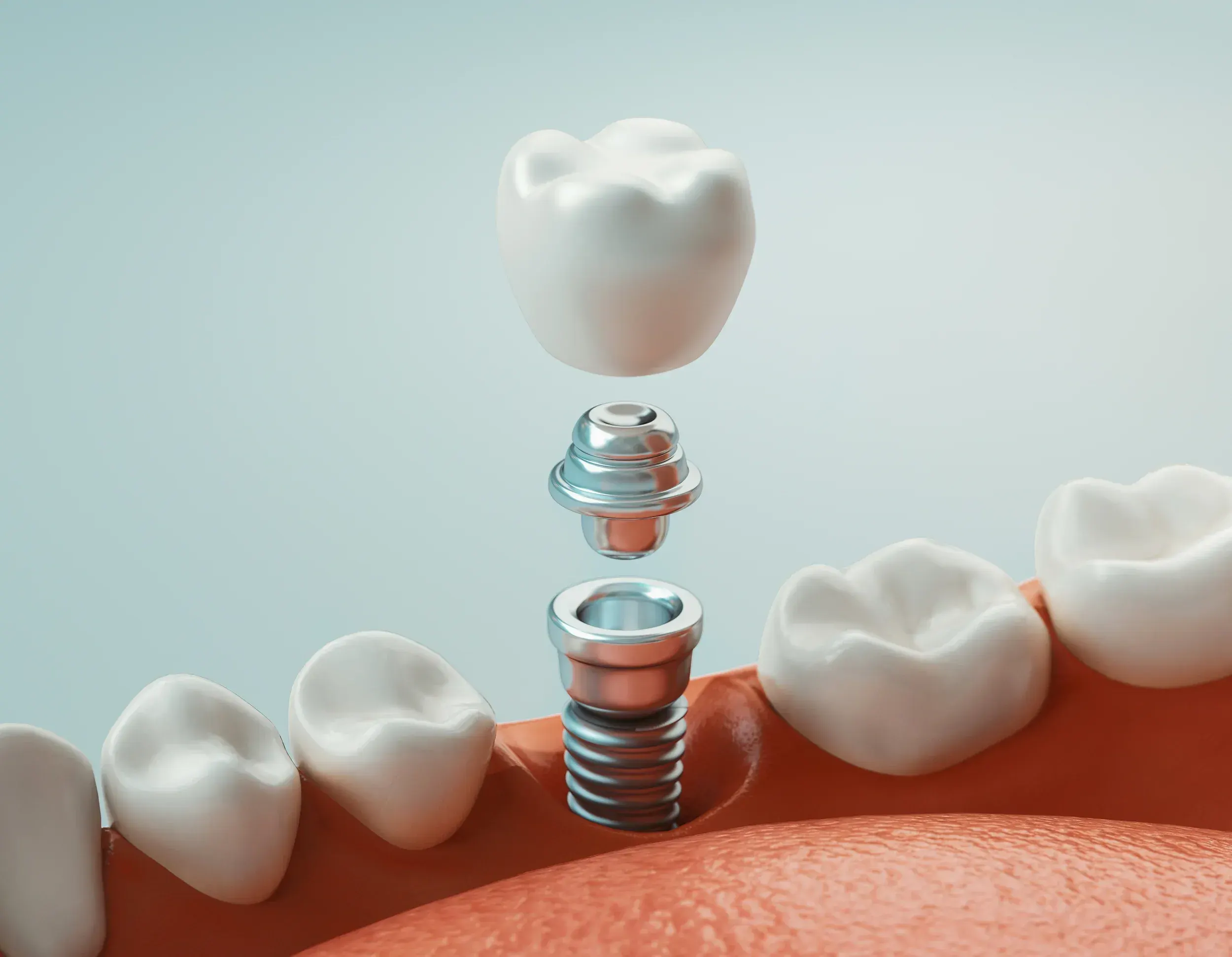
The completed 3D model can be sent instantly to Invisalign or our on-call lab for crowns, bridges, implant restorations, night guards and sleep apnea appliances. According to research summarized on PubMed, intraoral scanning provides accuracy comparable to or better than conventional impressions for single-unit restorations.
Replaces putty impressions with a gentle, dry handheld scanner.
No bulky tray, ideal for kids and anxious patients in East Ellijay.
Each arch scans in 3 to 5 minutes with no setting time.
Captures micron-level detail for better-fitting crowns and aligners.
Digital files go straight to Invisalign or the dental lab the same day.
Intraoral scanning uses safe light, not X-rays, for surface imaging.
Compare Your Options
| Treatment | Mechanism | Time | Results | Duration | Downtime | Best For |
|---|---|---|---|---|---|---|
| 3D Digital Dental Scanning | Optical wand captures 3D surface model | 3-5 min per arch | Highly accurate 3D file | Instant digital file | None | Invisalign, crowns, implants, guards |
| Traditional Alginate Impressions | Putty tray sets against teeth | 5-7 min set time | Physical mold sent to lab | Days to receive lab work | None | Backup when scanning is not available |
| Dental X-Rays | Low-dose radiation imaging | 5-10 min total | 2D internal tooth view | Stored in patient chart | None | Cavity detection, bone and root evaluation |

Finding Your Best Imaging Option
Almost any patient needing a dental impression for Invisalign, a crown, a bridge, an implant restoration, a night guard or a sleep apnea appliance is a candidate for 3D digital scanning. The technology is especially valuable for patients who struggled with traditional putty impressions in the past.
Our doctors and team will review your records, discuss your goals, and recommend whether digital scanning, traditional impressions or both are best for your specific case. Per Invisalign clinical guidance, digital scans are the preferred method for modern aligner therapy.
Your dentist reviews your treatment goals and gently dries your teeth before the scan begins.
A handheld intraoral wand glides over your upper and lower arches while a 3D model builds on screen.
You bite down naturally so the scanner records how your teeth come together for accurate alignment.
Your dentist walks you through the 3D model, checks accuracy, and explains the next steps for your treatment.
What to Know
3D digital dental scanning is non-invasive and has no typical side effects. A few patients report mild jaw fatigue from holding the mouth open for 3 to 5 minutes, which resolves immediately after the scan. The scanner tip may feel slightly warm but never hot, and there is no chemical taste or pressure on the gums.
True complications are extremely rare. Occasionally a scan may need to be repeated if saliva or blood obscures a tooth surface. In patients with active gag reflex disorders, brief gagging can occur but usually subsides with a short pause. Soft tissues are not injured by the optical light used in scanning.
Intraoral scanners use safe structured light or laser technology rather than ionizing radiation, so there is no X-ray exposure. According to peer-reviewed research on PubMed, intraoral scanning is considered a low-risk imaging method appropriate for adults and children. Our doctors and trained team follow manufacturer protocols and infection-control standards to keep every scan safe and comfortable.
At East Ellijay Family & Cosmetic Dentistry, the 3D digital dental scan itself is typically bundled into the fee for the restorative or orthodontic treatment it supports, such as an Invisalign case, a crown, an implant restoration or a custom night guard. There is generally no separate fee for the scan when it is performed as part of a larger treatment plan. Exact pricing will be discussed during your consultation based on your individual treatment plan and which restorations or appliances are involved.
We are in network with Delta Dental and file with any insurance, which can reduce out-of-pocket cost for the underlying restorative procedure. We will provide a clear written estimate before any treatment begins.
For patients who want to spread out the cost of larger cases that include digital scanning, we partner with two trusted financing providers:
Talk with our front desk about combining insurance and financing for Invisalign, crowns or implants. Our team can walk you through estimates before you commit.
East Ellijay's Trusted Dental Team
Three DMDs led by Dr. Settel, FAGD, with 17 years serving Gilmer County.
Updated facility with intraoral scanning integrated into daily care.
Family-friendly approach welcomes kids, anxious adults, and seniors.
Centrally located in East Ellijay for Ellijay, Blue Ridge and Jasper patients.
Pair digital scanning with these complementary East Ellijay dental services.
Your Questions Answered
3D dental scanning uses a small intraoral wand to capture thousands of images per second and build a precise 3D digital model of your teeth and gums, replacing traditional putty impressions.
In most cases yes. At East Ellijay Family & Cosmetic Dentistry, we use digital scanning for Invisalign, crowns, bridges, implants and night guards. Traditional impressions are still used for select full-arch denture cases or when the scanner cannot access an area.
Each arch typically scans in 3 to 5 minutes, with a total appointment time of about 15 minutes including bite registration and review. There is no setting time or chemical taste.
Yes. The scanner uses safe light, not X-rays, and the small wand is much easier for children than goopy trays. It is often a better option for kids with a strong gag reflex.
Yes. Your dentist will walk you through the 3D model on screen so you can preview tooth positions, planned crowns or Invisalign movement before treatment begins.
The scan itself is usually bundled into the cost of the restorative or orthodontic treatment it supports, such as an Invisalign case or a crown. Insurance benefits apply to those underlying procedures.
Absolutely. Digital scans are commonly paired with comprehensive dental exams, dental X-rays and Invisalign consultations during a single visit for efficient treatment planning.