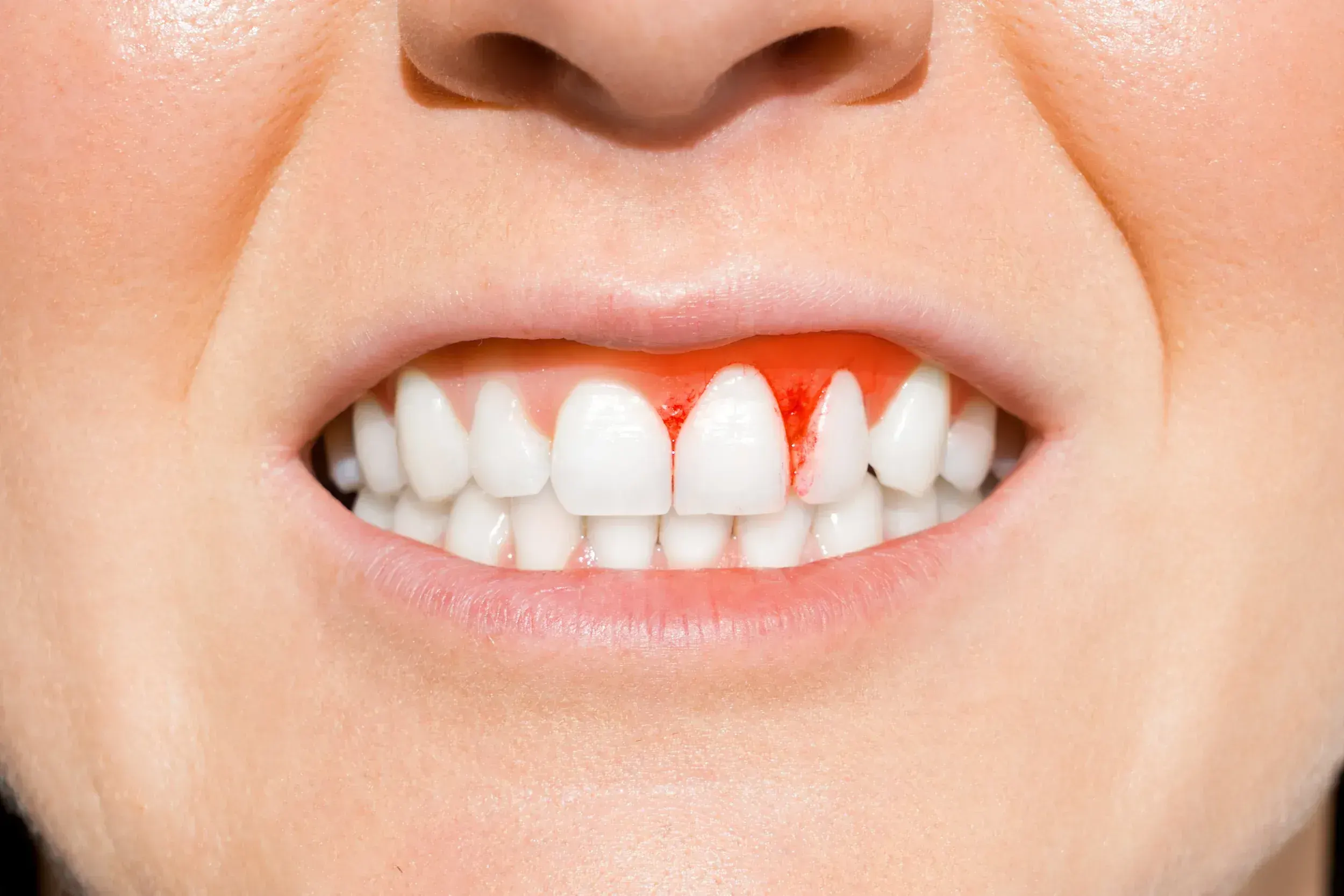
Plaque and Tartar Buildup
Inconsistent brushing and flossing allow bacterial biofilm to harden into tartar that only professional instruments can remove.

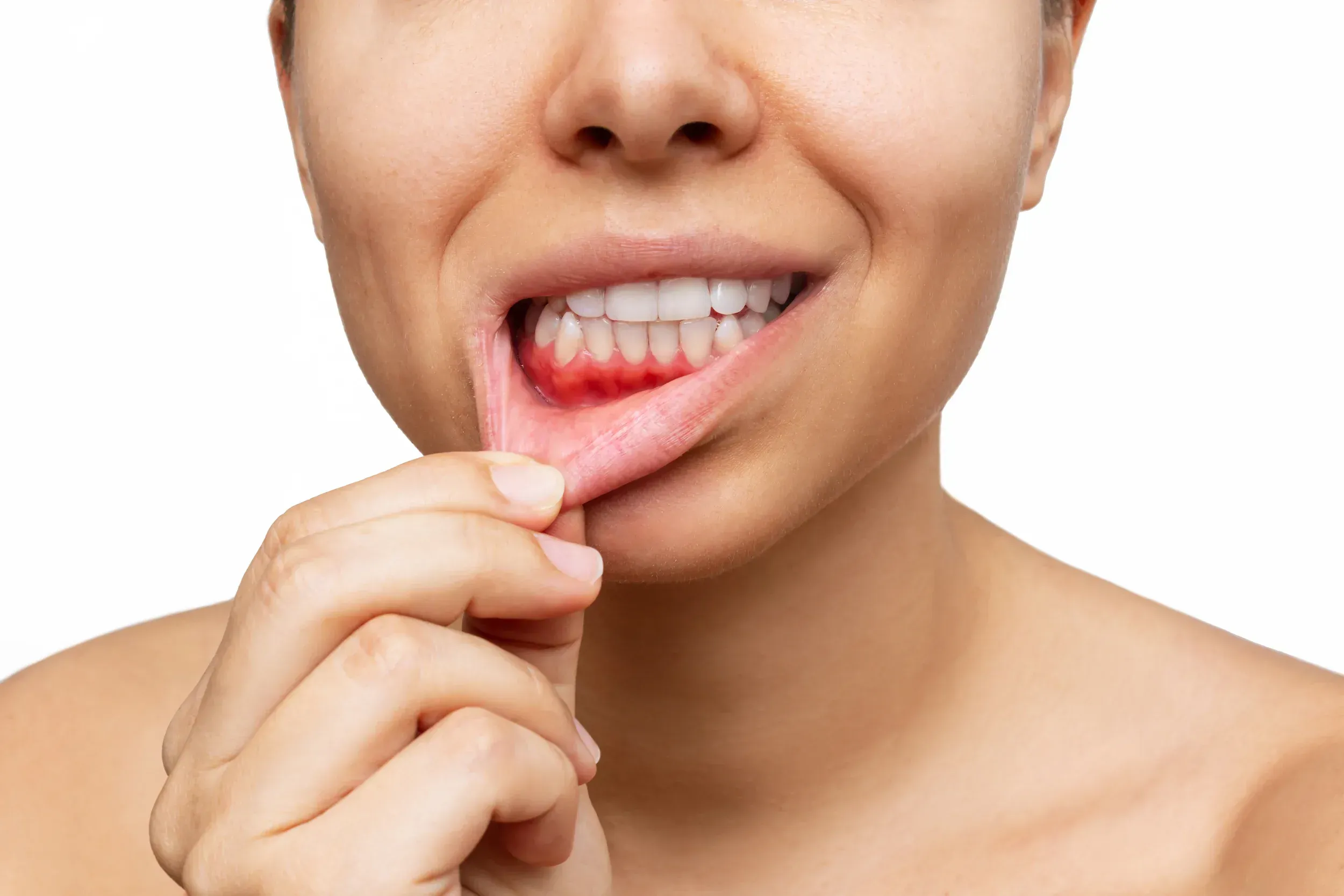
Conditions We Treat
Restore Healthy, Comfortable Gums

Recognizing the Signs
Gum disease and bleeding gums in East Ellijay, GA affect a large share of adults and often begin quietly. Periodontal disease is a bacterial infection of the gum tissue and supporting bone, starting as gingivitis (gum inflammation) and progressing through mild, moderate, and severe periodontitis if untreated.
When you notice pink in the sink after brushing, gums that look puffy or red, or breath that does not freshen with a mint, you are seeing the early warning signs that bacteria along the gumline are triggering a chronic inflammatory response.
Patients across East Ellijay, Ellijay, Blue Ridge and Jasper, GA frequently describe feeling embarrassed about their breath, frustrated by sore gums during meals, and worried about loose teeth. The good news: with early preventive care and professional treatment, gum disease can be controlled and, at the gingivitis stage, fully reversed.

Understanding the Root Causes
Gum disease begins with bacterial biofilm. Within 24 to 48 hours after brushing, plaque hardens into tartar that brushing alone cannot remove, and the bacteria inside release toxins that irritate the surrounding gum tissue. According to the Centers for Disease Control and Prevention, nearly half of adults aged 30 and older in the United States have some form of periodontal disease.
Once toxins are present, the immune system responds with chronic inflammation. Blood vessels in the gums dilate and leak, which is why even gentle brushing or flossing causes bleeding. Over time, the gum tissue pulls away from the tooth, forming pockets where more bacteria thrive and where everyday cleaning cannot reach.
If those pockets are not professionally cleaned, the infection extends below the gumline and begins dissolving the bone that anchors your teeth. The American Academy of Periodontology notes that this bone loss is permanent, which is why routine professional teeth cleanings are the single most important way to stop the progression.

How Gingivitis Becomes Periodontitis
Periodontal disease progresses through four recognizable stages. Stage one is gingivitis, where gums are red, puffy, and bleed easily, but no bone has been lost. At this stage the damage is fully reversible with professional cleaning and improved home care.
Stage two is mild periodontitis. Pockets between the gum and tooth deepen to 4 or 5 millimeters, and early bone loss begins. Stage three, moderate periodontitis, brings pockets of 6 millimeters or deeper, visible gum recession, and roots that may feel sensitive to hot or cold. Scaling and root planing, also called a deep cleaning, is typically required to halt progression.
Stage four is severe periodontitis. Significant bone loss, loose teeth, painful chewing, and pus around the gumline can occur, and tooth loss becomes a real risk. Research summarized in PubMed (PMID: 30178874) also links advanced periodontitis with cardiovascular disease, type 2 diabetes complications, and adverse pregnancy outcomes, which is why ongoing periodontal maintenance matters beyond the mouth.

Expert Care in East Ellijay
Finding Your Best Approach
| Treatment | Best For | Session Time | Results Timeline | Maintenance |
|---|---|---|---|---|
| Professional Teeth Cleaning | Gingivitis, prevention | 45-60 min | Immediate | Every 6 months |
| Comprehensive Dental Exams | Diagnosis, charting | 30-45 min | Same visit | Annual |
| Scaling and Root Planing | Mild to moderate periodontitis | 60-90 min per quadrant | 2-6 weeks | 3-month recall |
| Periodontal Maintenance | Ongoing periodontitis control | 45-60 min | Stabilized health | Every 3-4 months |

Recognizing When to Seek Help
Explore the treatments we use to stop gum disease and protect your smile.
About Gum Disease
Bleeding gums are typically caused by plaque and tartar collecting along the gumline, which triggers gingivitis. Hormonal shifts, smoking, certain medications, and vitamin deficiencies can also contribute. In most cases a professional cleaning plus improved home care stops the bleeding within two weeks.
Gingivitis, the earliest stage, is fully reversible with a professional cleaning and consistent brushing and flossing. Once gum disease progresses to periodontitis and bone loss has occurred, the damage cannot be reversed, but treatments like scaling and root planing can stop further progression.
We match treatment to your stage. Gingivitis usually responds to a regular cleaning and home care coaching. Mild to moderate periodontitis is treated with scaling and root planing, sometimes by quadrant. Established periodontitis is then maintained with 3-month periodontal maintenance visits to keep pockets stable.
Untreated periodontitis leads to deeper pockets, permanent bone loss, gum recession, loose teeth, and eventually tooth loss. Research also links chronic periodontal infection with cardiovascular disease, poor diabetes control, and adverse pregnancy outcomes, so treatment protects more than just your smile.
Most patients with healthy gums benefit from a cleaning and periodontal screening every six months. If you have a history of gum disease, diabetes, or smoke, we typically recommend recall visits every three to four months to catch bacterial rebound before it causes new damage.
Yes. Brush twice daily for two minutes with a soft-bristled brush, floss or use interdental brushes once a day, and avoid tobacco. Home care controls about 60 percent of risk; the remaining bacteria below the gumline still require professional removal, which is why regular cleanings matter.