Stress and Anxiety
Elevated cortisol and sympathetic activity lower the threshold for jaw muscle firing during sleep arousals and tense daytime moments.

Conditions We Treat
Protect Your Smile While You Sleep
Recognizing the Signs
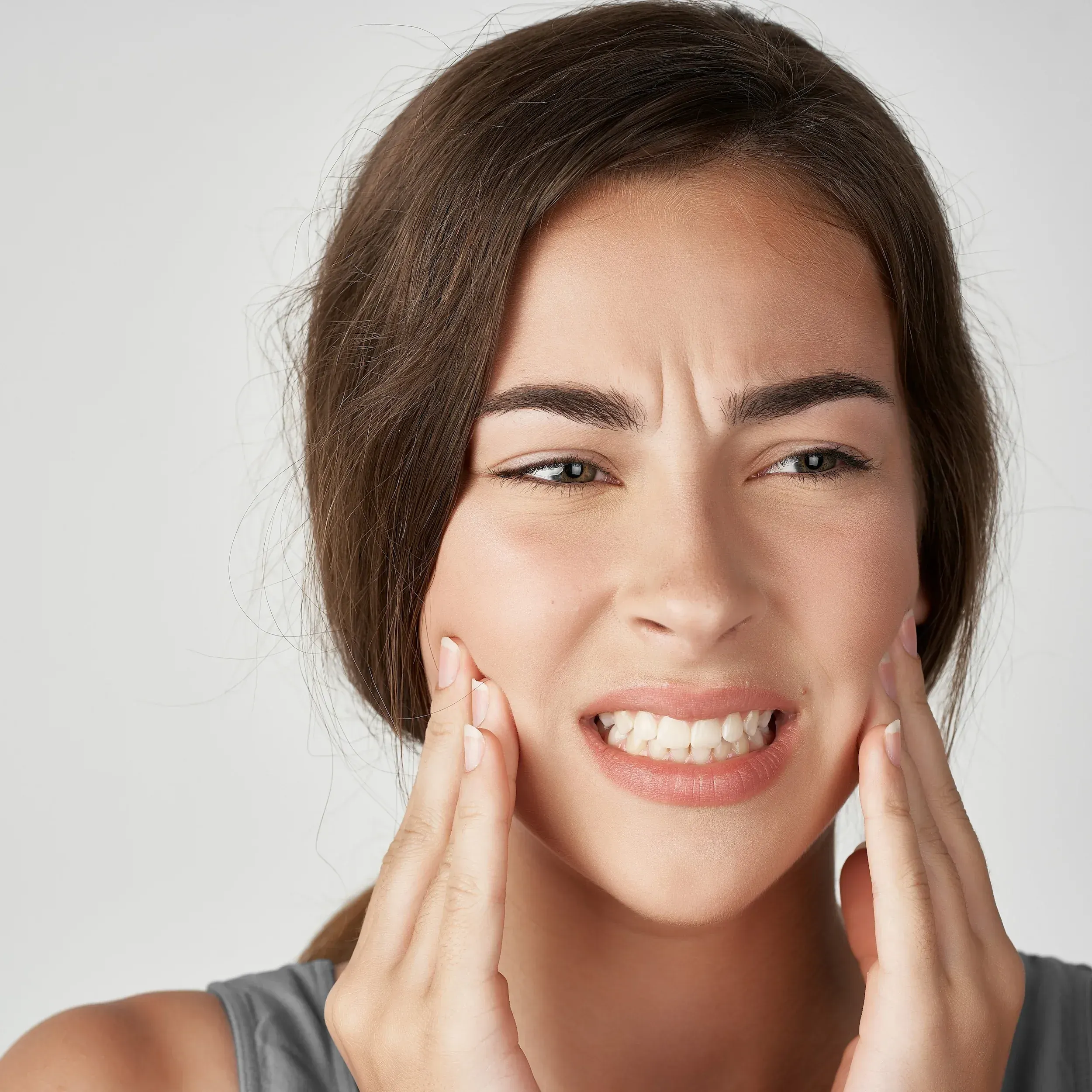
Teeth grinding and bruxism in East Ellijay, GA is a parafunctional oral habit where you clench, grind, or gnash your teeth, often unconsciously during sleep or daytime stress. Sleep bruxism is classified by the American Academy of Sleep Medicine as a sleep-related movement disorder, while awake bruxism is considered a separate behavioral condition.
When you wake up with a sore jaw, a dull headache near your temples, or notice your back teeth feel flat against each other, you are likely experiencing the effects of nighttime grinding. Many patients only learn they grind after a partner reports the sound or a dentist spots the wear during a routine exam.
At East Ellijay Family and Cosmetic Dentistry, we help patients from East Ellijay, Ellijay, Blue Ridge and Jasper, GA identify bruxism early and protect their teeth, jaw joints, and quality of sleep before lasting damage occurs.

Understanding the Root Causes
Bruxism is driven by repetitive, involuntary contractions of the masseter and temporalis muscles, which can generate biting forces several times greater than normal chewing. According to the American Dental Association, these forces routinely exceed 250 pounds per square inch during sleep grinding episodes, far higher than the 70 PSI typical of chewing.
Sleep bruxism is now understood as a centrally mediated event, often clustered around arousals from sleep. Stress and anxiety raise sympathetic nervous system activity, which lowers the threshold at which jaw muscles fire during these arousals. Over time, this nightly muscle activity wears enamel, fractures fillings, and inflames the temporomandibular joint.
For some patients, a poorly balanced bite, missing teeth, or untreated sleep-disordered breathing keeps the jaw searching for a stable resting position. Addressing these underlying issues with a comprehensive dental exam is the first step toward lasting relief.
From Wear to Joint Strain
Enamel is the hardest tissue in the human body, but it is not self-repairing. Nightly grinding shears off micron-thin layers of enamel until cusp tips flatten, edges chip, and the underlying yellow dentin becomes visible. This loss of vertical height also shortens the lower face and ages your smile.
Beneath the gumline, sustained occlusal force can cause abfraction lesions near the gum margin, hairline cracks that travel into the root, and failure of older fillings or crowns. Patients often need a dental crown or onlay to rebuild a tooth that has fractured under grinding load.
The temporomandibular joint pays an equally high price. Chronic clenching inflames the joint capsule, displaces the cartilage disc, and triggers the popping, locking, and ear-area pain associated with TMJ dysfunction, a topic we cover in detail on our jaw pain and TMJ page.
Expert Care in East Ellijay
Finding Your Best Approach
| Treatment | Best For | Session Time | Results Timeline | Maintenance |
|---|---|---|---|---|
| Night Guards | Nighttime grinding protection | 30-45 min | First night of wear | Yearly check |
| Botox for TMJ and Bruxism | Masseter muscle relaxation | 15-20 min | 5-14 days | Every 3-4 months |
| Emface TMD and Cosmetic | Jaw muscle support and tone | 20 min | 4-6 weeks | Quarterly touch-ups |
| Comprehensive Dental Exams | Diagnosis and damage assessment | 45-60 min | Same visit | Every 6 months |

Recognizing When to Seek Help
Explore the treatments we use to protect your teeth and relieve bruxism.
About Teeth Grinding and Bruxism
Bruxism is multifactorial. Common drivers include stress and anxiety, sleep-disordered breathing such as apnea, an unbalanced bite, caffeine and alcohol use, certain SSRI medications, and a genetic predisposition. We work with you to identify the specific triggers behind your grinding.
Many patients only discover sleep bruxism when a partner hears grinding or our team spots flattened cusps, chipped edges, and inflamed jaw muscles during an exam. Morning headaches, tight jaw muscles, and tooth sensitivity are also common clues.
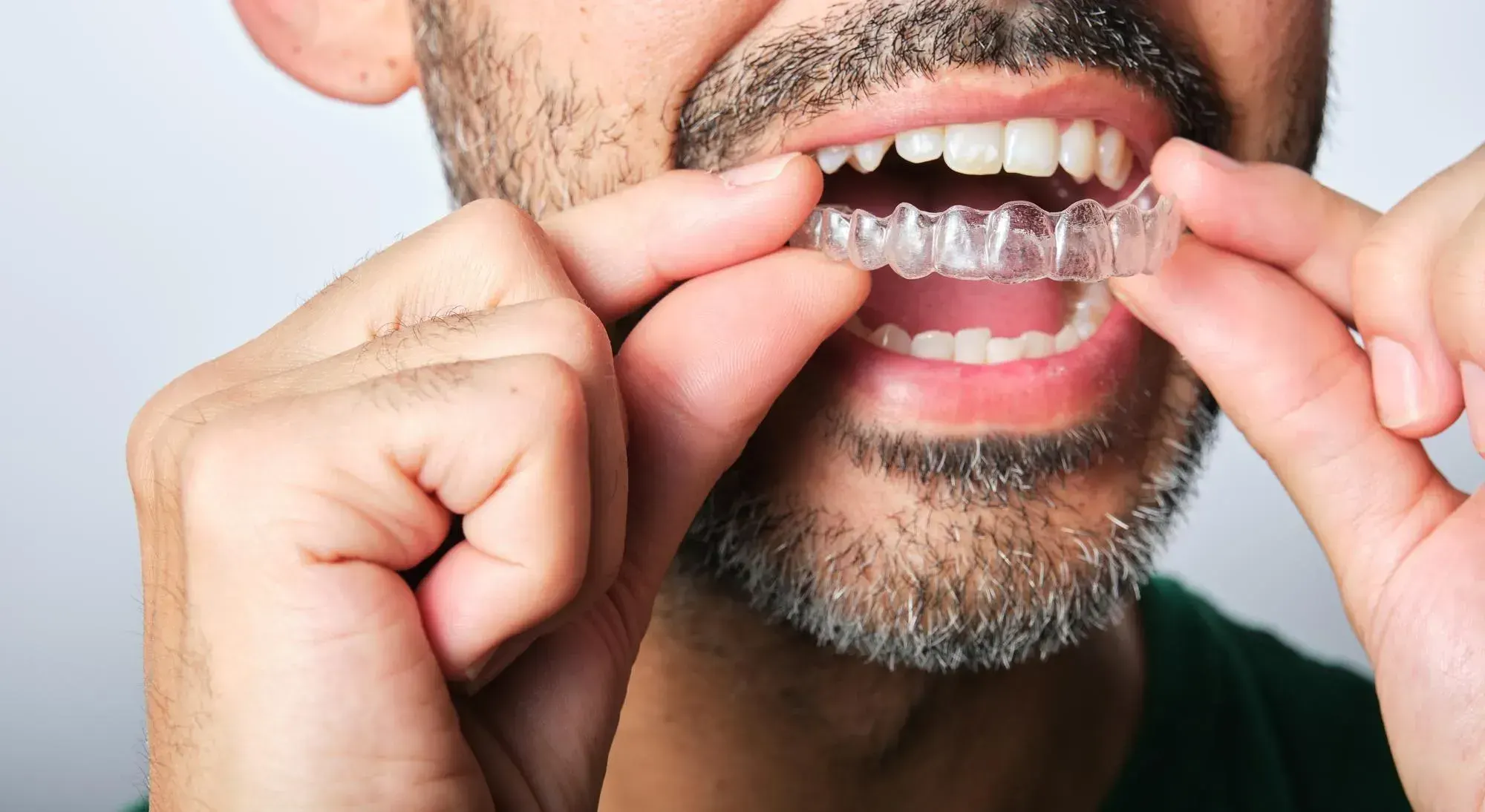
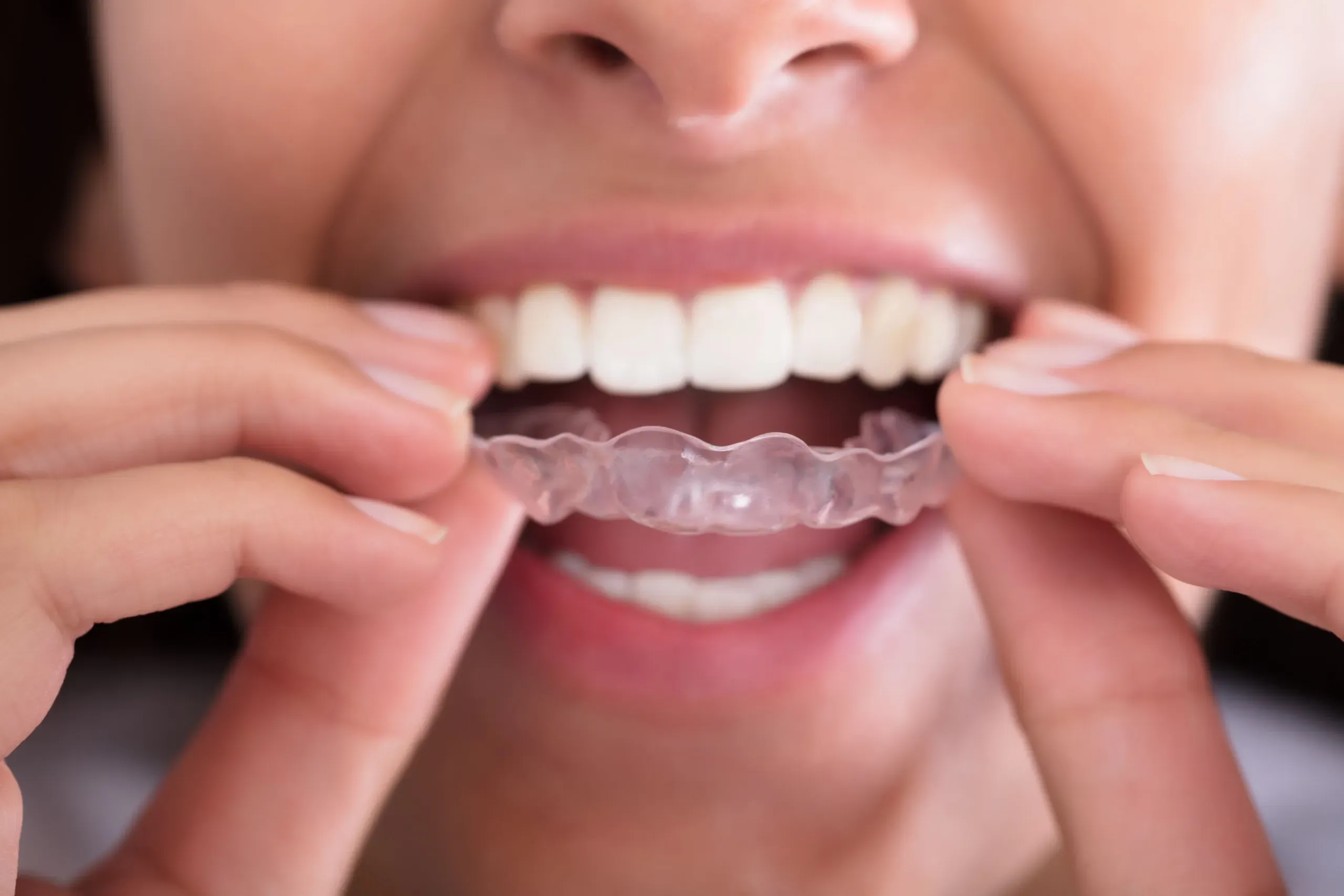
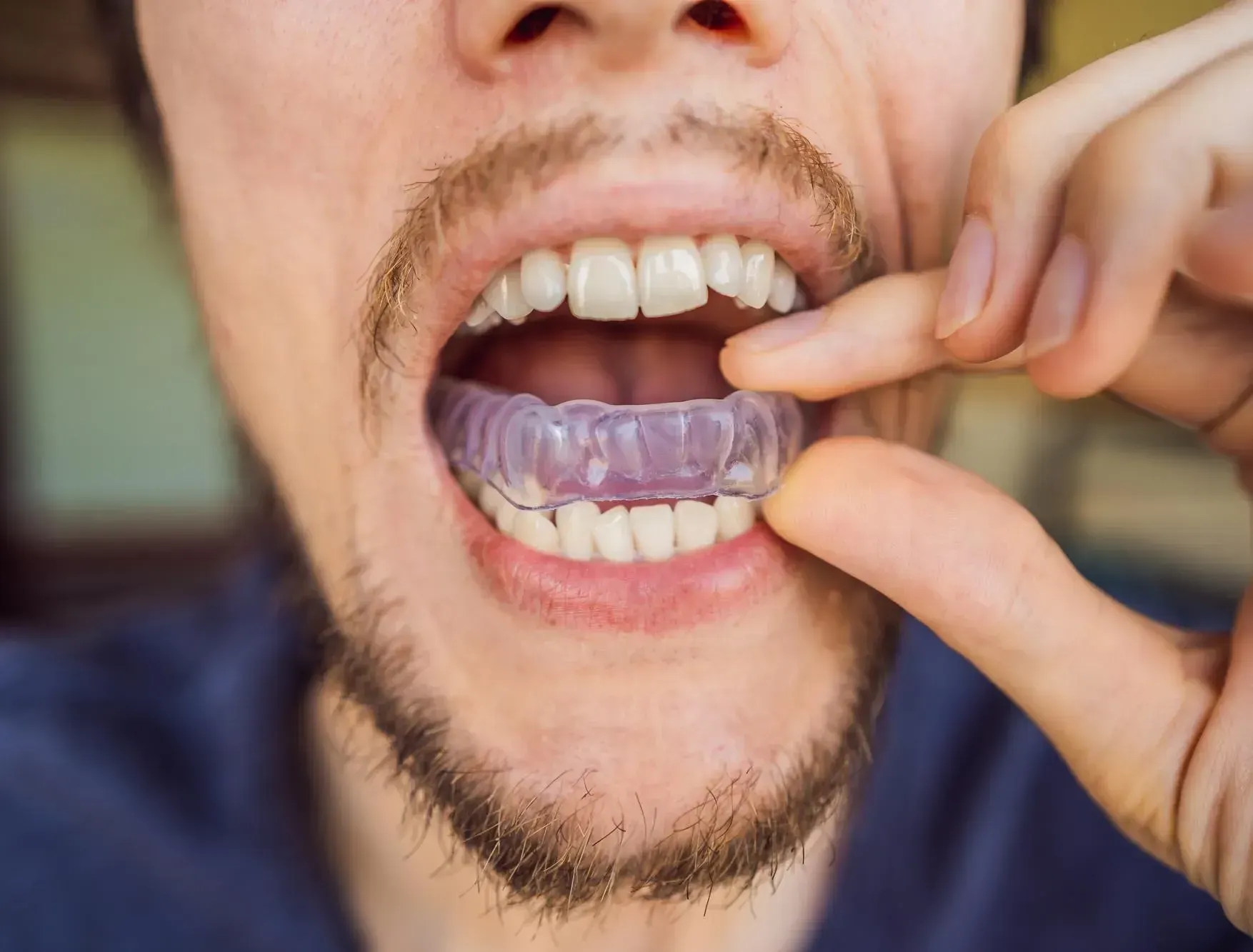
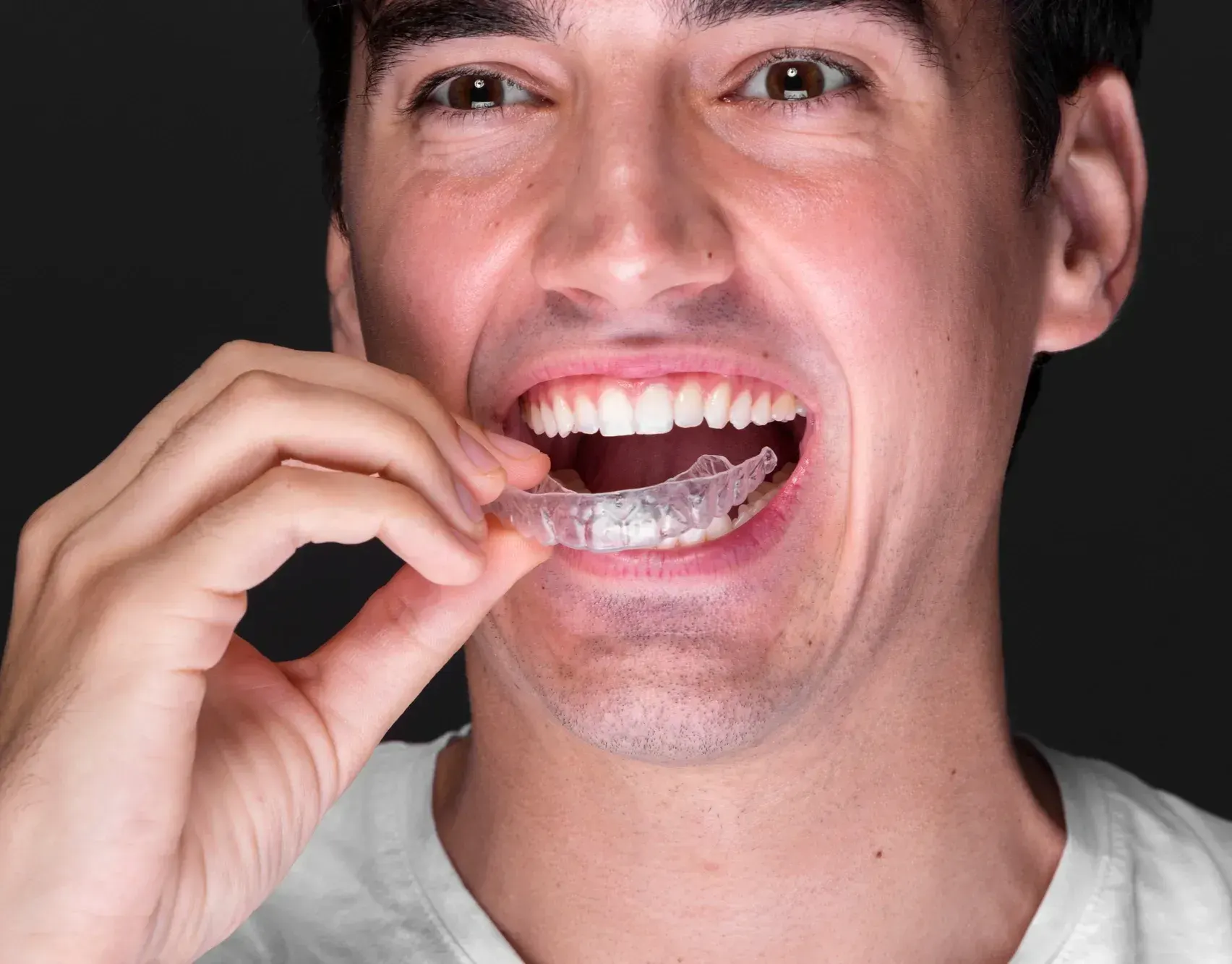
A custom night guard is the first line of defense for most patients, cushioning the teeth and reducing muscle activity. For muscle-driven cases, Botox for TMJ and bruxism or Emface can relax the masseters. We tailor the plan to your wear pattern and lifestyle.
Yes. Untreated bruxism wears enamel down to dentin, fractures fillings, and cracks teeth that may then require crowns or root canals. Joint inflammation can also progress to chronic TMJ dysfunction. Early protection prevents most of this damage.
Boil-and-bite guards offer some protection but rarely fit precisely, can shift during sleep, and may even worsen jaw posture. A lab-fabricated guard is contoured to your bite, lasts much longer, and distributes force evenly across the arch.
Most patients notice less morning jaw soreness and fewer headaches within the first one to two weeks of consistent nightly wear. Tooth sensitivity from enamel wear typically improves over four to six weeks as the teeth are shielded each night.