Lips and Cheeks
Sores, color changes, or thickened patches inside and outside
Preventive and General Dentistry
Painless screening at every dental visit
Understanding Your Risk
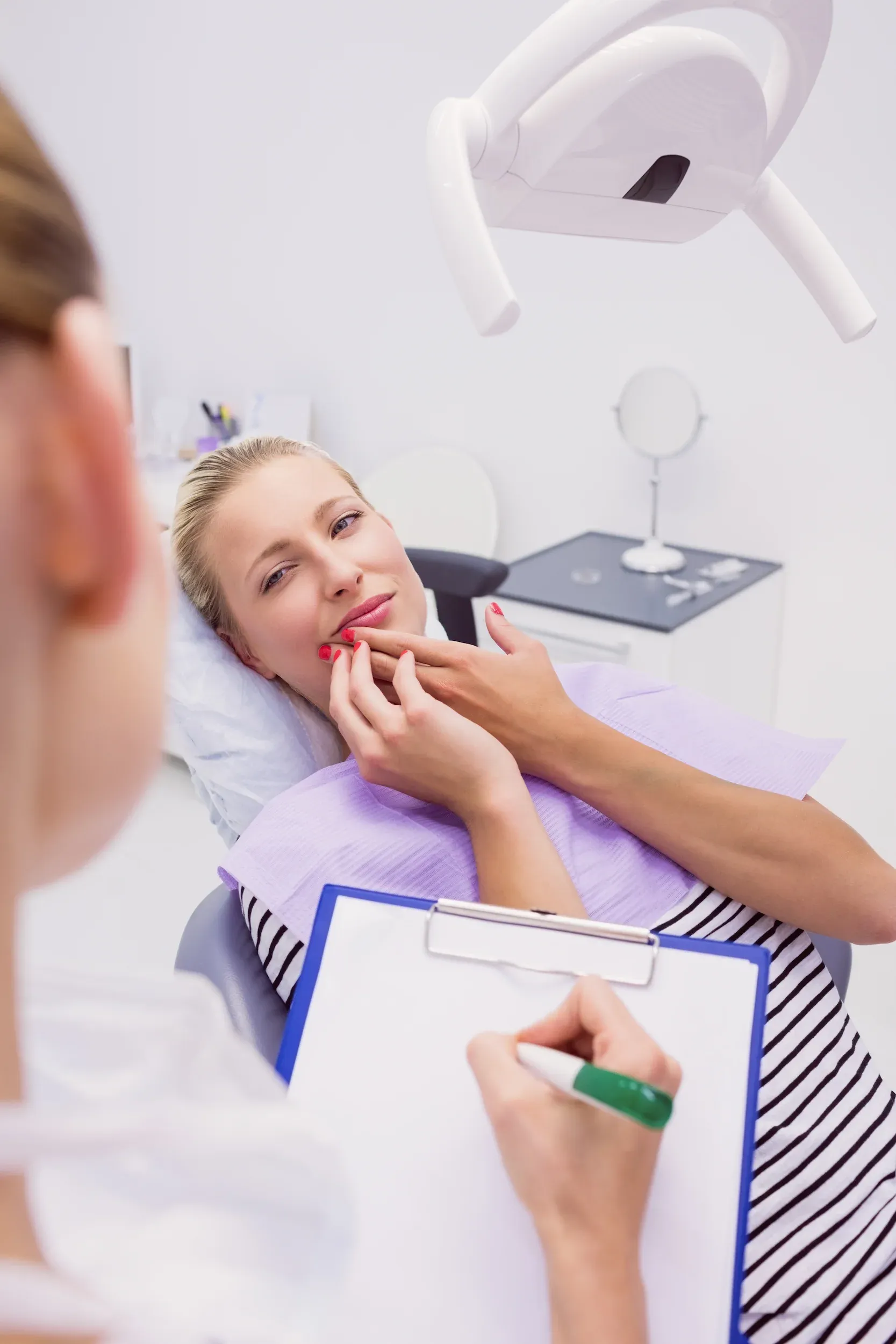
Oral cancer is diagnosed in roughly 54,000 Americans every year, and only about two thirds of patients survive past five years, largely because the disease is often found late. Many lesions are completely painless in their earliest stages, so patients have no symptoms to prompt a visit. Lifestyle factors such as tobacco, heavy alcohol use, prolonged sun exposure on the lips, and HPV infection all raise risk, and rates among non-smokers have been climbing in recent years.
A quick visual and tactile screening at every dental visit gives your dentist the chance to catch suspicious tissue while it is still small, treatable, and rarely life-threatening. At East Ellijay Dental, our doctors and team look under the tongue, along the floor and roof of the mouth, inside the cheeks, around the throat, and at the lymph nodes of the neck. If anything looks unusual, we document it, photograph it, and either monitor it briefly or refer you for a biopsy with a trusted local specialist.
Quick, Painless, Lifesaving
Oral cancer screening is a structured visual and tactile examination of all soft tissues inside and around the mouth, designed to detect cancer or pre-cancerous changes at their earliest, most treatable stage. The American Cancer Society recommends regular screenings because most early oral cancers cause no pain and look like simple sores, white patches, or red spots that patients can easily overlook. At East Ellijay Dental, the screening is built into every comprehensive dental exam and every six-month teeth cleaning visit, not booked as a separate procedure.
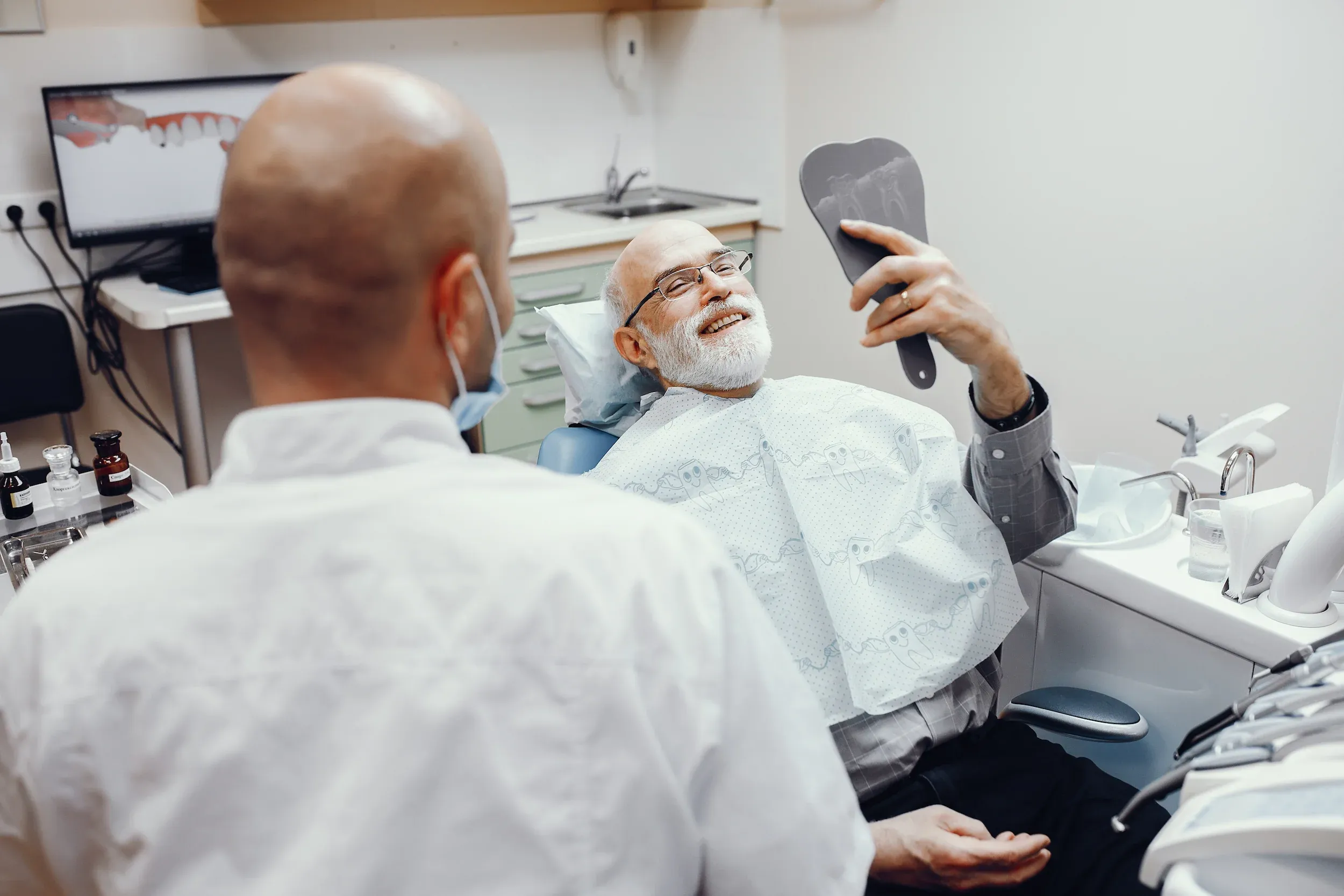
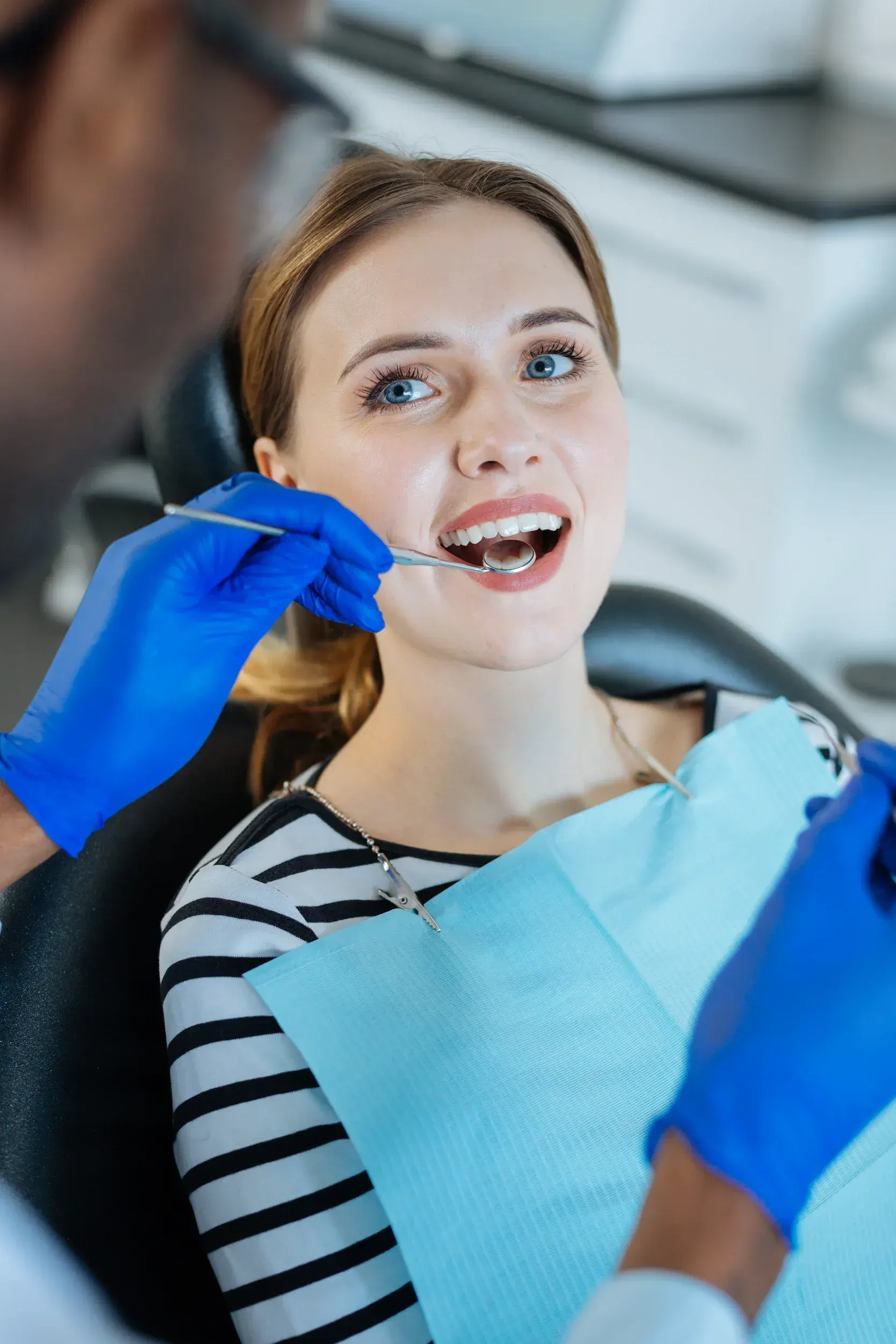
Your dentist visually inspects the lips, gums, tongue (top, sides, and underside), cheeks, hard and soft palate, tonsils, and the back of the throat under good lighting, then gently palpates the floor of the mouth, jaw, and neck lymph nodes to feel for lumps or hardened areas. The whole process takes just a few minutes and feels like a normal part of your check-up. If a suspicious area is found, photographs and notes are documented, and a follow-up exam or biopsy is arranged.
You can expect your dentist or one of our three DMD providers to systematically examine every soft-tissue surface, ask about new lumps, sores, numbness, or hoarseness, and review any tobacco, alcohol, or sun-exposure history. Screening happens at every routine visit, not only at your comprehensive new-patient exam, because changes can appear quickly.
Most screenings are reassuringly normal. When something looks atypical, we explain exactly what we see, often photograph it for comparison at your next visit, and refer for biopsy if the area persists beyond two weeks or has high-risk features. Early-stage oral cancers caught during routine screening have five-year survival rates above 80 percent, compared with under 40 percent for late-stage diagnoses.
Find changes when they are small, treatable, and highly survivable
Adds only a few minutes to your routine dental visit
Included at every exam, never billed as an add-on procedure
Stage I oral cancers have five-year survival rates above 80 percent
Know your tissues are checked twice a year, every year
Honest review of tobacco, alcohol, sun, and HPV risk factors
Compare Your Options
| Approach | Mechanism | Time | Detects | Cost | Discomfort | Best For |
|---|---|---|---|---|---|---|
| Visual and Tactile Screening | Direct exam and palpation | 2 to 5 minutes | Visible and palpable changes | Included at every visit | None | All adults at every exam |
| Adjunctive Light Devices | Fluorescence highlights tissue | 5 to 10 minutes | Subtle tissue differences | Often $40 to $100 add-on | None | Higher-risk patients |
| Brush or Scalpel Biopsy | Tissue sample to lab | 10 to 20 minutes | Definitive cancer diagnosis | Insurance dependent | Mild | Suspicious lesions over 2 weeks |
| Self-Check at Home | Mirror and finger exam | 1 to 2 minutes | Obvious sores or lumps | Free | None | Monthly between dental visits |
Recommended for Every Adult
Routine oral cancer screening is recommended for every adult patient as part of a regular dental visit, regardless of risk profile. Certain groups benefit even more from consistent twice-yearly checks.
According to the Centers for Disease Control and Prevention, any of these signs lasting more than two weeks should be evaluated promptly. Call East Ellijay Dental at (706) 635-2218 if you notice changes between visits.
Your dentist reviews your tobacco, alcohol, sun, and HPV history along with any new symptoms.
Lips, cheeks, tongue, palate, gums, and throat are checked under bright operatory lighting.
Floor of mouth, jaw, and neck lymph nodes are gently palpated for lumps or firm tissue.
Anything unusual is photographed and noted in your chart for comparison over time.
Normal findings are explained, suspicious areas are rechecked in two weeks or biopsied.
What to Know
A visual and tactile oral cancer screening is non-invasive and has no physical side effects. You may briefly feel a finger pressing gently along your jaw or neck, but the screening itself is painless and requires no anesthetic.
No screening method catches 100 percent of early lesions. Some early oral cancers can hide under the tongue, deep in the throat, or beneath normal-looking surface tissue. That is why screening is repeated at every dental visit rather than once a year, and why patients are taught to report any sore or lump lasting more than two weeks. A negative screening today does not replace the need for follow-up at your next routine visit.
If a suspicious area is found, our doctors and the team at East Ellijay Dental will document it carefully, recheck in two weeks if it appears benign, and refer you to a trusted oral surgeon or ENT for biopsy if it persists or has high-risk features. We coordinate with specialists across North Georgia to make sure follow-up is fast and reassuring.
At East Ellijay Family & Cosmetic Dentistry, oral cancer screening is included as a standard part of every routine dental visit at no separate charge. There is no add-on fee for the visual and tactile exam during your regular cleaning, comprehensive exam, or periodic check-up.
Because screening is bundled into your regular dental visit, it is covered under your routine exam benefit. East Ellijay Dental is in-network with Delta Dental and accepts most PPO plans, and we verify your benefits before each visit so there are no surprises.
Ellijay's Trusted Provider
Included at every dental appointment, not only comprehensive exams
Dr. Settel, Dr. Sosebee and Dr. Dillard all trained in early detection
We photograph and track any suspicious areas for clear comparison over time
Trusted oral surgeon and ENT referrals across North Georgia if biopsy is needed
Routine preventive care that pairs naturally with oral cancer screening.
Your Questions Answered
We screen at every routine dental visit, which is typically every six months. That means twice-yearly screening for most patients in Ellijay, and more often if you have specific risk factors.
No. At East Ellijay Family & Cosmetic Dentistry, an oral cancer screening is included at every dental visit, not only your comprehensive new-patient exam. Each cleaning and check-up includes the same thorough soft-tissue evaluation.
Not at all. It is a quick visual exam combined with gentle palpation of your jaw and neck. There are no instruments inserted, no anesthetic needed, and the whole process takes only a few minutes.
Look for sores that do not heal within two weeks, red or white patches, lumps you can feel with your tongue, unexplained bleeding, numbness, or a persistent hoarse voice. Call us if you notice any of these between visits.
No. The screening is included in your existing dental visit at no extra charge. There is no need to book a separate appointment unless you notice a specific symptom you want evaluated sooner.
Tobacco use of any form, heavy alcohol consumption, sun exposure on the lips, HPV infection, and age over 40 all raise risk. Our doctors and team review your risk factors as part of your screening and tailor follow-up accordingly.
We will explain exactly what we see, photograph the area for comparison, and either recheck it in two weeks or refer you for a biopsy with a trusted specialist if it persists or has higher-risk features.