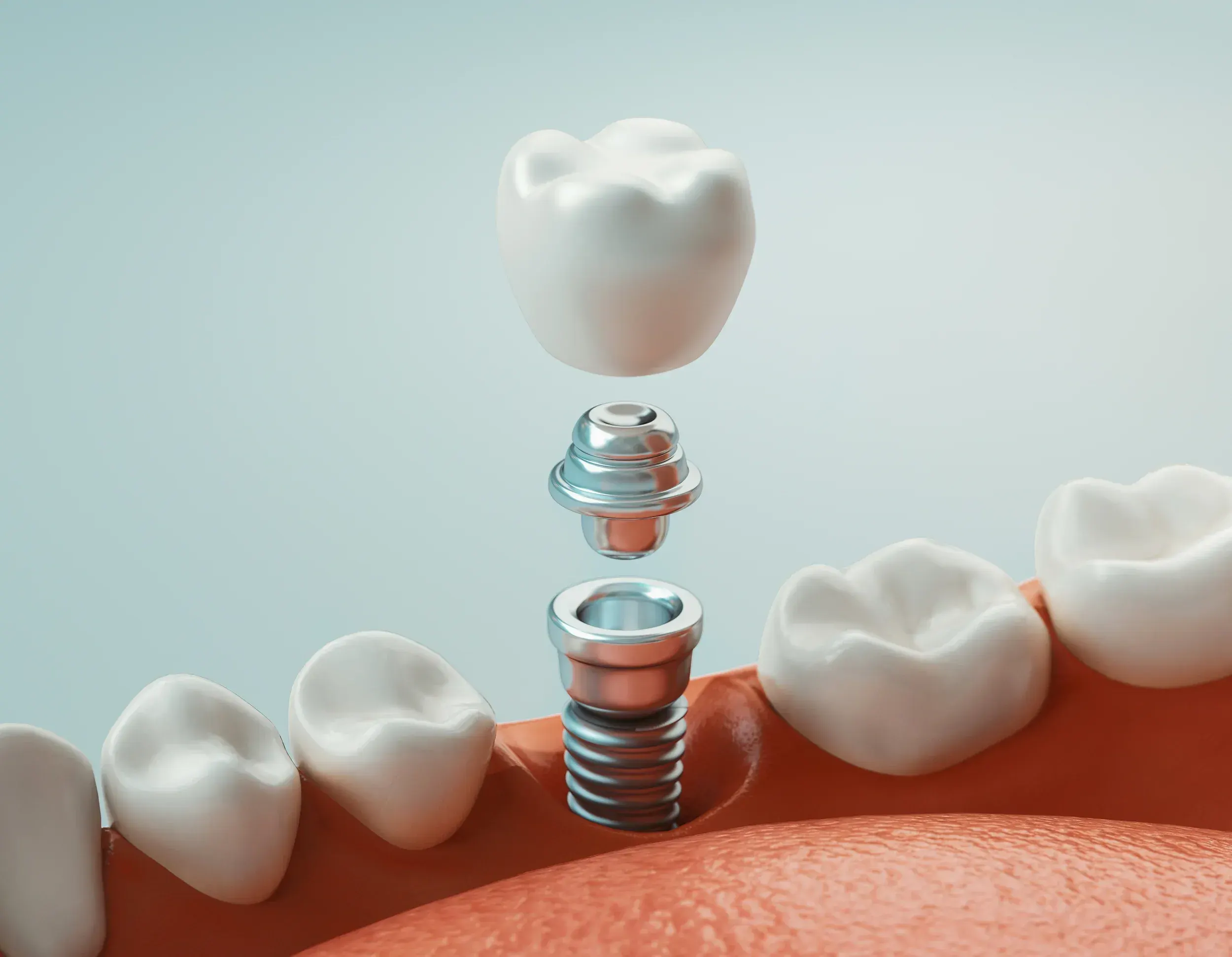
First Permanent Molars
Sealed around age 6 as they erupt for early lifetime protection
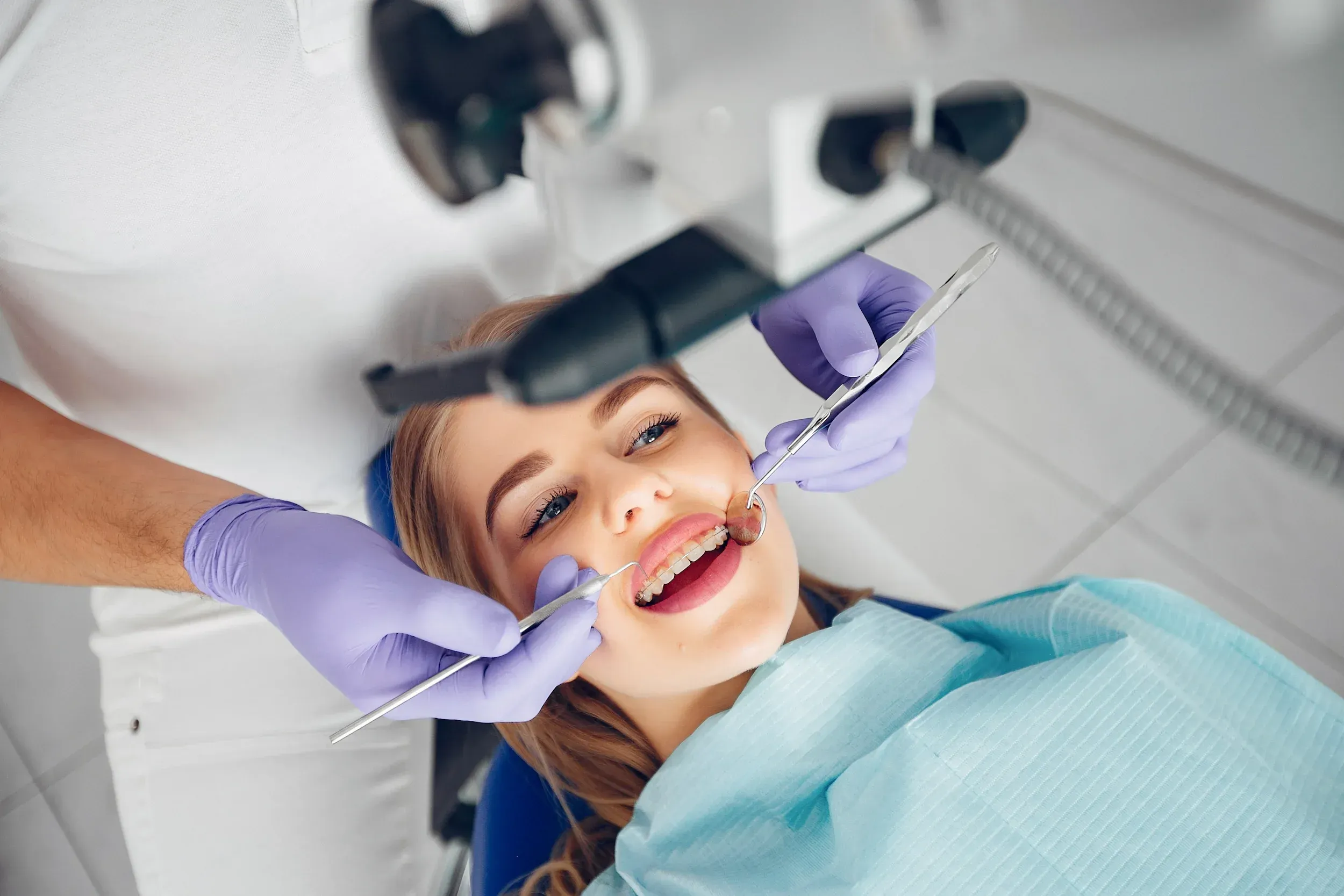
Preventive and General Dentistry
Protective coatings that block cavities
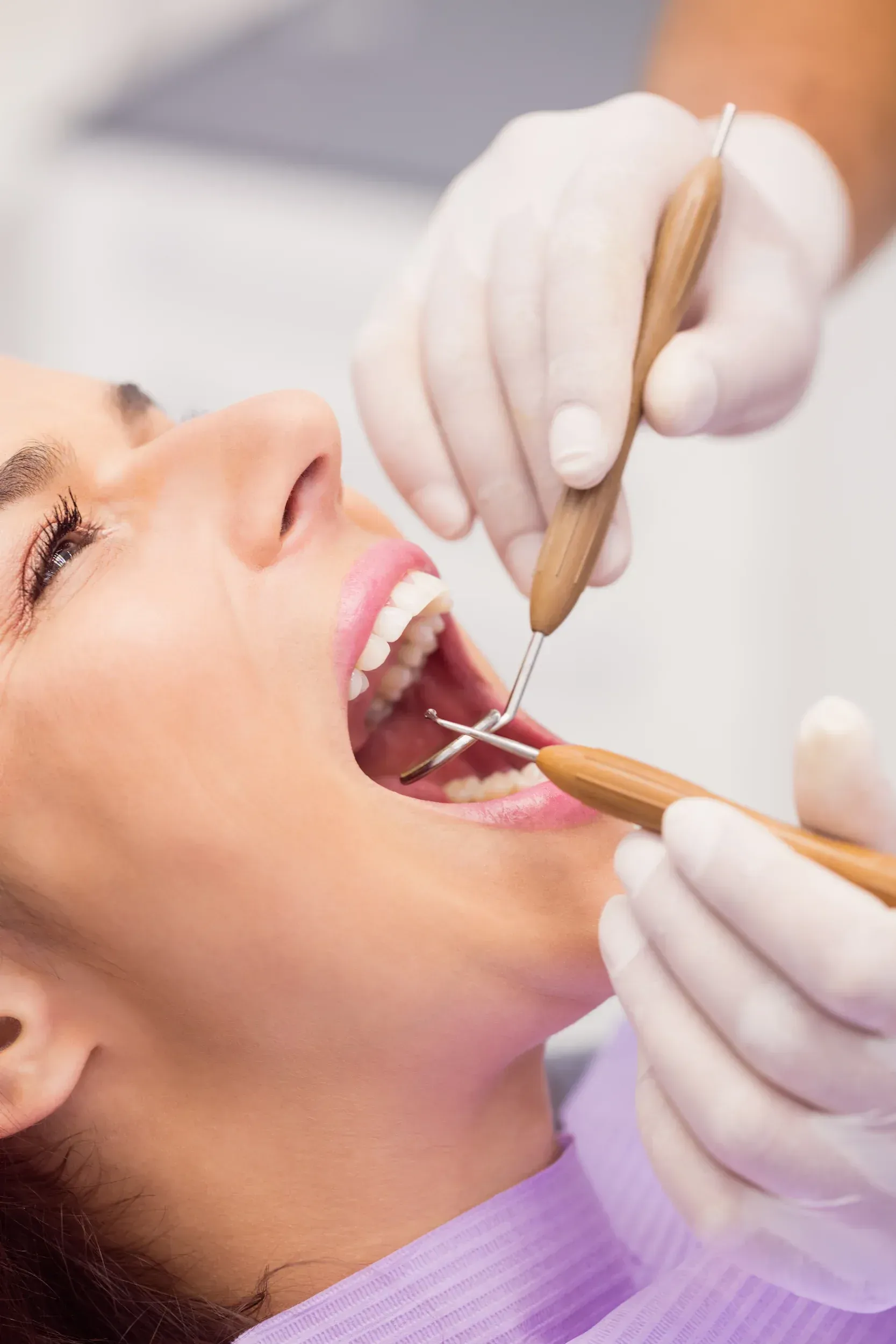
Understanding Childhood Cavity Risk
The chewing surfaces of permanent molars have deep pits and grooves, called fissures, that are narrower than a single toothbrush bristle. Food and plaque settle into these crevices and resist even careful brushing. Children and teens are at the highest risk: their oral hygiene is still developing, snacks and sugary drinks are constant, and newly erupted molars have softer enamel that takes years to fully harden. By the time a parent notices a small dark spot or their child complains of sensitivity, a cavity has often already formed in the deepest part of the groove.
A dental sealant fills in those deep grooves with a smooth, glass-like resin barrier that bacteria and food cannot penetrate. The surface becomes easy to brush, and the natural pit-and-fissure trap is eliminated. Placement is fast, painless, and requires no numbing or drilling. Once cured under a special light, the sealant bonds tightly to enamel and quietly protects each molar through the highest-risk cavity years. Most parents are surprised that something so simple can prevent up to 80 percent of cavities in the back teeth.
The Science of Pit and Fissure Sealing
Dental sealants are thin plastic resin coatings applied to the chewing surfaces of premolars and molars to physically block bacteria and food debris from entering the deep grooves where cavities most often start. According to the American Dental Association, sealants are a safe, effective, and well-established preventive measure first introduced in the 1960s.
Sealants work by physically barricading the natural pits and fissures (the deep, narrow valleys on chewing surfaces) so plaque cannot settle in and acid cannot reach the enamel. The Centers for Disease Control and Prevention reports that school-age children without sealants have nearly three times more cavities in their first molars than children with sealants, and that sealants prevent 80 percent of cavities for two years and continue to protect against 50 percent for up to four years and beyond.
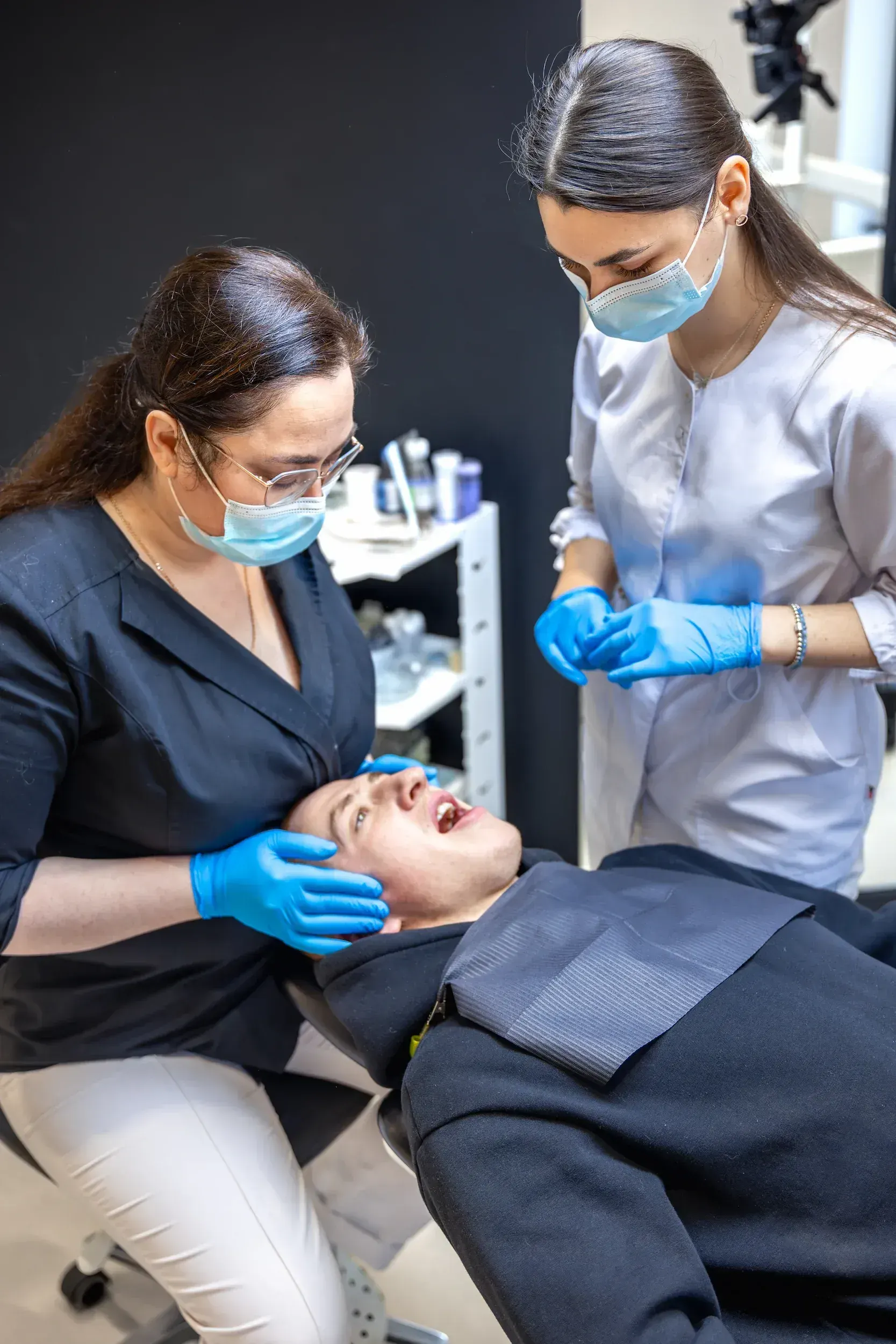
The visit is short and completely comfortable. Each tooth is cleaned, conditioned with a mild gel, rinsed, and dried. The liquid sealant is painted into the grooves and hardened with a curing light in seconds. There are no shots, no drilling, and no recovery. Sealants pair well with our fluoride treatments for layered cavity prevention.
A properly placed sealant typically lasts 5 to 10 years before partial wear may call for a touch-up. Your dentist checks every sealant at each routine dental exam and reapplies as needed.
CDC data shows up to 80 percent fewer cavities in sealed molars
No drills, shots, or numbing required at any step
Most full-mouth sealant visits finish in under 30 minutes
Typically protect teeth for 5 to 10 years with checkups
Far less costly than filling, crowning, or restoring a future cavity
Quick, easy visits build positive dental experiences early
Compare Your Options
| Treatment | Mechanism | Time | Results | Duration | Downtime | Best For |
|---|---|---|---|---|---|---|
| Dental Sealants | Resin barrier seals grooves | 15-30 minutes | Up to 80 percent fewer cavities | 5-10 years | None | Cavity prevention in molars |
| Fluoride Treatments | Strengthens enamel surface | 5-10 minutes | Harder, decay-resistant enamel | 3-6 months | None | Whole-mouth cavity prevention |
| Tooth-Colored Fillings | Repairs existing decay | 30-60 minutes | Restored tooth structure | 10-15 years | Brief numbing wears off | Cavities already present |
Finding Your Best Cavity Defense
Dental sealants offer the most benefit to patients who have deep pits and grooves and are at higher risk for cavities, especially children and teens. According to the American Academy of Pediatric Dentistry, sealants are recommended for primary and permanent molars based on the patient's individual risk.
Your dentist evaluates each tooth at the routine exam and recommends sealants only where they will provide real protective benefit. If decay is already present, our tooth-colored fillings may be the better solution.
Your dentist or our hygienist polishes each molar to remove plaque and debris before placement.
A mild etching gel is applied for a few seconds to create a microscopic bonding surface, then rinsed off.
Cotton rolls or a dental dam keep the tooth completely dry, which is critical for a strong, long-lasting seal.
Your dentist paints the liquid resin into each pit and fissure and shapes it to a smooth surface.
A blue curing light hardens the sealant in seconds, then your dentist checks the bite and polishes the surface.
What to Know
Side effects are rare and minor. A small number of patients report a slightly different bite feeling for a day or two as they get used to the smoother chewing surface. Some children mention a brief unfamiliar taste during placement that fades within minutes. These typically resolve within 24 to 48 hours.
Allergic reactions to dental resin are extremely uncommon, with reported incidence under 1 percent in the literature. Sealants can occasionally chip or wear away early if a patient chews ice or sticky candy, in which case the sealant is simply touched up at the next visit. There is no clinical evidence linking modern dental sealants to systemic health concerns.
The resin materials used in modern dental sealants are FDA cleared and have been used safely for decades. According to the National Institute of Dental and Craniofacial Research, sealants are a safe, effective public health measure. Dr. Settel's Fellowship-level training in preventive dentistry ensures proper isolation, etching, and curing technique on every tooth so the bond is reliable and the material is fully cured before your child leaves the chair.
Dental sealants are one of the most affordable preventive treatments in dentistry. In the East Ellijay and Ellijay, GA area, sealants typically range from $40 to $70 per tooth, with most children needing between 4 and 8 molars sealed depending on age. Final cost depends on the number of teeth treated, your insurance plan, and whether sealants are placed at the same visit as a cleaning. Exact pricing will be discussed at your child's appointment based on their individual needs.
The good news for parents: most dental insurance plans, including Delta Dental, cover sealants on permanent molars for children and teens at little to no out-of-pocket cost. We are in-network with Delta Dental and will verify your benefits before the visit so you know exactly what to expect. Adult sealants may have different coverage rules, which we are happy to confirm in advance.
For families with limited insurance coverage, we offer financing through trusted partners.
For questions about pricing or financing, contact our team at (706) 635-2218 or speak with your dentist about layering sealants with other preventive care.
North Georgia's Trusted Family Practice
We work with children from their very first visit through the teenage years
Dr. Settel holds FAGD, a credential earned through advanced continuing education
Sealants can often be placed at your child's regular cleaning visit
Delta Dental in-network and most plans cover pediatric sealants
Complement sealants with our other preventive and restorative care.
Your Questions Answered
Dental sealants are thin resin coatings painted onto the chewing surfaces of back molars. They fill the deep grooves where food and bacteria collect, creating a smooth, easy-to-clean barrier that helps prevent cavities for years.
Most sealants last 5 to 10 years before any touch-up is needed. Your dentist checks each one at every six-month exam and reapplies any that have chipped or worn so protection stays continuous.
Yes. Most dental plans, including Delta Dental, cover sealants on permanent molars for children and teens at little to no cost. We verify your benefits before the visit so you have no surprises at checkout.
We typically place sealants on first permanent molars around age 6 and second molars around age 12, as soon as each tooth fully erupts. This timing protects molars during the highest cavity-risk years.
Not at all. There are no shots, no drilling, and no numbing involved. Your child will feel a cool gel, a small brush, and a blue curing light. The entire process is quick and completely comfortable.
Absolutely. Sealants pair perfectly with our fluoride treatments, routine teeth cleaning, and comprehensive dental exams for layered protection against cavities at every visit.
Yes. Adults with deep molar grooves, no existing decay, and a higher cavity risk can benefit from sealants too. Your dentist will evaluate whether sealants are right for your individual situation.