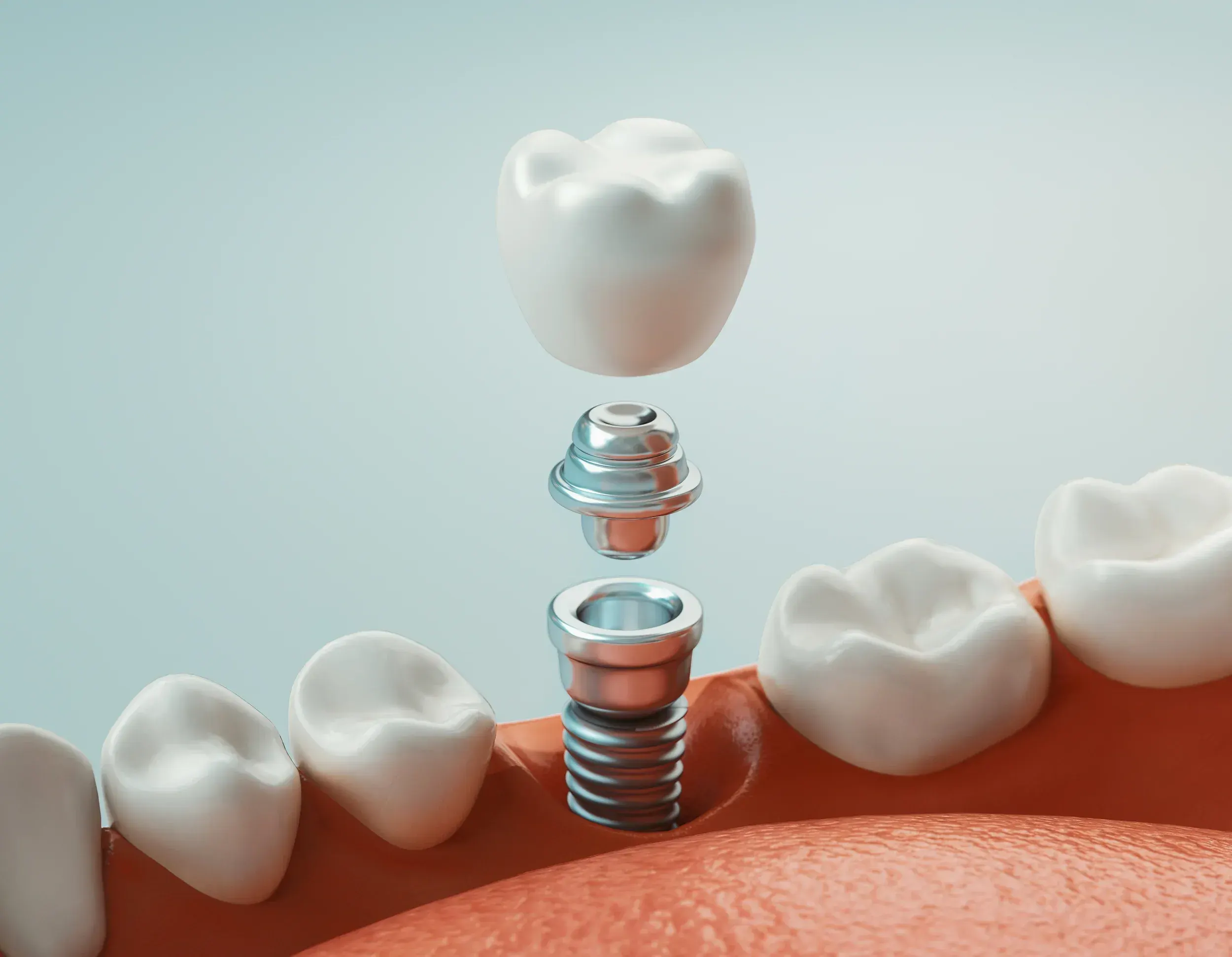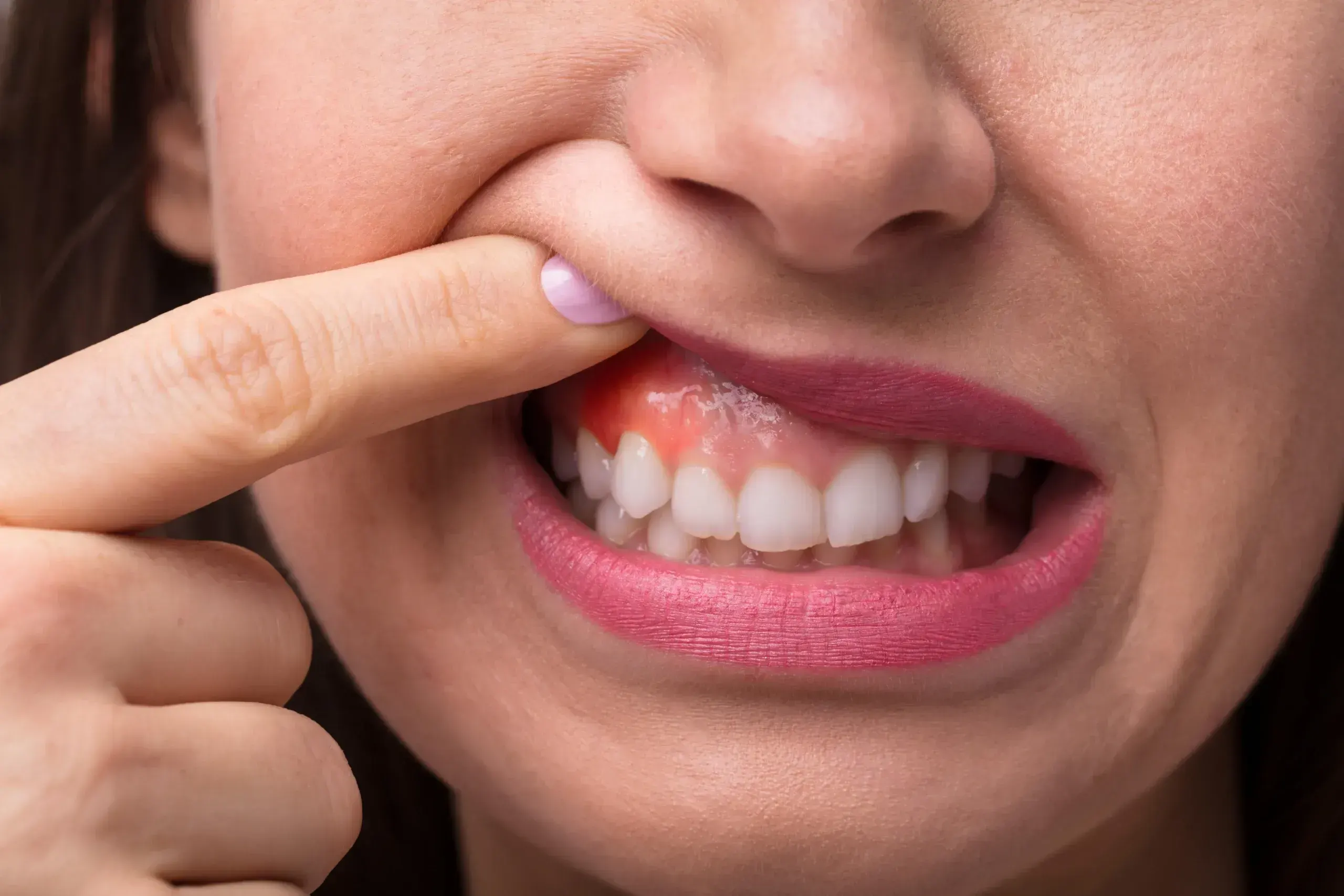
Enamel Erosion
Acidic foods, sodas, citrus, and acid reflux gradually dissolve the protective enamel layer, exposing the dentin underneath.

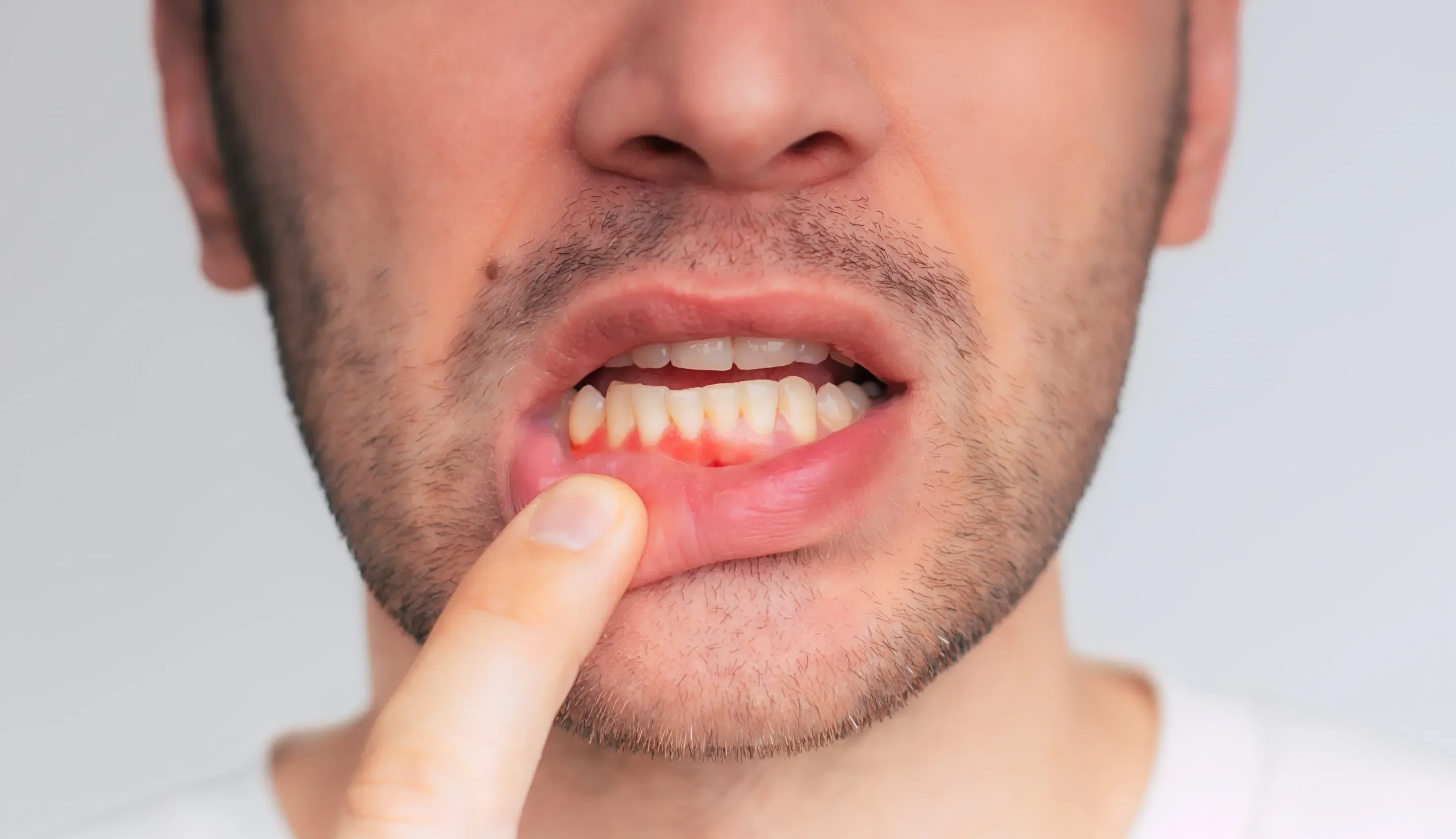
Conditions We Treat
Find Lasting Relief from Sharp Tooth Pain

Recognizing the Signs
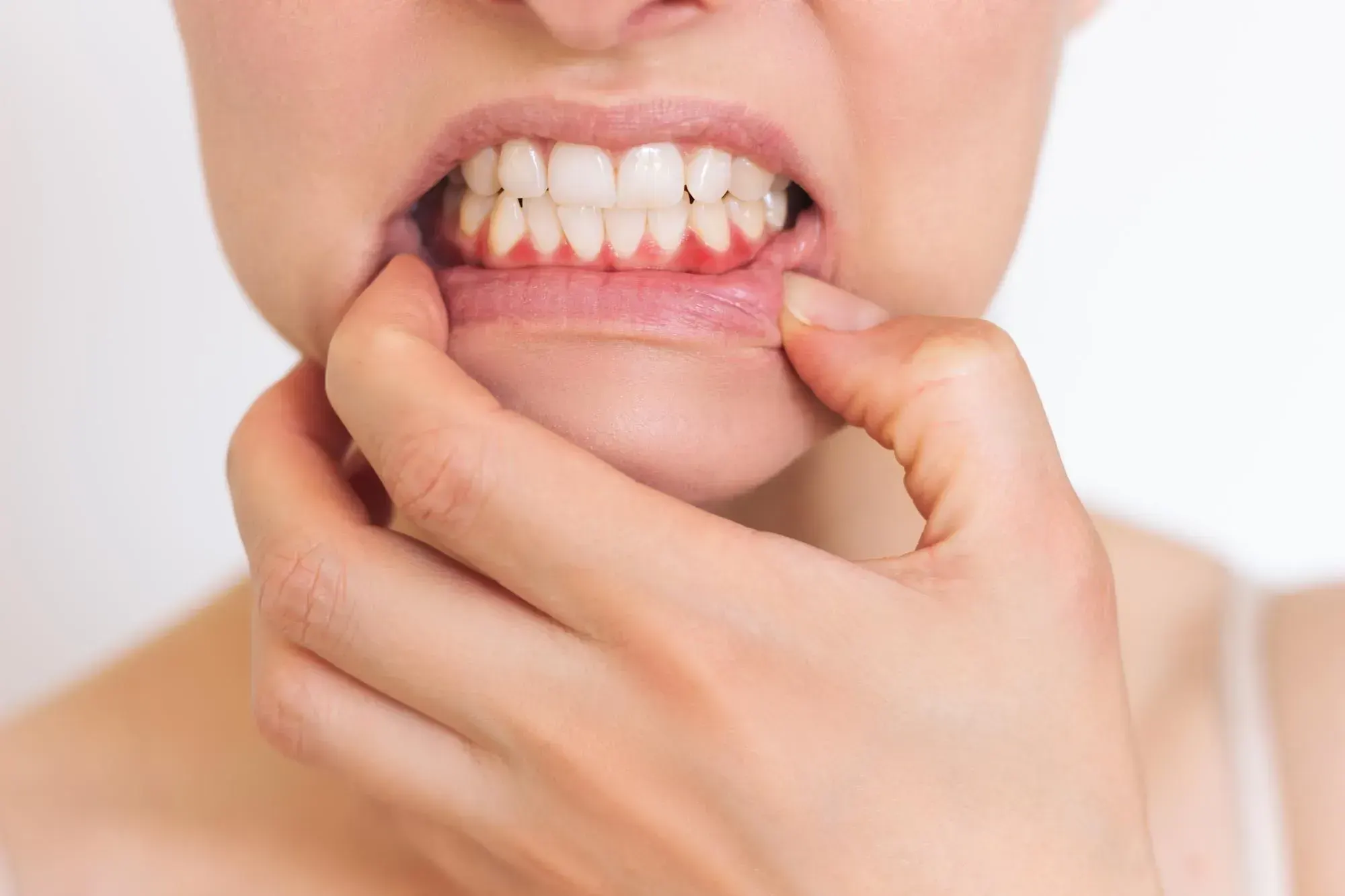
Tooth sensitivity in East Ellijay, GA, clinically called dentin hypersensitivity, is a short, sharp pain that occurs when the protective enamel wears down or gums recede, exposing the inner dentin layer of the tooth and its microscopic tubules that connect directly to the nerve.
When you sip iced tea on a hot Gilmer County afternoon, take a bite of ice cream, or breathe in cool mountain air, that sudden electric jolt is your nerve responding to stimuli traveling through these exposed tubules. Many patients describe it as a quick zing that fades within seconds.
At East Ellijay Family & Cosmetic Dentistry, we help patients across East Ellijay, Ellijay, Blue Ridge, and Jasper, GA identify the underlying cause and restore comfort so simple pleasures like coffee, citrus, and cold drinks no longer trigger pain.

Understanding the Root Causes
Healthy teeth have a hard outer enamel shell that protects the softer dentin underneath. When that enamel is worn away by acidic foods, aggressive brushing, or grinding, the dentin and its thousands of microscopic tubules become exposed. Each tubule contains fluid that shifts in response to temperature, pressure, or sweetness, which stimulates the nerve inside the pulp.
According to the American Dental Association, this hydrodynamic theory explains why even a brief stimulus can produce sharp, brief pain. The more tubules exposed and the wider their openings, the more intense the sensation.
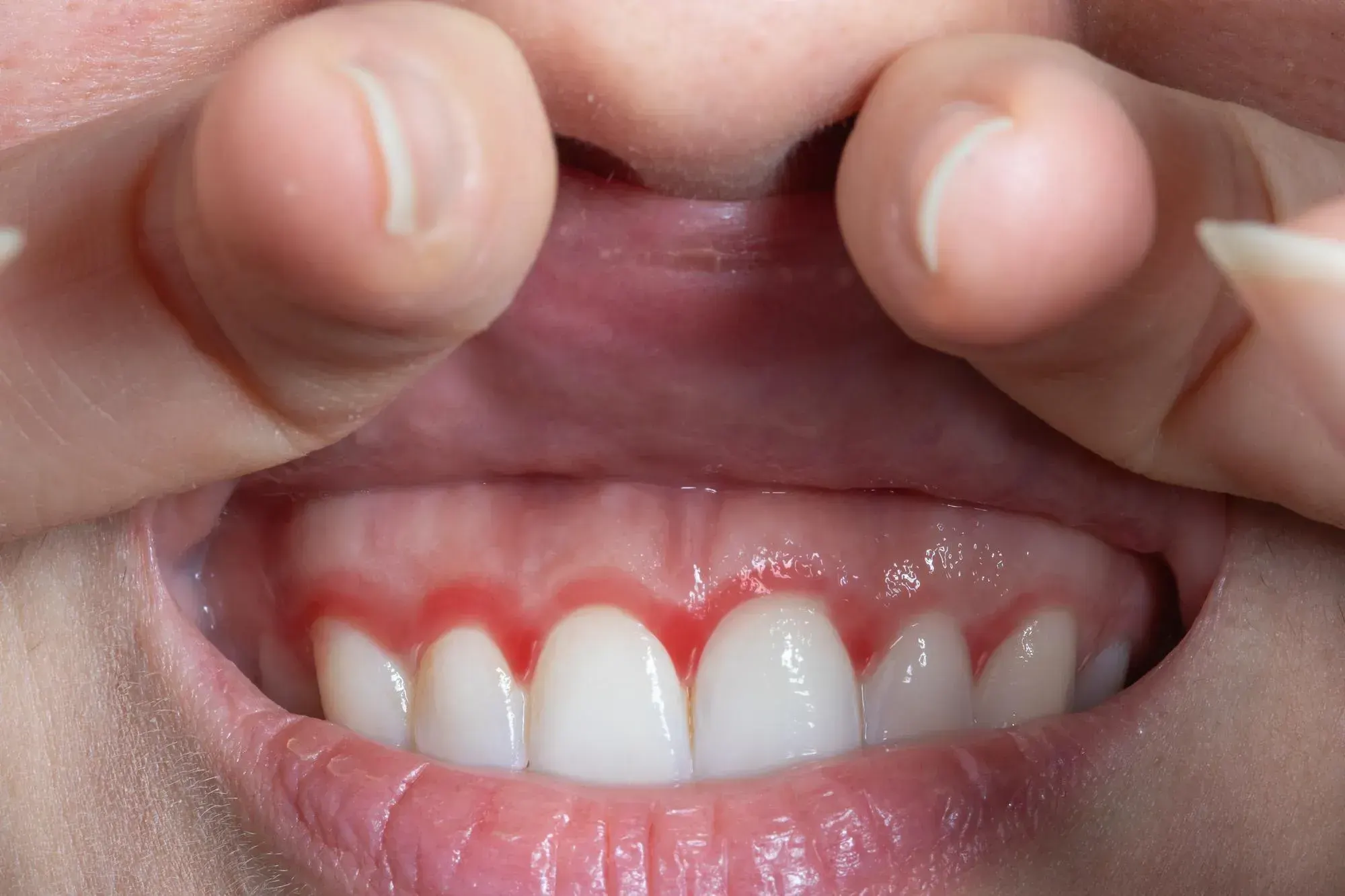
Gum recession compounds the problem because tooth roots are covered by cementum, not enamel, making them especially vulnerable. Restoring comfort often begins with a comprehensive dental exam to identify the specific trigger and rule out cavities or cracks.
How Structural Loss Affects Comfort
Enamel is the most mineralized tissue in the human body, made primarily of hydroxyapatite crystals. Once it erodes, the body cannot regenerate it. Beneath this protective layer sits dentin, a porous tissue laced with tubules that lead directly to the pulp chamber where nerves and blood vessels live.
Research summarized by the National Institutes of Health shows that exposed dentin can have up to 30,000 tubules per square millimeter, and wider tubule diameters correlate directly with more intense sensitivity symptoms.
Acid erosion from soda, sports drinks, citrus, and even acid reflux gradually thins enamel and widens these tubules. Combined with abrasive brushing or untreated decay, the protective barrier weakens further. Targeted fluoride treatments can remineralize weakened enamel and occlude open tubules to interrupt the pain signal.
Expert Care in East Ellijay
Finding Your Best Approach
| Treatment | Best For | Session Time | Results Timeline | Maintenance |
|---|---|---|---|---|
| Comprehensive Dental Exams | Pinpointing the cause | 45-60 min | Same visit | Every 6 months |
| Fluoride Treatments | Mild to moderate sensitivity | 10-15 min | Within 1-2 weeks | Every 3-6 months |
| Tooth-Colored Fillings | Decay or worn enamel notches | 30-60 min | Immediate | 5-10 years |
| Dental Crowns | Cracked or severely worn teeth | Two visits | Immediate after seating | 10-15 years |
Recognizing When to Seek Help
Explore the in-office treatments we use to relieve tooth sensitivity.
About Tooth Sensitivity
Sudden sensitivity often points to a specific trigger: new gum recession, a small crack, a developing cavity, recent whitening, or enamel erosion from acidic foods and drinks. An exam can identify the exact source so we can match the right treatment.
Many patients achieve lasting relief once we treat the underlying cause. Fluoride applications, desensitizing agents, fillings, or crowns can resolve sensitivity for years, though new triggers may emerge over time and may need follow-up care.
Options range from in-office fluoride treatments and prescription-strength desensitizing toothpaste to bonded fillings or crowns when decay or fractures are involved. Your dentist will recommend the most conservative effective option for your situation.
Sometimes. Sharp, brief pain from cold or sweets can come from exposed dentin without decay, but lingering pain or pain when biting often indicates a cavity, crack, or failing restoration that needs prompt evaluation.
Yes. Cool mountain air in Blue Ridge or Ellijay can trigger sensitivity in exposed roots, and seasonal changes in saliva production may temporarily reduce the buffering that normally protects enamel.
If sensitivity lasts more than a few days, worsens with biting, or interferes with eating and drinking, schedule an exam. Early evaluation prevents small problems from progressing to root canals or extractions.