Severe Decay
Removes teeth too damaged for fillings, crowns, or root canal therapy


Specialty Dental Services
Safe, comfortable removal when it is the right choice
Knowing When Removal is Right
A failing tooth rarely stays quiet for long. You may notice throbbing pain that wakes you at night, a tooth that has cracked below the gum line, swelling that radiates into your jaw, or a wisdom tooth pressing against neighbors and crowding your bite. Severe decay, advanced gum disease, and infection can all reach a point where saving the tooth is no longer realistic, and waiting only puts surrounding bone and teeth at greater risk. Patients often feel worried about pain, time off work, and what comes next for that space.
Tooth extractions remove the source of pain and infection in a single, well-planned visit. Our team uses digital imaging to map the tooth and roots, then applies thorough local anesthesia and, when appropriate, sedation to keep you relaxed. Simple extractions take about 20 to 30 minutes; surgical removals run longer but follow the same calm rhythm. Most patients return to light activities within 24 to 48 hours, and we walk through replacement options like dental implants at the same visit so you leave with a clear plan.
The Science of Safe Tooth Removal
A tooth extraction is the controlled removal of a tooth from its bony socket within the upper or lower jaw. According to the American Dental Association, extractions are typically recommended when a tooth is too damaged by decay, fracture, or periodontal disease to be saved, or when it is impacted or crowding the bite.
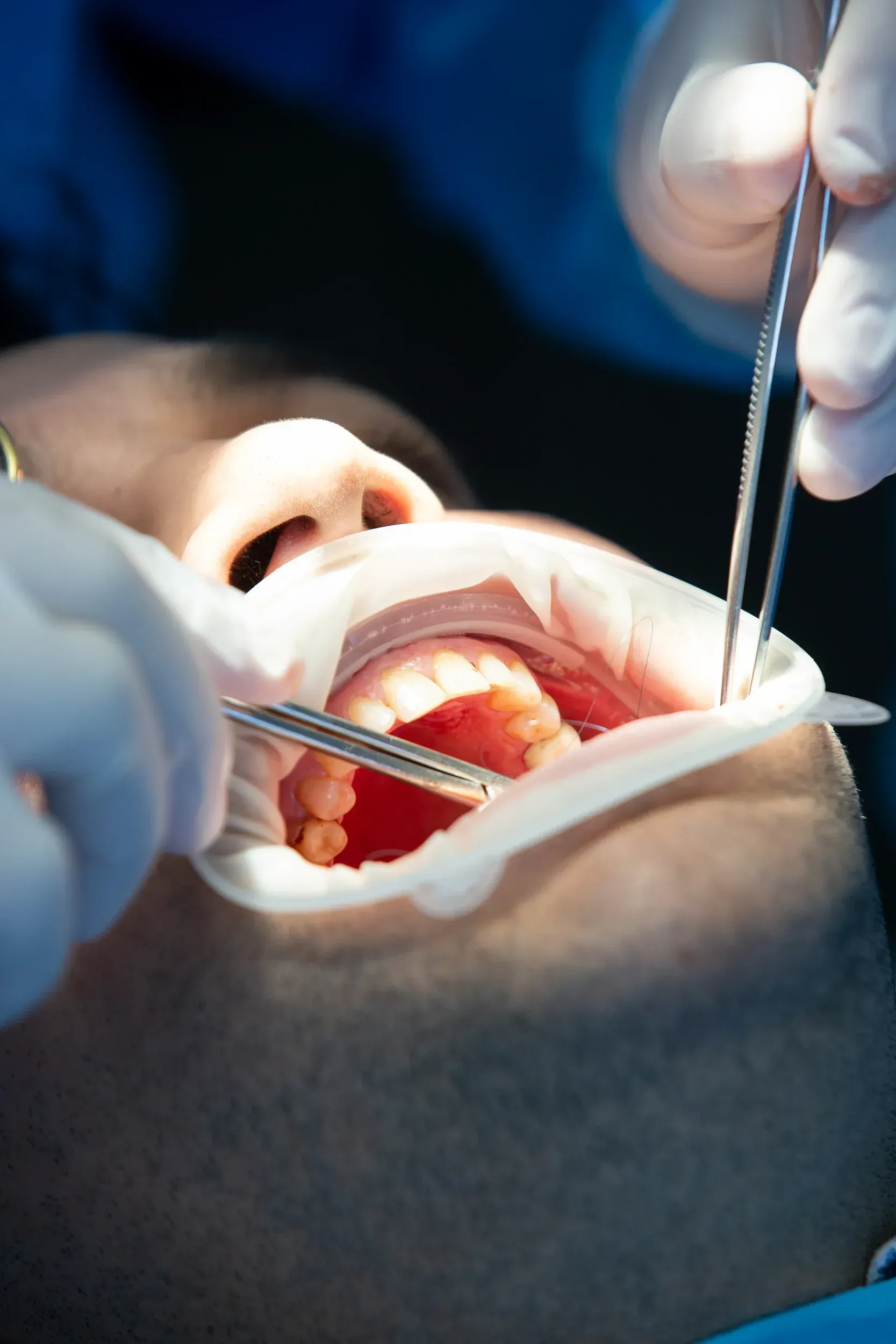
Simple extractions loosen the tooth using gentle pressure with an elevator, then lift it out with forceps once the periodontal ligament releases. Surgical extractions, often used for wisdom teeth or fractured roots, involve a small incision in the gum and, in some cases, sectioning the tooth to remove it in pieces. The American Association of Oral and Maxillofacial Surgeons notes that careful surgical technique helps preserve surrounding bone for future restorations.
You are numbed thoroughly before any instrument touches the tooth, and most patients only feel pressure, not pain. Your dentist or one of our doctors checks in with you throughout, and we share each step out loud so nothing comes as a surprise.
A blood clot forms in the socket within minutes, and the gum tissue closes over the site across 1 to 2 weeks. Bone remodeling continues underneath for several months, which is why timing of implants or bridges matters.
Eliminates the source of toothache, pressure, and infection in one visit
Stops decay and gum disease from spreading to healthy neighbors
Local anesthesia plus optional sedation keeps you calm and pain-free
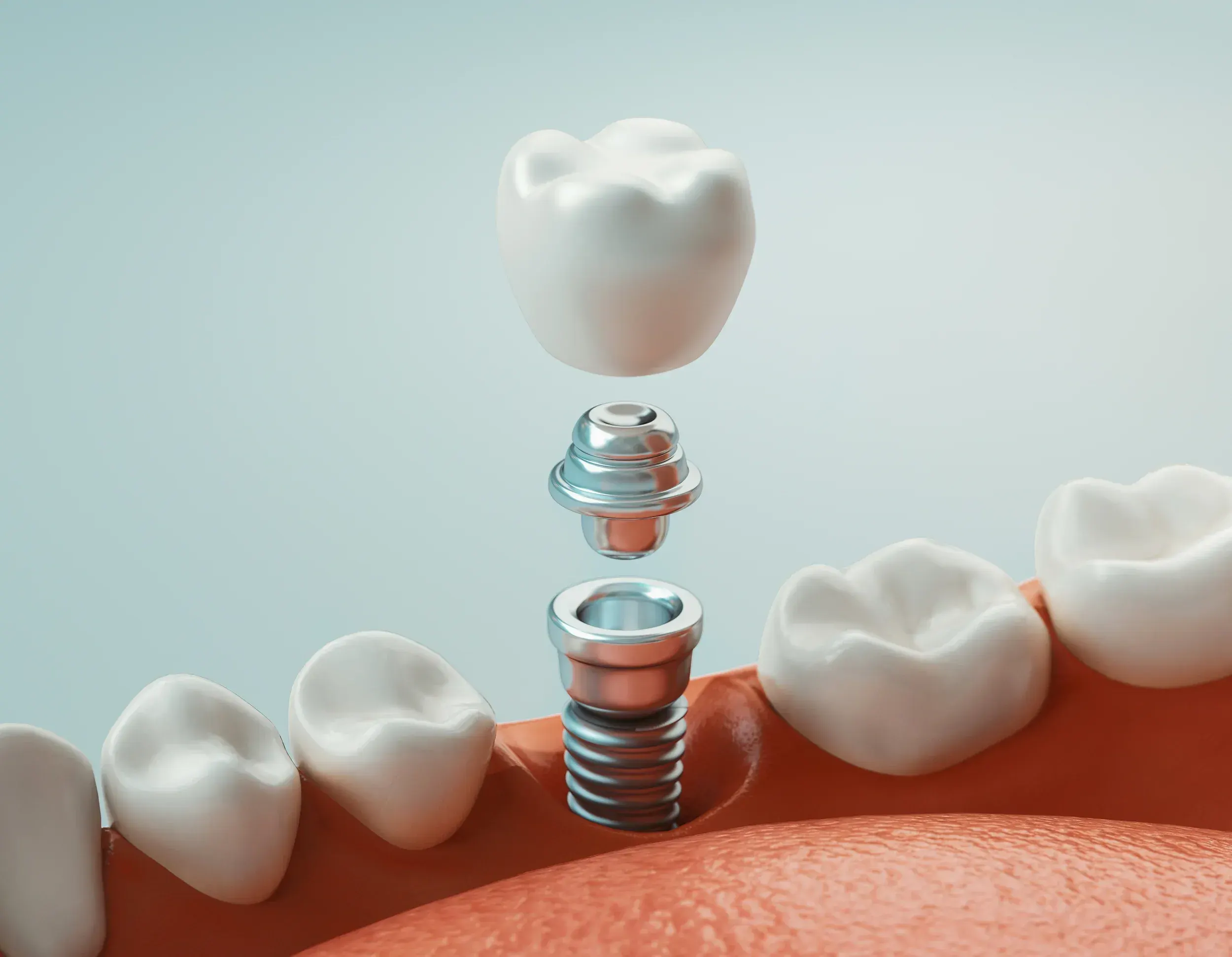
We map out replacement options like implants or bridges at the same visit
Delta Dental in-network coverage plus CareCredit and Cherry financing
Most patients return to light activities within 24 to 48 hours
Compare Your Options
| Treatment | Mechanism | Time | Results | Duration | Downtime | Best For |
|---|---|---|---|---|---|---|
| Tooth Extraction | Removes tooth from socket | 20-60 minutes | Pain and infection resolved | Permanent removal | 24-48 hours | Unsalvageable, infected, or impacted teeth |
| Root Canal + Crown | Clears infected pulp, caps tooth | 2 visits, 60-90 min each | Tooth restored and protected | 10-15+ years | Minimal, light soreness | Infected but structurally sound teeth |
| Dental Implant | Titanium post replaces root | Months across stages | Full-function replacement tooth | Often lifetime | Several days per stage | Replacing a missing or extracted tooth |

Finding the Right Path Forward
Tooth extractions are appropriate when a tooth cannot be reliably saved or when removal protects the rest of your smile. Our doctors review your imaging, medical history, and goals before recommending extraction so you have a full picture of your options.
If you are unsure, our team can compare extraction with restorative options such as crowns or implants during your consultation, drawing on AAOMS guidance on safe surgical care.
Your dentist reviews your digital X-rays or 3D scan to plan the safest path for removal.
We apply topical gel, then thorough local anesthesia, with sedation available for anxious patients.
Using elevators and forceps, your dentist gently loosens the tooth and lifts it from the socket.
We clean and shape the socket, place sutures if needed, and stop bleeding with sterile gauze.
You leave with written instructions, contact info, and a plan for replacement if relevant.
What to Know
Most patients experience mild to moderate soreness, swelling, and minor bruising at the site, all of which typically resolve within 3 to 7 days. Light bleeding for the first 24 hours, jaw stiffness, and mild sensitivity in neighboring teeth are also common and usually fade within 1 to 2 weeks.
Dry socket (alveolar osteitis) develops in roughly 2 to 5 percent of routine extractions and up to 30 percent of impacted lower wisdom teeth removals, typically appearing 2 to 4 days post-op. Other uncommon risks include prolonged bleeding, infection requiring antibiotics, nerve irritation causing temporary numbness, and sinus communication with upper molar removals.
The American Dental Association and AAOMS outline well-established safety protocols for extractions. Our doctors' surgery and sedation training, along with digital imaging and sterile technique at every visit, helps minimize these risks. Complex impactions are referred to a trusted oral surgeon when that is the safest path.
Tooth extraction pricing in the East Ellijay and Ellijay area depends on complexity, location of the tooth, anesthesia type, and whether bone grafting is recommended to preserve the socket for a future implant.
Exact pricing will be discussed during your consultation based on imaging findings and your individual treatment plan.
East Ellijay Family and Cosmetic Dentistry is in-network with Delta Dental, and most dental plans cover a portion of medically necessary extractions. We submit claims on your behalf and explain your out-of-pocket portion before scheduling.
We make care accessible with two trusted financing partners.
Our team can also discuss combining an extraction with a future dental implant plan to help you budget the full restoration over time.
Ellijay's Trusted Dental Team
Our doctors' GP residencies included formal surgery and sedation training
Local anesthesia and sedation options for relaxed, pain-free care
We refer the most complex impactions to a trusted oral surgeon partner
Replacement options like implants are mapped out during your visit
Your Questions Answered
You should feel pressure but not sharp pain. We numb the area completely with local anesthesia, and sedation is available for anxious patients. Mild soreness afterward is normal and typically managed with over-the-counter pain relief.
Soft tissue closes over the socket in about 1 to 2 weeks, and most patients return to light activities within 24 to 48 hours. Underlying bone continues to remodel over several months, which is why implant timing is planned carefully.
For the first 24 hours, avoid straws, smoking, spitting, and vigorous rinsing, all of which can dislodge the clot and cause dry socket. Stick to soft foods, chew on the opposite side, and follow the written aftercare we send home with you.
Often yes, especially for visible or chewing teeth. We will discuss dental implants, bridges, and partial dentures at your visit so you can plan ahead.
Wisdom teeth are often impacted or angled, so they may require surgical extraction with a small incision. Your dentist handles many wisdom teeth in our East Ellijay office and refers the most complex impactions to a trusted oral surgeon.
Most plans, including Delta Dental, cover a portion of medically necessary extractions. We are in-network with Delta Dental, will verify your benefits, and offer CareCredit and Cherry financing for any remaining balance.
Call our office at (706) 635-2218 right away. Severe pain, swelling, or trauma may need same-day attention through our emergency dental treatment service.