Severe Tooth Pain
Throbbing or spontaneous pain caused by inflamed or infected pulp

Specialty Dental Services
Gentle, effective treatment to save your natural tooth
Understanding Pulp Infection
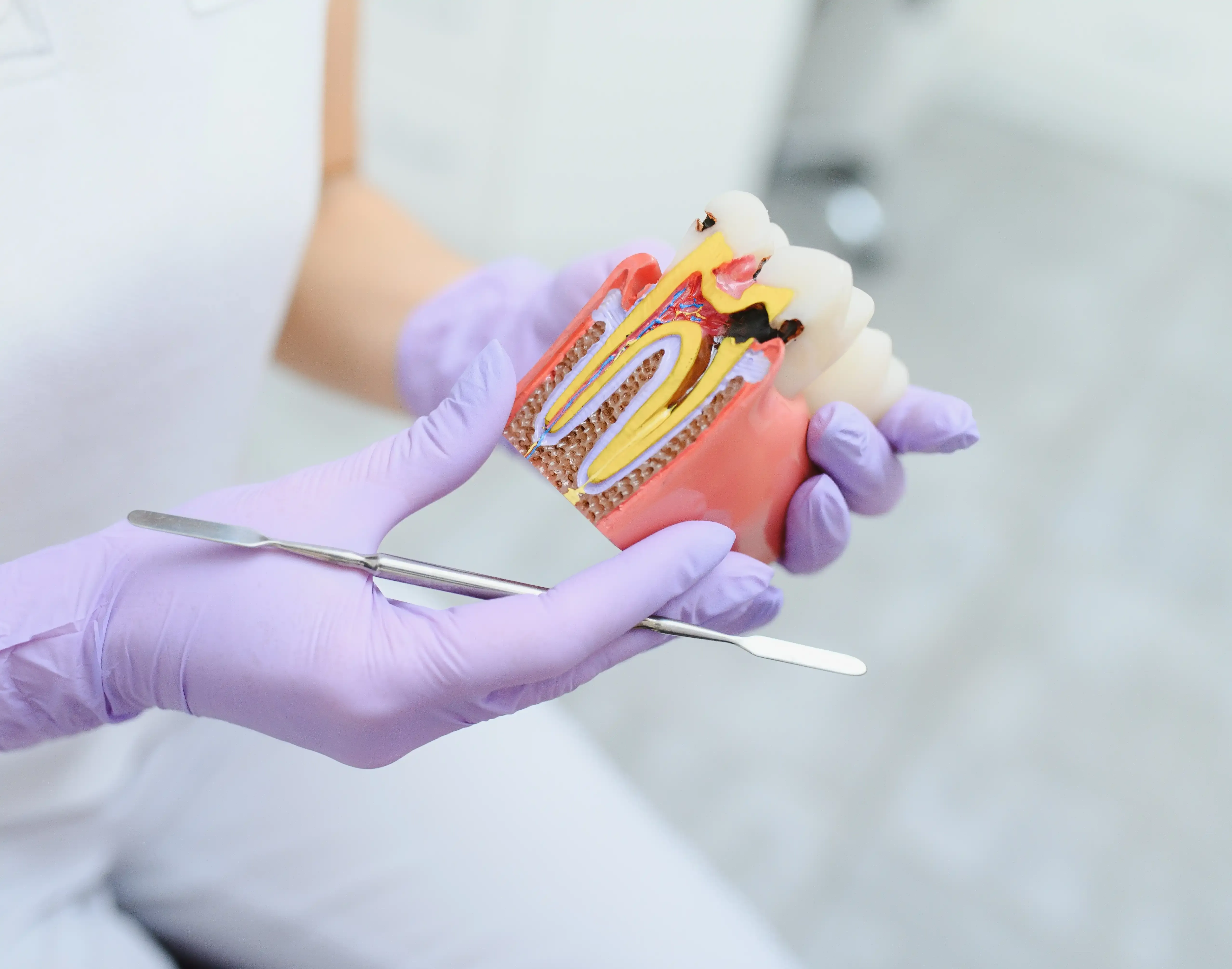
A throbbing toothache that wakes you at night, sharp pain when chewing, or lingering sensitivity to hot and cold long after the source is gone are all signs the inner pulp of a tooth is in trouble. Some patients notice a tender gum bump, darkening of the tooth, or a foul taste from a draining abscess. Left untreated, the infection can spread into the jaw bone and surrounding tissue, threaten neighboring teeth, and lead to facial swelling that becomes a true dental emergency.
Root canal treatment removes the infected nerve tissue, disinfects the inside of the tooth, and seals it against future bacteria. With today's rotary instruments, digital imaging, and effective local anesthesia, the procedure is comparable to having a routine filling placed. Most patients feel meaningful relief within 24 to 48 hours and resume normal eating after a final crown is placed. The natural tooth is preserved, your bite stays balanced, and surrounding teeth do not have to shift to compensate for an extraction.
The Science of Endodontic Therapy
A root canal, also called endodontic therapy, is a dental procedure that removes infected or inflamed pulp from inside a tooth, disinfects the canals, and seals the space to prevent reinfection. According to the American Association of Endodontists, this treatment saves more than 15 million natural teeth each year in the United States.
Each tooth contains a soft inner tissue called pulp that holds nerves, blood vessels, and connective tissue. When deep decay, a fractured tooth, repeated dental work, or trauma allows bacteria to reach the pulp, it becomes irreversibly inflamed or infected. During root canal therapy, your dentist uses tiny rotary files to clean the pulp from the canal system, irrigates with disinfecting solutions, then fills the canals with a biocompatible material called gutta-percha and seals the access with a temporary filling.
Treatment usually takes one or two visits. After numbing the area, your dentist isolates the tooth with a rubber dam, creates a small opening, cleans and shapes the canals, then seals them. Modern techniques and gentle anesthesia keep most patients comfortable throughout the visit.
Most teeth treated with root canal therapy last a lifetime when restored properly. A custom dental crown is placed a few weeks later to protect the tooth from fracture and restore full chewing strength. Published clinical research reports success rates above 90 percent over 8 to 10 years when treatment is completed and crowned promptly.
Eliminates the source of severe toothache, often within 1 to 2 days
Preserves your own tooth instead of extracting and replacing it
Prevents nearby teeth from shifting into an empty space
Well over 90 percent long-term success with proper restoration
Most cases completed in one or two visits with modern technology
Typically less expensive over time than extraction plus implant
Compare Your Options
| Treatment | Mechanism | Time | Results | Duration | Downtime | Best For |
|---|---|---|---|---|---|---|
| Root Canal + Crown | Clean and seal infected pulp, protect with crown | 2 visits | Saves natural tooth | Often lifetime | Minimal, 1-2 days soft foods | Restorable teeth with healthy roots |
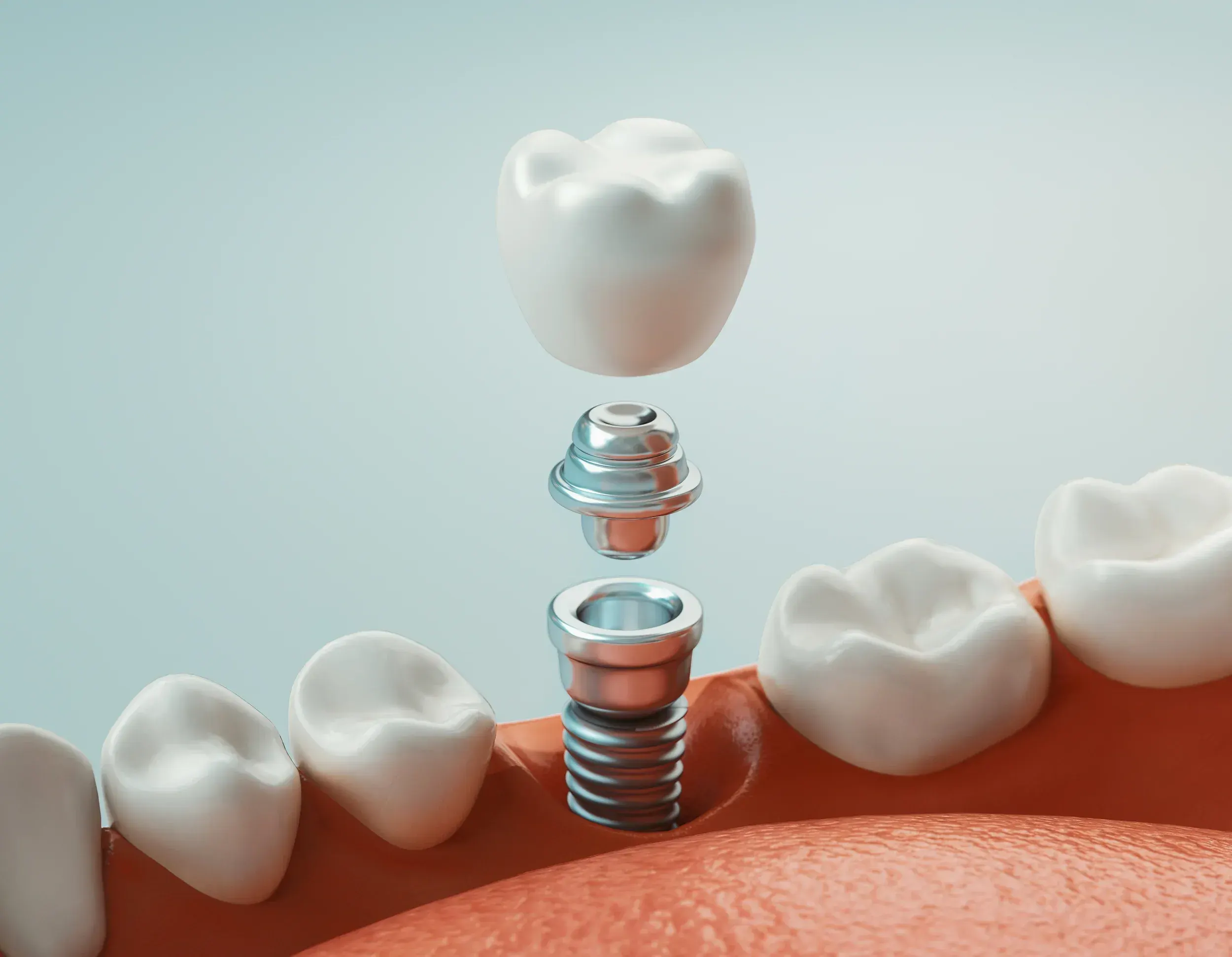
| Tooth Extraction + Implant | Remove tooth and place titanium implant with crown | 3-9 months total | Replacement tooth | Decades with care | Several days per stage | Non-restorable teeth, healthy bone |
| Tooth Extraction + Bridge | Remove tooth and bridge with crowned neighbors | 2-3 visits | Fixed replacement | 10-15 years average | Mild, 1-2 days | Patients not ready for implant surgery |
Finding Your Best Path to Relief
Root canal therapy is an excellent option for patients whose tooth structure can still be saved and restored, even when the inner nerve is damaged or infected. Your dentist reviews your symptoms, x-rays, and clinical exam before recommending treatment.
If a tooth is not restorable, we discuss tooth extraction and replacement options. For complex anatomy, we refer to a trusted endodontist so you always get the right level of care.
Your dentist reviews your symptoms, taps the tooth, and takes a digital x-ray to confirm pulp involvement.
Local anesthetic is placed gently so the tooth and surrounding gum are fully comfortable before any work begins.
Using a rubber dam and rotary files, your dentist removes infected pulp and disinfects each canal with antibacterial irrigation.
Canals are filled with biocompatible gutta-percha and the access opening is closed with a temporary filling.
A custom dental crown is placed a few weeks later to protect the tooth and restore full chewing strength.
What to Know
Mild tenderness when chewing on the treated tooth, slight gum soreness from the rubber dam, and short-term sensitivity for a few days are typical and usually resolve within 3 to 7 days with over-the-counter pain medication and a soft food diet.
Less common issues include a flare-up of inflammation requiring a follow-up visit, a separated instrument tip inside a canal, a missed accessory canal, or a vertical root fracture during or after treatment. These occur in a small percentage of cases and may require retreatment or referral to an endodontist. Per American Dental Association guidance, modern endodontic therapy is considered safe and predictable.
Leaving an infected tooth untreated can allow the infection to spread into the jaw, sinuses, or bloodstream, leading to facial swelling and serious health risks. Our doctors and team follow strict sterilization, isolation, and imaging protocols so that root canal therapy is performed as safely and comfortably as possible.
In East Ellijay and the surrounding Ellijay, Blue Ridge, and Jasper area, root canal therapy generally ranges from $700 to $1,500 for anterior (front) teeth and $1,000 to $1,800 for molars. Cost depends on which tooth is treated, the number and curvature of canals, whether retreatment is involved, and whether a separate crown is needed. A final dental crown is almost always recommended afterward and is billed separately.
Most dental insurance plans, including Delta Dental in-network coverage at our office, treat root canal therapy as a basic restorative service and typically cover around 80 percent after deductible. Our front desk is glad to verify your benefits and provide a written estimate before treatment begins.
We want cost to never be the reason a tooth is lost. Patients can choose:
If you have questions about pricing, call East Ellijay Family and Cosmetic Dentistry at (706) 635-2218 and we will walk through every option with you.
Trusted Endodontic Care
Two of our three doctors are residency-trained, and all three perform endodontics
We work in urgent root canals when patients call in pain
We place your final crown in-house after treatment for a seamless plan
Complex cases referred to a trusted endodontist when that serves you best
Your Questions Answered
No. With modern local anesthesia, most patients feel little more than gentle pressure during treatment. The procedure relieves the pain you came in with rather than causing it.
Most root canals take 60 to 90 minutes per visit and are completed in one or two appointments depending on the tooth, anatomy, and degree of infection.
Common signs include severe or lingering tooth pain, sensitivity to hot or cold, pain when biting, a darkened tooth, gum swelling, or a small bump on the gum. A clinical exam and x-ray confirm the diagnosis.
Most root canals at our office range from $700 to $1,500 for front teeth and $1,000 to $1,800 for molars before insurance. Delta Dental in-network plans usually cover around 80 percent.
In most cases, yes. A custom dental crown protects the tooth from fracture and restores full chewing strength. We place crowns in-house after the canal has settled.
The main alternative is tooth extraction, often followed by a dental implant or bridge. Saving your natural tooth with a root canal is usually the most conservative, cost-effective long-term option.
When restored with a well-fitted crown, many root canal treated teeth last a lifetime. Published research reports long-term success rates above 90 percent over 8 to 10 years.
Yes. Our doctors perform routine root canals in-house and refer more complex cases to a trusted endodontist when specialized equipment or expertise will give you a better outcome.