Untreated Decay
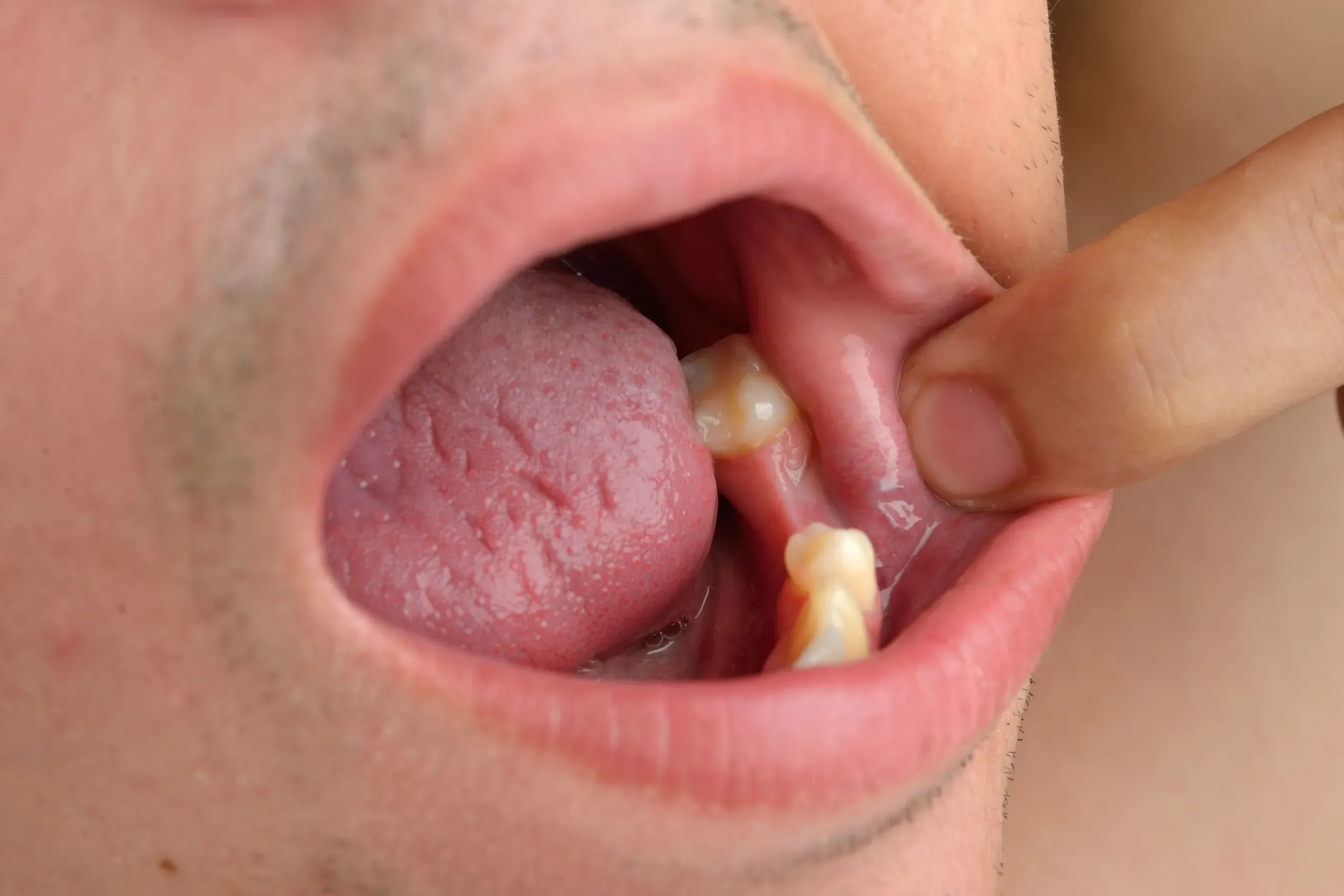
Deep cavities that reach the pulp can lead to abscess, fracture and eventual loss when not treated early.
Conditions We Treat
Implants, Bridges and Dentures to Restore Your Smile
Recognizing the Signs
Missing teeth in East Ellijay, GA refer to any gap in the dental arch caused by the loss of one or more natural teeth, whether from decay, gum disease, injury or congenital absence. Tooth loss affects more than just appearance: it changes how you chew, speak and how the underlying jawbone maintains its shape. At East Ellijay Family & Cosmetic Dentistry, our doctors, partners Dr. David L. Settel, DMD, FAGD and Dr. Cynthia P. Hall Sosebee, DMD, with Dr. Michael Dillard, DMD, care for patients across East Ellijay, Ellijay, Blue Ridge and Jasper, GA with a full range of replacement options.
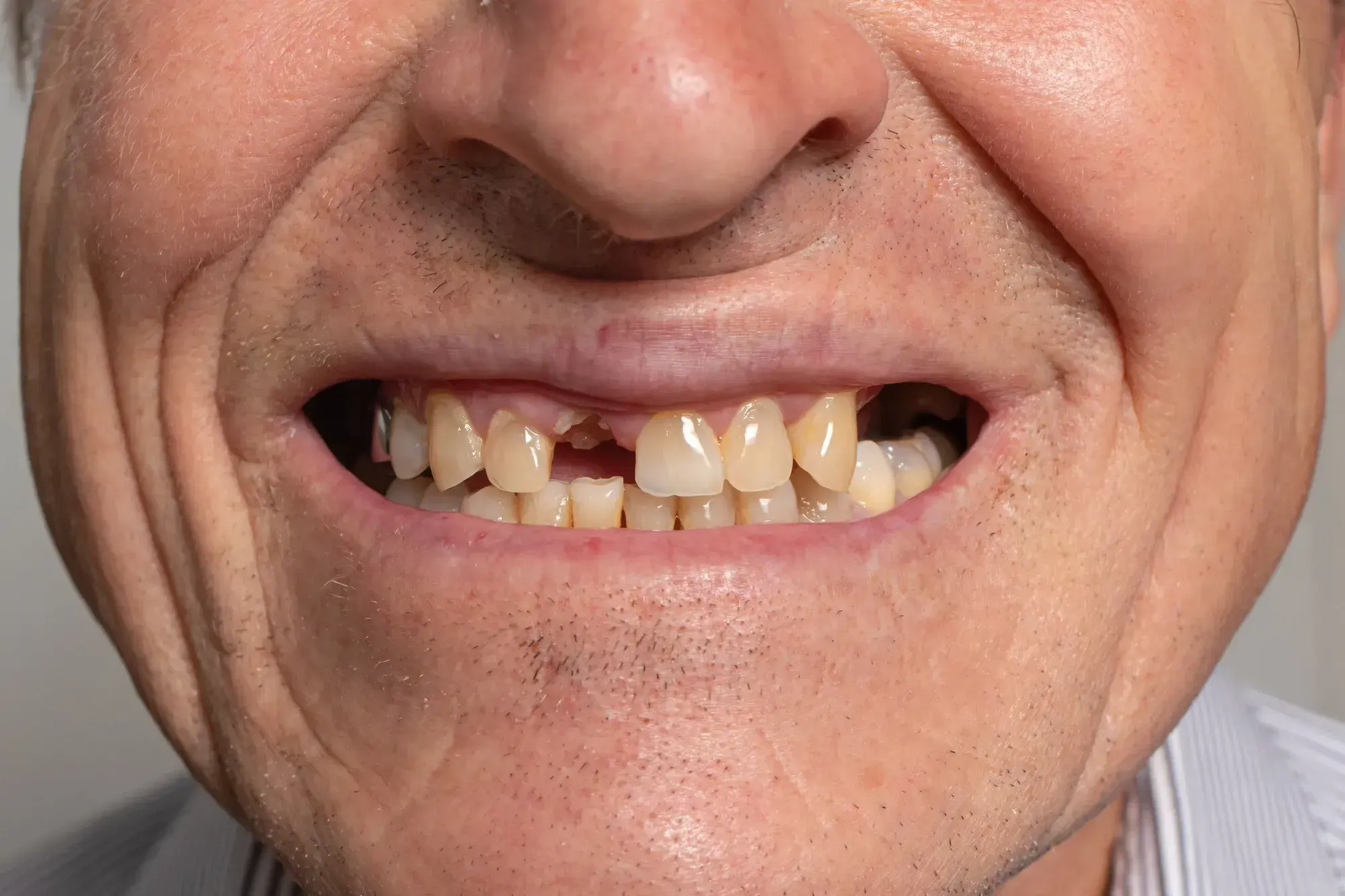
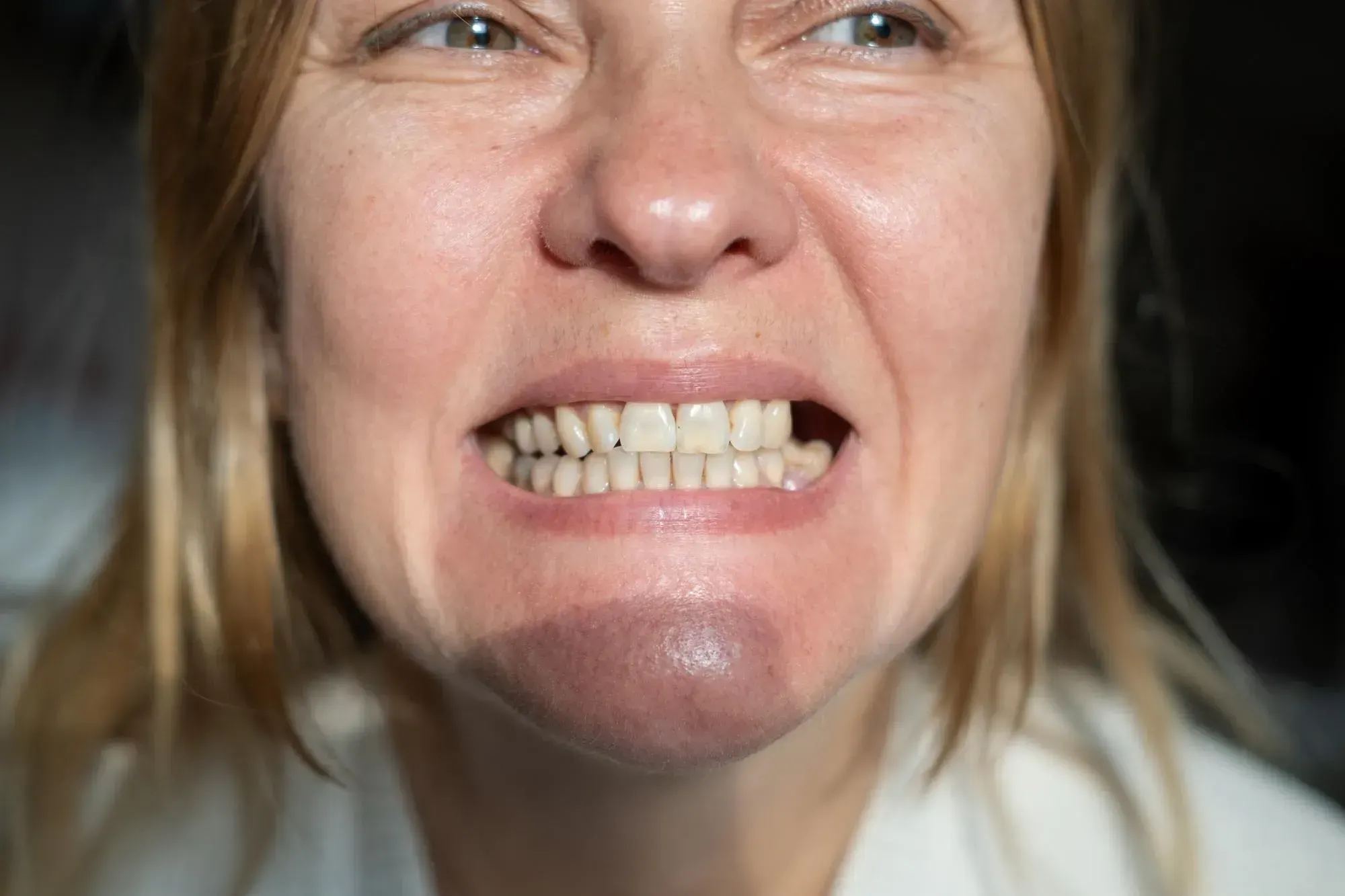
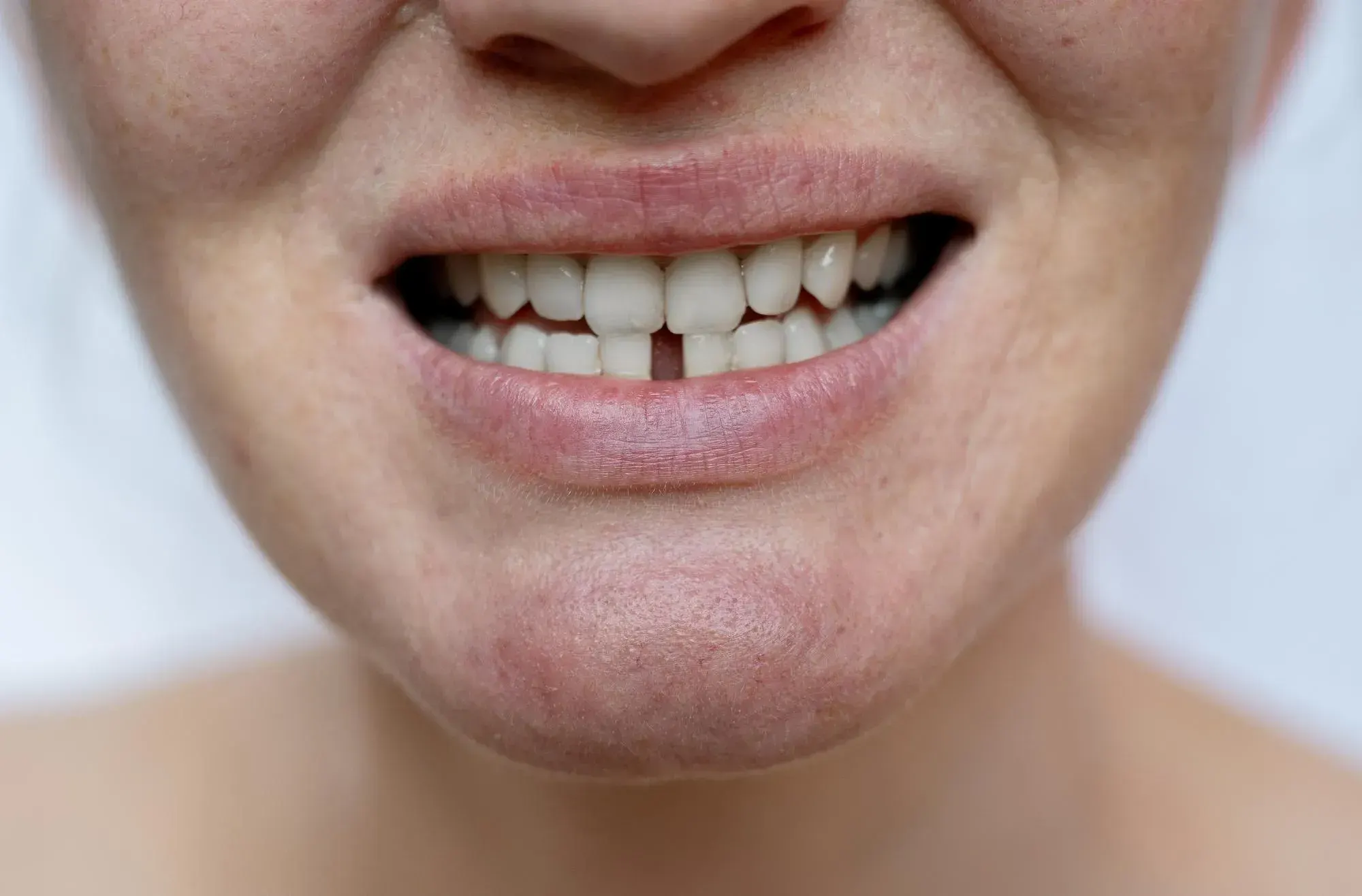
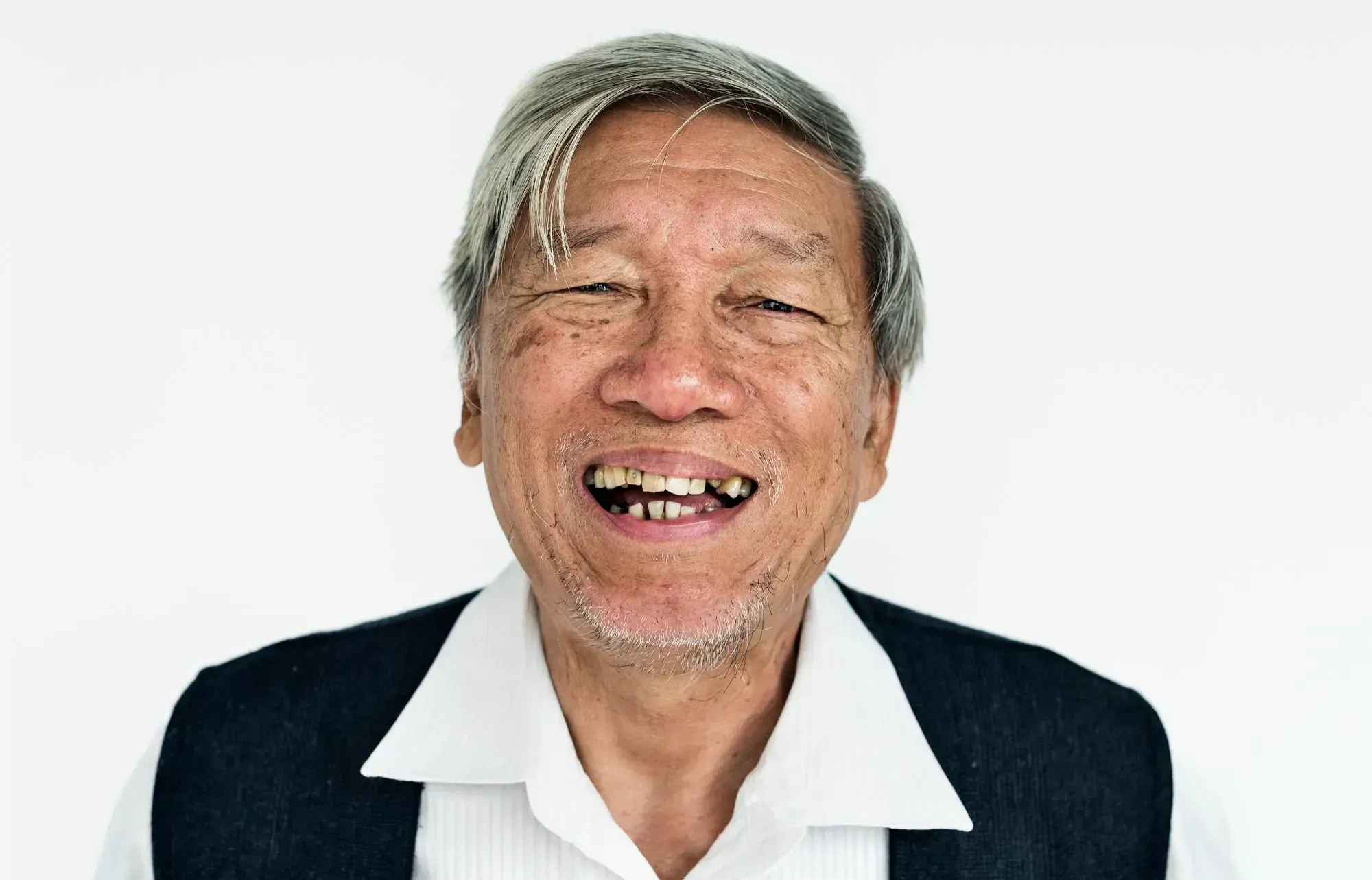
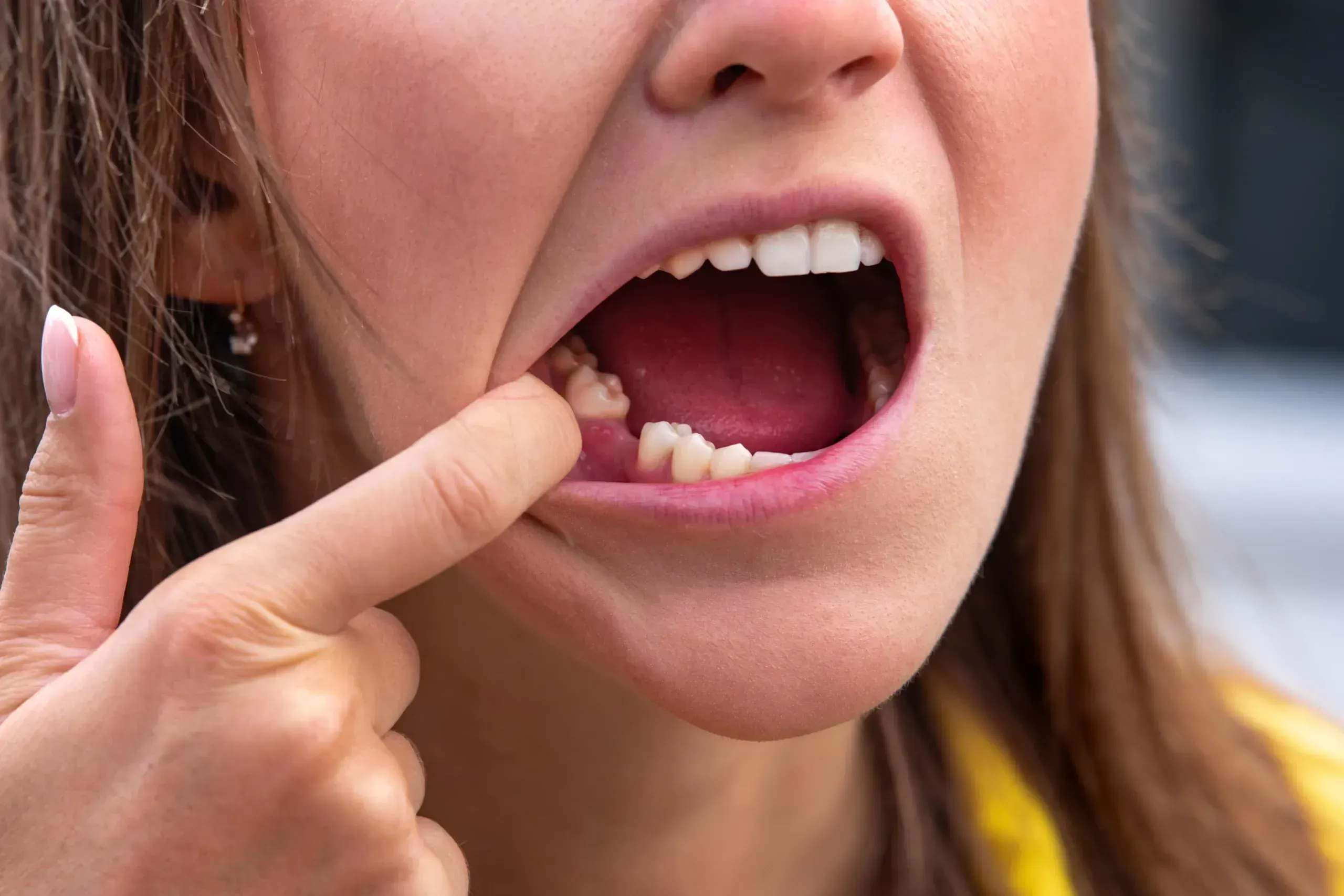
When you look in the mirror and see a gap where a tooth used to be, or feel your tongue settle into an empty space along your bite, you are noticing the most visible sign of tooth loss. Some patients lose teeth one at a time over many years, while others face the loss of an entire arch through advanced periodontal disease or trauma.
Many patients describe the experience as a quiet but constant frustration: avoiding certain foods, covering their smile in photos, or feeling self-conscious during conversations. The good news is that modern dentistry offers durable, natural-looking solutions for every type of tooth loss.
Understanding the Root Causes
Adults in the United States are missing an average of 7 permanent teeth by age 50, according to public health data summarized by the American Dental Association. The leading drivers are untreated decay and periodontal disease, both of which slowly destroy the supporting structures of the tooth long before extraction becomes necessary.
Once a tooth is removed or lost, the alveolar bone that held its root begins to resorb. Studies indexed by the National Library of Medicine show that up to 25 percent of bone width can be lost within the first year after extraction. This shrinkage changes facial contours, weakens neighboring teeth and complicates future replacement if it is not addressed promptly.
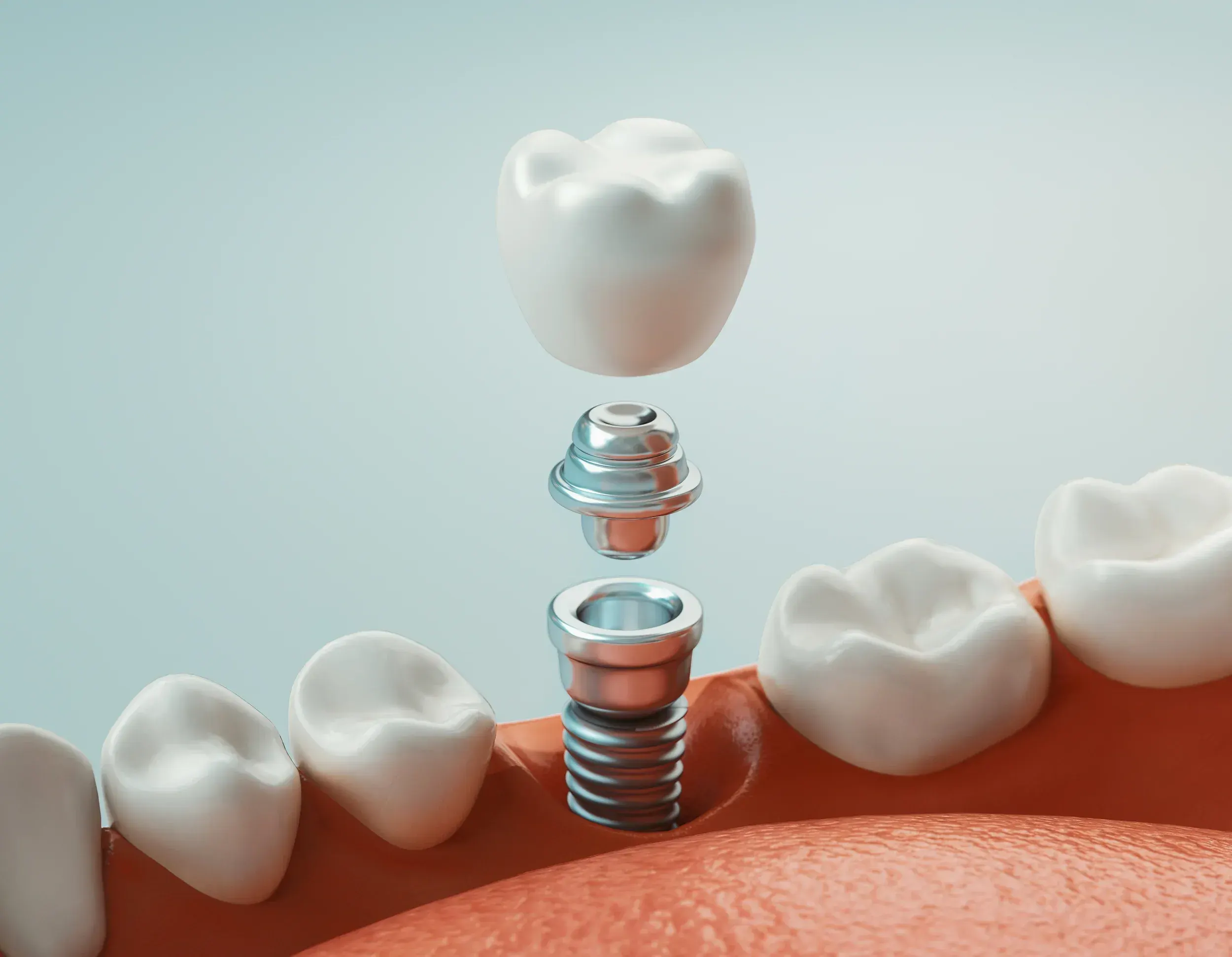
The American Academy of Implant Dentistry recommends evaluating replacement options soon after tooth loss to preserve bone, maintain bite alignment and protect long-term oral health. Treatments such as dental implants are designed to stimulate the jawbone the way a natural root would, helping prevent the cascade of changes that follows untreated tooth loss.
How One Missing Tooth Affects the Whole Mouth
The roots of your teeth do more than anchor them in place: they transmit chewing forces into the jaw, which stimulates the bone to remain dense and stable. When a tooth is removed, that stimulation stops, and the body begins to absorb the now unused bone. Over time this can change the height of the jaw, the support of the lips and the overall shape of the lower face.
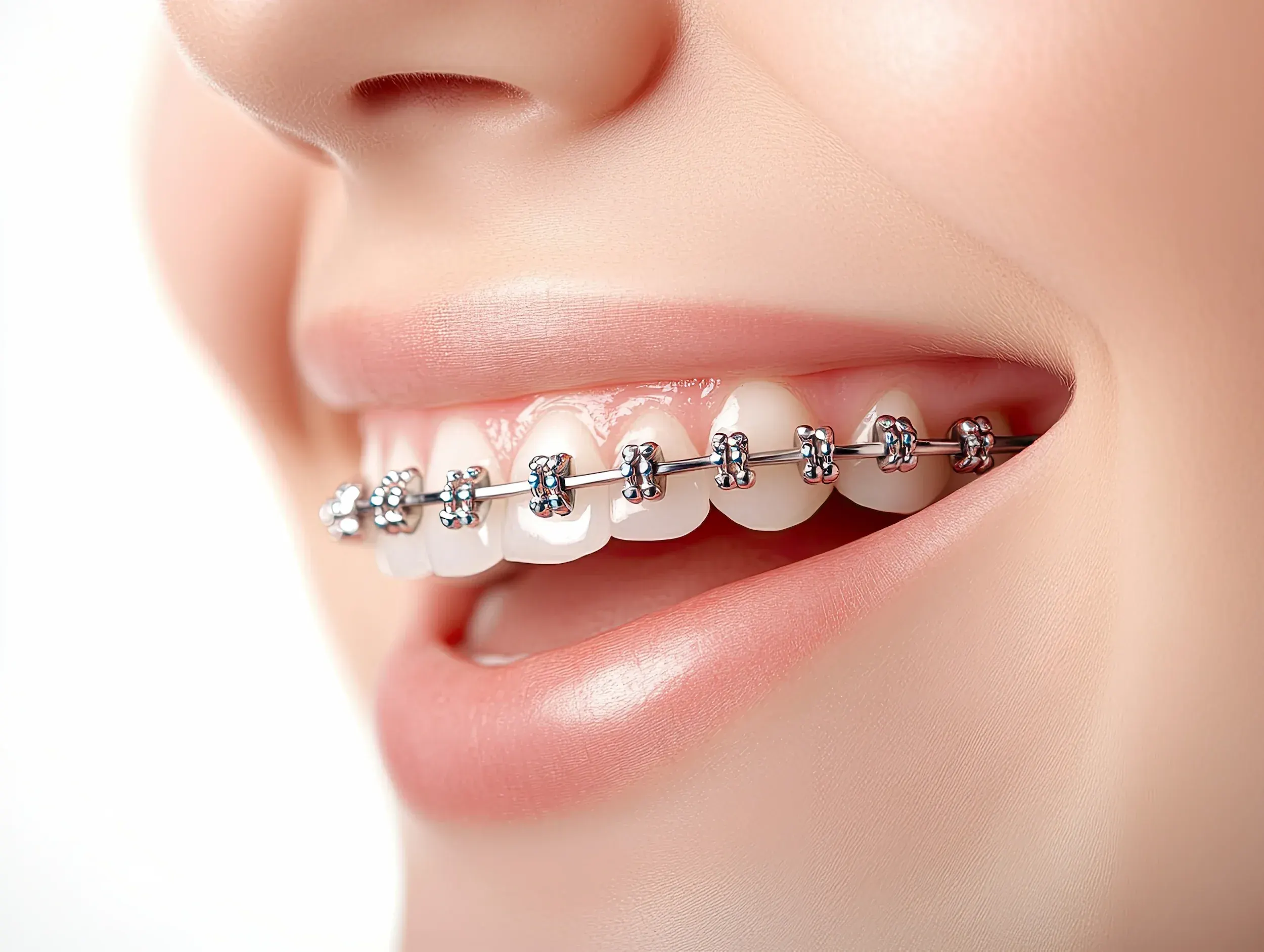
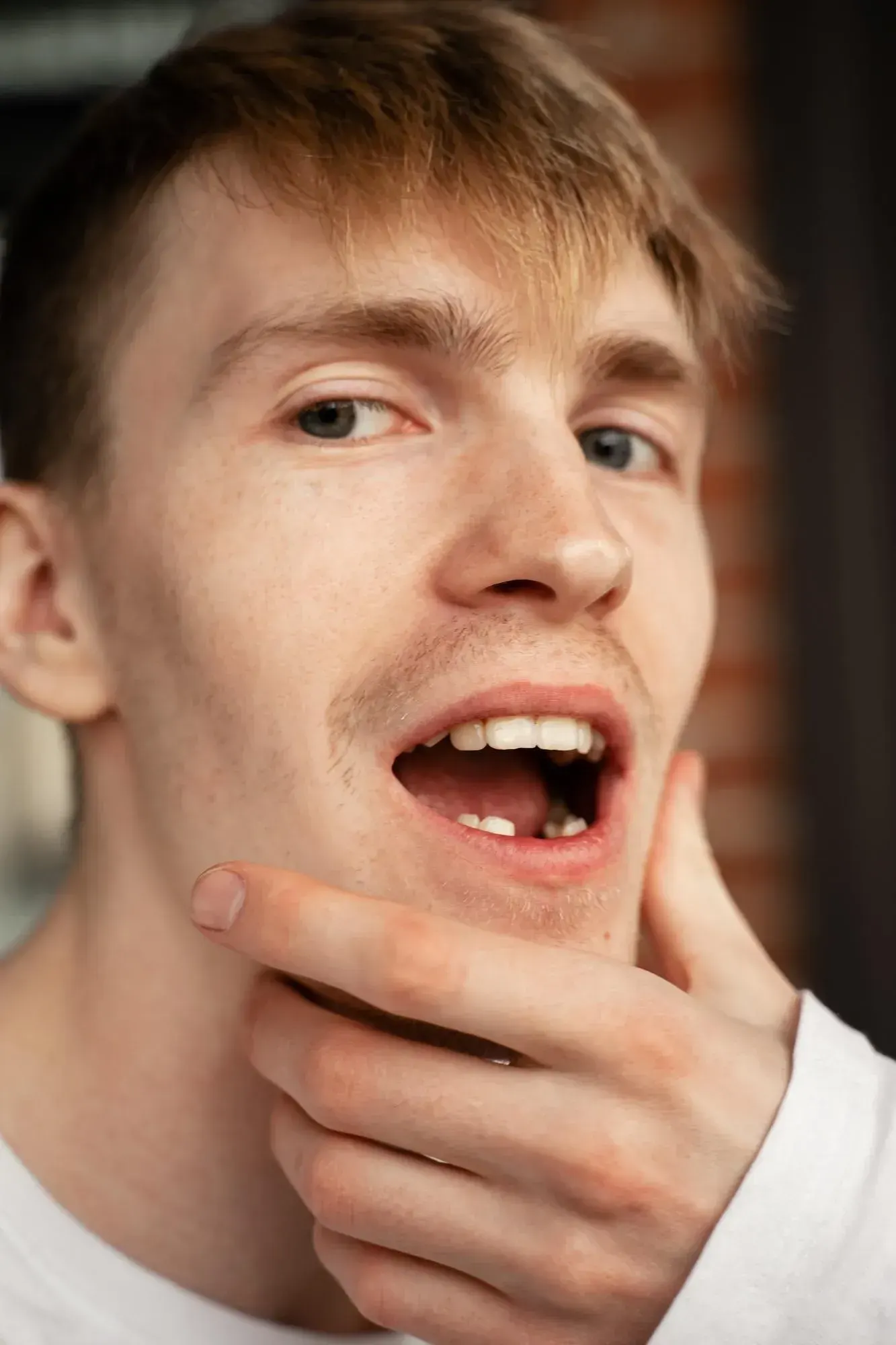
Neighboring teeth also respond to the gap. Without their partners on either side or above, they begin to tip, drift or super-erupt into the empty space. This shifting can throw off your bite, create new spaces that trap food and accelerate wear or fracture in teeth that were previously healthy. A timely dental bridge or implant can prevent this drift before it requires more extensive treatment.
Daily function is affected as well. Patients with multiple missing teeth often shift to softer foods, chew on one side, or struggle with certain sounds in speech. These adaptations seem minor at first but can lead to digestive issues, jaw strain and reduced confidence over time. Replacing missing teeth is not just cosmetic, it protects the long-term stability of the entire chewing system.
Expert Care in East Ellijay
Finding Your Best Approach
| Treatment | Best For | Session Time | Results Timeline | Maintenance |
|---|---|---|---|---|
| Dental Implants | Single or multiple missing teeth | 60-90 min per visit | 3-6 months | Routine cleanings |
| Dental Bridges | 1-3 teeth between healthy teeth | Two visits | 2-3 weeks | Daily flossing |
| Dentures and Partial Dentures | Full arch or several gaps | Multiple fittings | 4-8 weeks | Daily cleaning |
| Tooth Extractions | Preparing for replacement | 30-60 min | Same day | Healing follow up |
Recognizing When to Seek Help
Explore the tooth replacement and supporting treatments we offer.
About Missing Teeth
For most healthy adults, a dental implant is considered the gold standard because it replaces both the root and crown and helps preserve the jawbone. A bridge or partial denture may be a better fit when bone volume, medical history or budget call for a different approach. We review all options during your consultation.
Cost depends on the option you choose, the number of teeth involved and whether any preparatory work is needed. We are in network with Delta Dental and offer financing through CareCredit and Cherry so most patients can find a plan that fits their budget. We provide a clear written estimate before treatment begins.
Untreated tooth loss usually leads to bone loss in the jaw, drifting of neighboring teeth, bite imbalances and accelerated wear on remaining teeth. Many patients also notice changes in facial contours and confidence over time. Early replacement helps prevent these downstream changes.
With good oral hygiene and routine professional cleanings, dental implants are designed to last for decades and frequently last a lifetime. The crown on top of the implant may eventually need replacement, but the implant itself integrates with the bone and remains stable in most patients.
Many patients with long standing tooth loss are still good implant candidates, even after some bone resorption. In cases where bone volume is limited, we discuss options such as smaller implants or referral for bone grafting. A 3D scan helps us plan accurately.
Yes. Modern implants, bridges and dentures are designed to match the shape, shade and translucency of your natural teeth. We use digital scanning and high quality materials so the final result blends with your smile and feels comfortable when you chew and speak.