Airway Obstruction During Sleep
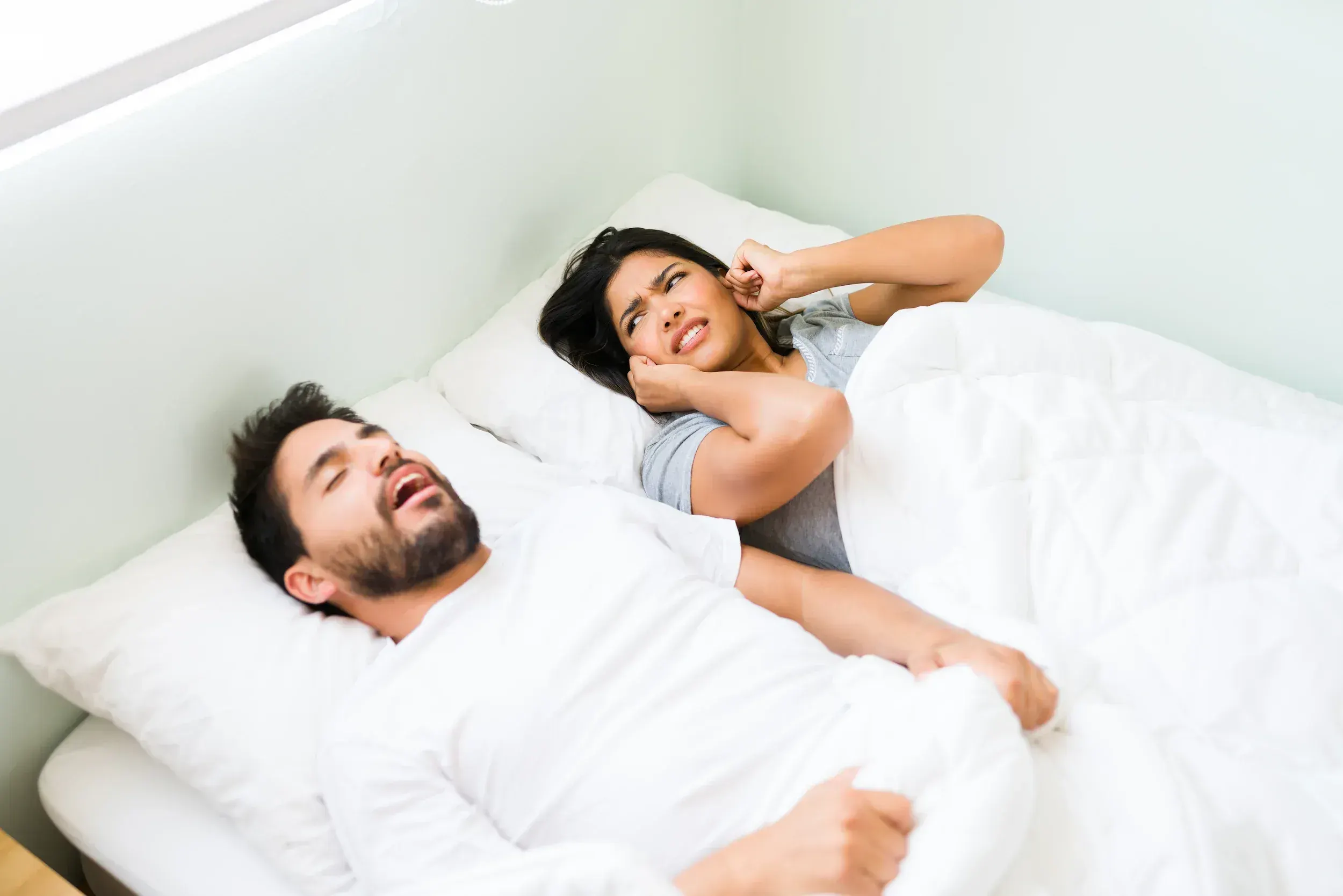
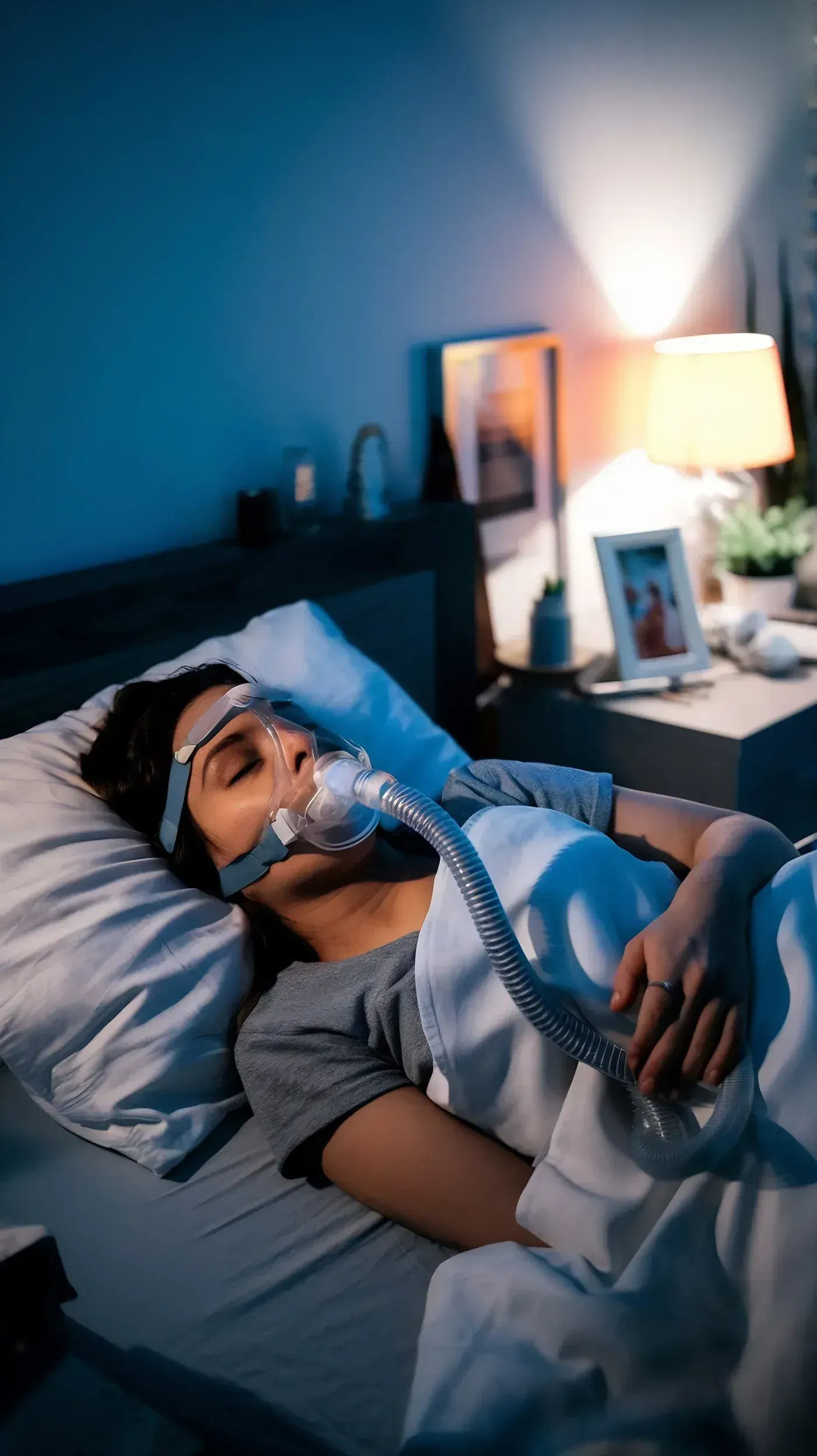
Relaxed throat muscles let the airway narrow or collapse, briefly cutting off airflow and disrupting normal breathing patterns.

Conditions We Treat
Sleep Quieter, Wake Refreshed
Recognizing the Signs
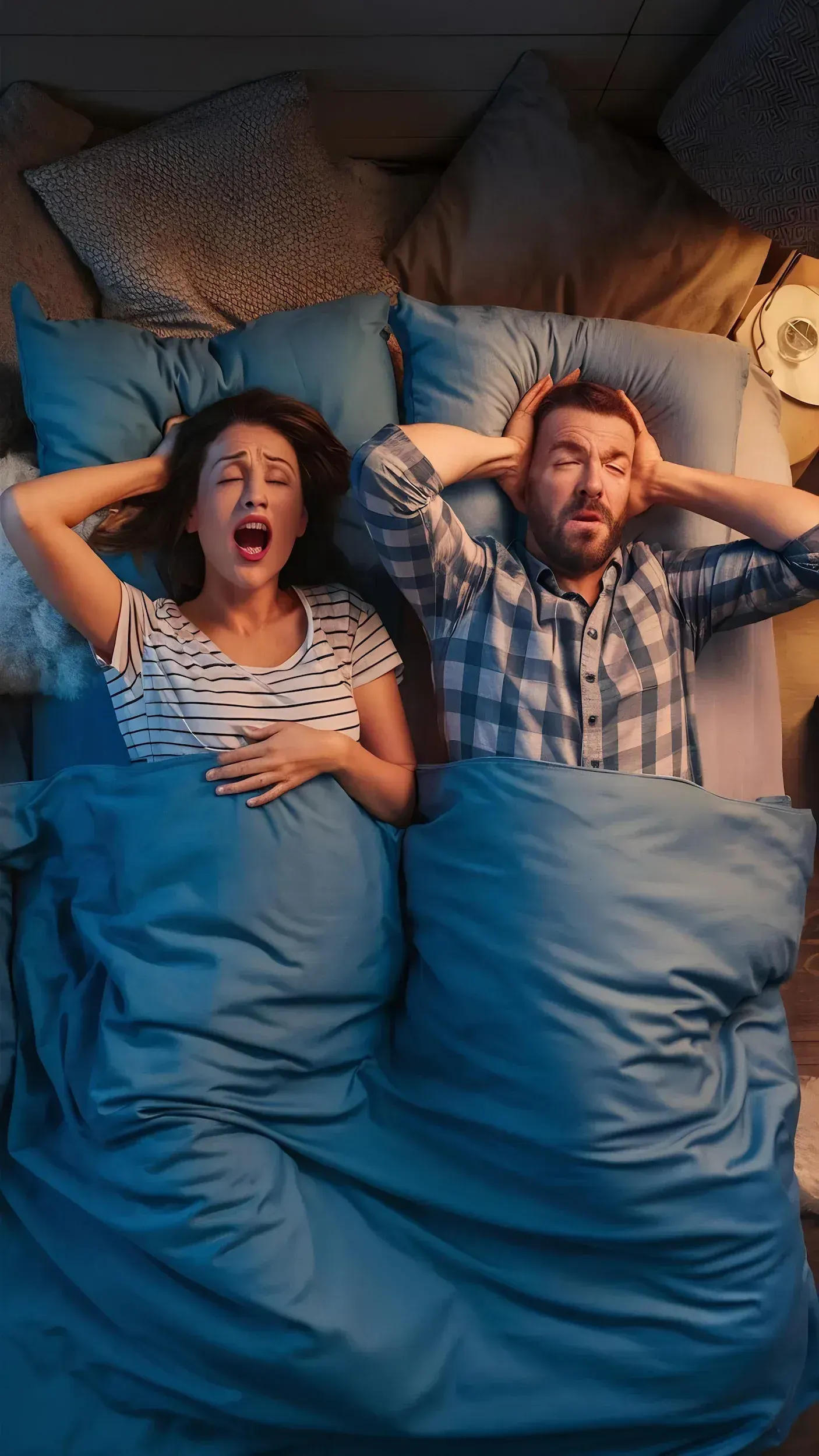
Sleep apnea and snoring in East Ellijay, GA affect thousands of adults who wake up tired, foggy, or short of breath. Obstructive sleep apnea is a sleep-related breathing disorder in which the airway repeatedly narrows or collapses during sleep, briefly stopping airflow and disrupting normal sleep cycles. Snoring is the audible sign of that airway turbulence and is often the first symptom a bed partner notices.
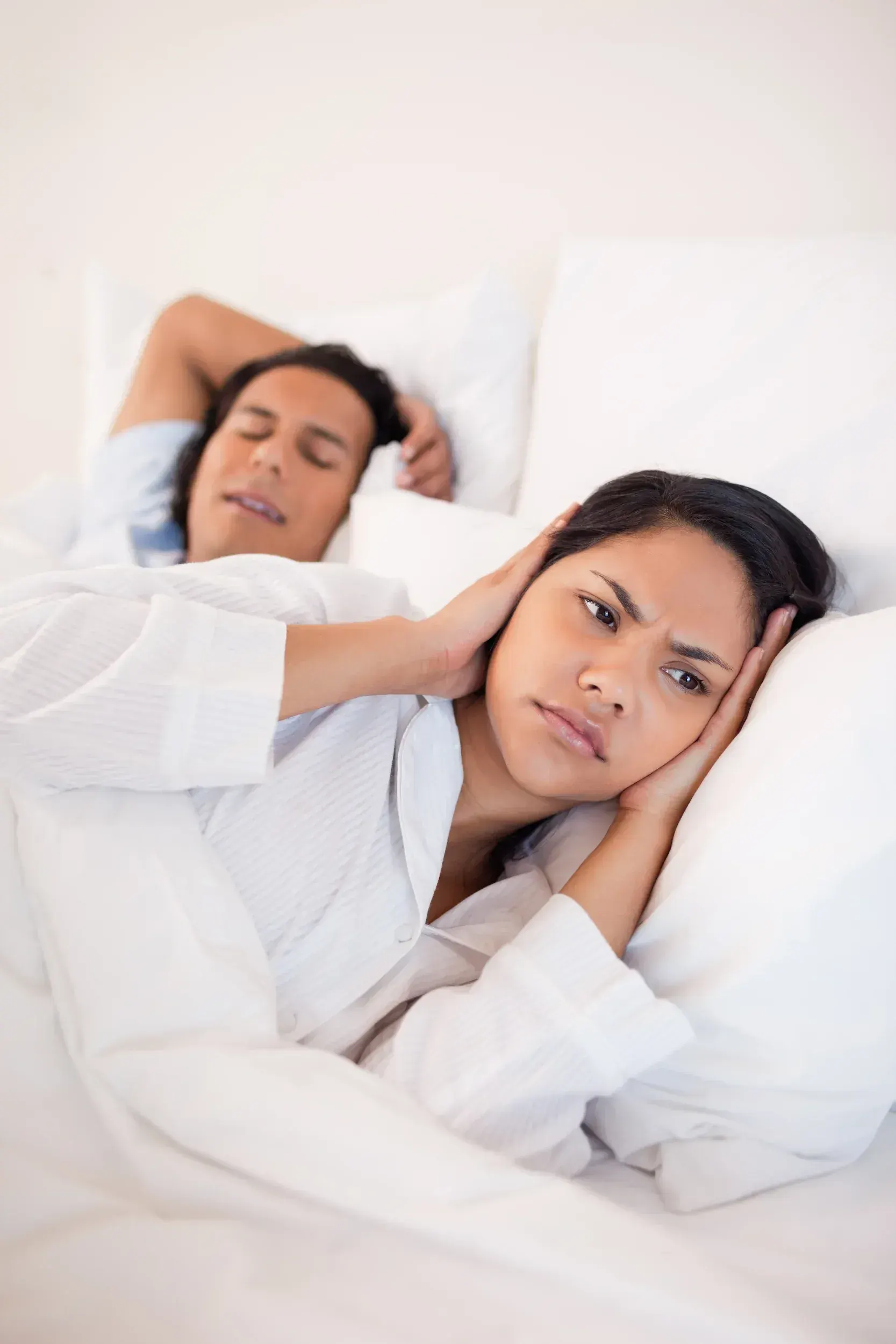
When you wake gasping, feel exhausted after a full night in bed, or your partner reports loud snoring and pauses in breathing, you are seeing the everyday signs of this condition. Many patients describe feeling like they never reach deep, restorative sleep no matter how early they go to bed.
At East Ellijay Family and Cosmetic Dentistry, we serve patients across East Ellijay, Ellijay, Blue Ridge, and Jasper, GA who want a comfortable, dentist-supervised path to quieter nights and better daytime energy.
Understanding the Root Causes
During sleep, the muscles of the tongue, soft palate, and throat relax. In healthy sleep, the airway stays open and air flows quietly. In obstructive sleep apnea, these soft tissues collapse inward, narrowing the airway. According to the National Heart, Lung, and Blood Institute, this can cause breathing pauses lasting 10 seconds or longer, repeated dozens of times per hour.
Each obstruction triggers a brief micro-arousal so you can resume breathing. You may not remember waking, but your sleep architecture fragments, and oxygen levels dip. Over time, this pattern contributes to morning headaches, high blood pressure, and chronic fatigue.
Snoring is the vibration of relaxed tissues against the narrowed airway. Not everyone who snores has sleep apnea, but loud, habitual snoring is one of the most reliable early indicators. A dental evaluation, paired with a physician-ordered sleep study, helps confirm whether a custom sleep apnea appliance may help.
The Oral Airway and Nighttime Breathing
Your dentist sees the upper airway every visit. The shape of the jaw, the position of the tongue, the size of the tonsils, and signs of nighttime clenching all offer clues about how well you breathe at night. A small or recessed lower jaw, a crowded oral cavity, or a scalloped tongue can suggest a higher risk for airway collapse during sleep.
Worn tooth surfaces, fractured cusps, and tight jaw muscles are often linked to overlapping conditions like teeth grinding and bruxism and jaw pain and TMJ. Many patients who grind their teeth at night also have disordered breathing, because grinding can be the body's attempt to reopen a collapsing airway.
Dental sleep medicine, recognized by the American Dental Association, focuses on using custom oral appliances to gently reposition the lower jaw and tongue forward during sleep, keeping the airway open.
Expert Dental Sleep Care in East Ellijay
Finding Your Best Approach
| Treatment | Best For | Session Time | Results Timeline | Maintenance |
|---|---|---|---|---|
| Comprehensive Dental Exams | Pre-treatment airway and bite evaluation | 45-60 min | Same visit | Every 6 months |
| Sleep Apnea Appliances | Mild to moderate obstructive sleep apnea | 2-3 visits | 2-6 weeks | Annual checks |
| Night Guards | Bruxism and bite protection support | 2 visits | 1-2 weeks | Replace 3-5 years |
Recognizing When to Seek Help
Explore dental treatments that support better sleep and a healthier bite.
About Sleep Apnea and Snoring
Dentists with training in dental sleep medicine can treat obstructive sleep apnea with custom oral appliances after a physician confirms the diagnosis through a sleep study. We coordinate with your medical provider so therapy is safe and clinically appropriate.
A dental sleep apnea appliance is a custom, lab-made mouthpiece worn during sleep. It gently positions the lower jaw slightly forward, which helps keep the airway open, reduces snoring, and often improves mild to moderate obstructive sleep apnea.
CPAP uses a mask and pressurized air to hold the airway open. An oral appliance is a small, custom mouthpiece that mechanically supports the airway. Many patients find appliances easier to travel with and more comfortable for long-term nightly use.
Yes. A physician-ordered home or in-lab sleep study is required to diagnose sleep apnea and document its severity. That diagnosis tells us whether oral appliance therapy is medically appropriate for your situation.
Yes, many patients with sleep-disordered breathing also clench or grind at night, which can damage teeth and strain the jaw. Recognizing both conditions together allows us to protect your bite and support healthier sleep at the same time.
Many patients notice quieter sleep and less morning grogginess within the first few weeks of consistent appliance use. A follow-up sleep study confirms how well the appliance is controlling apnea events over time.